
Carpet extraction sounds simple enough and most people think a quick vacuum is all you need for clean floors. But did you know that carpets can hold up to 4 times their weight in dirt and allergens, even after vacuuming? The truth is, carpet extraction is not just a deep clean but the only way to pull out hidden nasties that threaten your health and ruin your carpet long before it looks dirty.
Table of Contents
- Understanding Carpet Extraction Methods
- Benefits of Carpet Extraction for Your Space
- When to Use Carpet Extraction and Who Needs It
- Tips for Effective Carpet Extraction at Home or Work
Quick Summary
| Takeaway | Explanation |
|---|---|
| Carpet extraction enhances air quality. | This method removes allergens and pollutants that traditional vacuuming misses, making indoor environments healthier. |
| Regular extraction extends carpet life. | Thorough cleaning prevents dirt accumulation, preserving carpet integrity and delaying the need for replacements. |
| Professional techniques suit various settings. | Different environments like homes, offices, and industrial sites require tailored extraction methods for optimal results. |
| Preparation is crucial before cleaning. | Remove furniture and vacuum thoroughly to ensure effective extraction and avoid equipment malfunctions. |
| Post-extraction care prevents damage. | Allow carpets to dry adequately to prevent mold and maintain cleanliness after the extraction process. |
Understanding Carpet Extraction Methods
Carpet extraction is a sophisticated deep cleaning technique that goes beyond surface-level cleaning, targeting embedded dirt, allergens, and contaminants within carpet fibres. Our guide on professional cleaning methods reveals the complexity and importance of this thorough cleaning approach.
The Science Behind Carpet Extraction
Carpet extraction works through a precise combination of water pressure, temperature, and specialised cleaning solutions. According to the National Institute for Occupational Safety and Health, this method uses hot water or steam under pressure to penetrate deep into carpet fibres, effectively removing soil and pollutants that traditional vacuuming cannot reach.
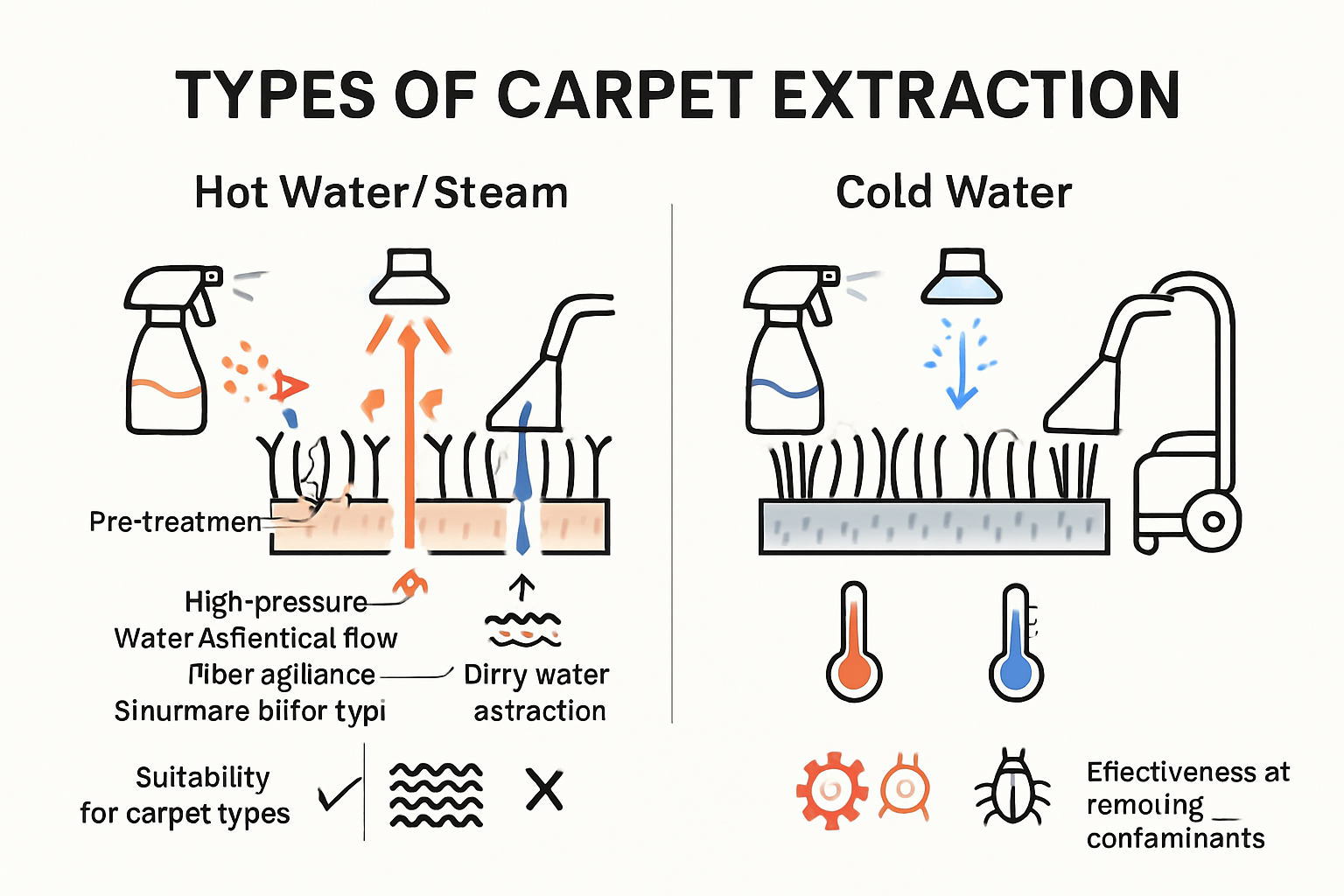
The process involves multiple critical steps. First, a pre-treatment solution is applied to break down stubborn dirt and stains. Then, hot water is injected into the carpet at high pressure, simultaneously agitating the fibres and extracting the dissolved contaminants. Powerful vacuum systems immediately suction the dirty water, ensuring maximum soil removal and minimal moisture retention.
Types of Carpet Extraction Techniques
To help you compare the main types of carpet extraction methods discussed, here’s a summary outlining their ideal uses and key features:
| Extraction Method | Temperature Range | Best For | Key Benefits |
|---|---|---|---|
| Hot Water Extraction | 50-96°C | Most carpets, deep soiling, bacteria | Deep clean, removes bacteria & dust mites |
| Cold Water Extraction | Room temperature | Delicate/heat-sensitive carpets | Gentle clean, safe for delicate materials |
Professional carpet cleaners typically employ two primary extraction methods. Hot water extraction, often called steam cleaning, uses water temperatures between 50-96 degrees Celsius to dissolve and remove dirt effectively. This method is particularly effective for eliminating bacteria, dust mites, and deep-seated grime.
Cold water extraction is another technique suitable for delicate fabrics or heat-sensitive carpets. While slightly less aggressive than hot water extraction, it still provides comprehensive cleaning by using specialised chemical solutions to break down dirt before extraction.
Each technique requires specific equipment and expertise. Professional technicians carefully adjust water temperature, pressure, and cleaning solutions based on carpet type, fabric composition, and specific soiling conditions. This tailored approach ensures optimal cleaning results while protecting the carpet’s integrity and extending its lifespan.
Benefits of Carpet Extraction for Your Space
Carpet extraction offers transformative benefits that extend far beyond simple surface cleaning, providing comprehensive care for your indoor environments. Expert cleaning solutions for commercial and residential spaces demonstrate the profound impact of professional carpet maintenance.
Health and Air Quality Improvements
One of the most significant advantages of carpet extraction is its ability to dramatically improve indoor air quality. According to Professional Services Journal, extraction methods reach deep into carpet fibres, removing allergens, dust mites, bacteria, and microscopic pollutants that traditional vacuuming cannot eliminate. These contaminants can trigger respiratory issues, allergies, and potential health complications when left untreated.
The thorough cleaning process helps reduce airborne particles, creating a healthier living and working environment. Professional extraction techniques remove up to 99% of trapped pollutants, making it an essential strategy for maintaining hygienic spaces, particularly for individuals with respiratory sensitivities or compromised immune systems.
Carpet Longevity and Appearance Restoration
Regular carpet extraction significantly extends the lifespan of your carpets by preventing permanent damage from accumulated dirt and grime. Spaces4Learning Magazine highlights that low-moisture extractors use minimal water while effectively removing embedded contaminants, which helps protect carpet fibres from degradation.
The extraction process restores carpet appearance by removing deep-seated stains, discolouration, and accumulated dirt. Professional techniques revitalise carpet textures, bringing back the original vibrancy and softness. This restoration not only enhances aesthetic appeal but also protects your investment by preventing premature carpet replacement.
Economic and Environmental Benefits
Beyond immediate cleaning advantages, carpet extraction offers substantial long-term economic benefits. By maintaining carpet integrity and preventing rapid deterioration, property owners can significantly reduce replacement costs. The thorough cleaning process removes soil that can cause abrasive damage to carpet fibres, which ultimately extends the carpet’s functional life.
Moreover, modern extraction techniques prioritise environmental sustainability. Advanced methods use eco-friendly cleaning solutions and minimise water consumption, reducing chemical waste and environmental impact. Professional carpet extractors calibrate their equipment to use precise amounts of water and cleaning agents, ensuring efficient and responsible cleaning practices.
By investing in professional carpet extraction, you’re not just cleaning your space – you’re creating a healthier, more sustainable environment that looks and feels refreshed.
When to Use Carpet Extraction and Who Needs It
Carpet extraction is not a one-size-fits-all solution but a targeted cleaning approach designed for specific environments and scenarios. Expert cleaning methods for various settings highlight the importance of understanding when and where this advanced technique is most beneficial.
High-Traffic Commercial and Residential Spaces
Certain environments demand more rigorous carpet maintenance due to constant foot traffic and potential contaminant exposure. Commercial spaces like offices, hotels, hospitals, schools, and retail establishments are prime candidates for regular carpet extraction. According to International Sanitary Supply Association, these environments accumulate dirt, allergens, and bacteria at significantly higher rates compared to residential settings.
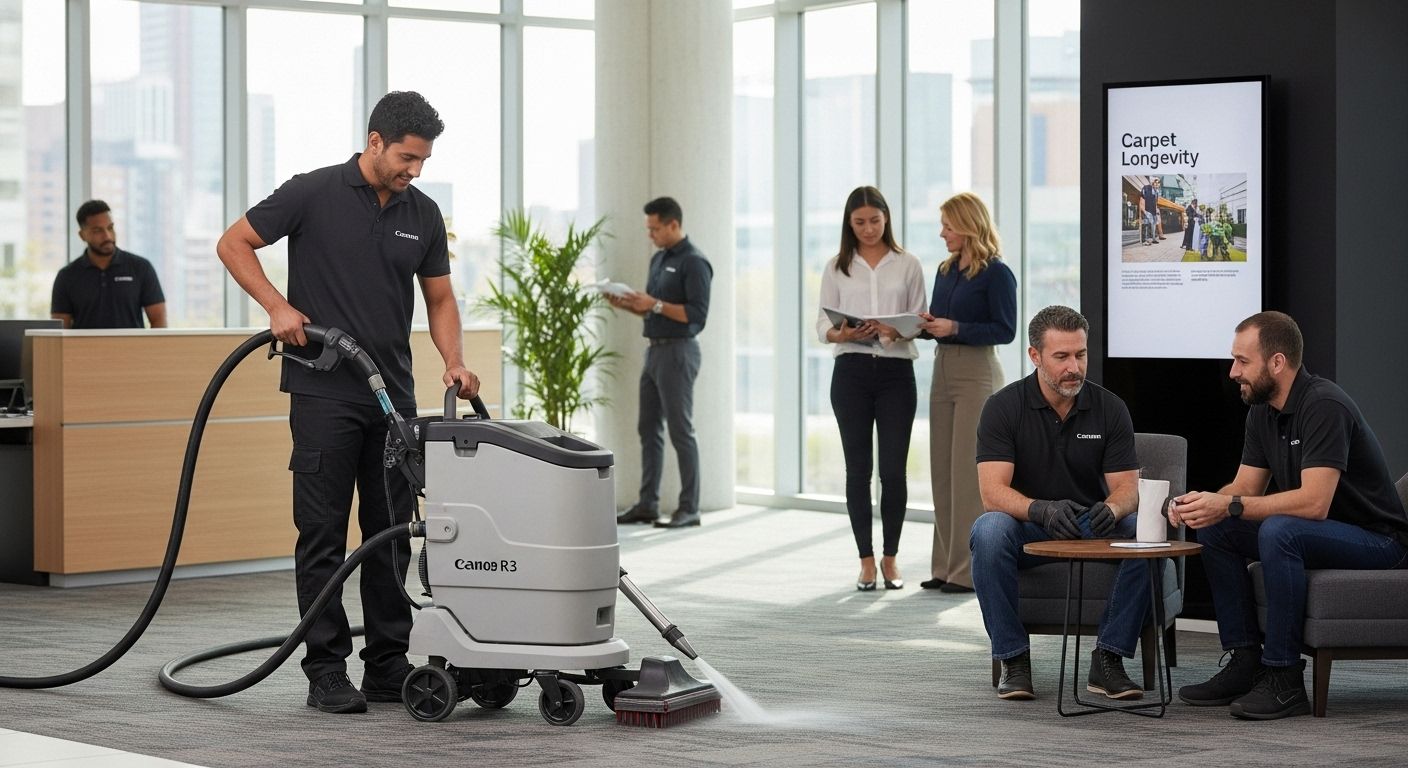
In office environments, carpets endure continuous wear from employee and visitor foot traffic. Conference rooms, reception areas, and shared workspaces can quickly become breeding grounds for dust, microorganisms, and stains. Regular extraction prevents permanent damage, maintains professional appearance, and supports a healthier workplace environment.
Homes with Specific Cleaning Challenges
Here is a checklist highlighting common scenarios where carpet extraction is recommended, based on household or environmental challenges:
| Scenario | Extraction Recommended? | Notes |
|---|---|---|
| Post-renovation cleaning | Yes | Removes construction dust and residues |
| Seasonal deep cleaning | Yes | Ideal before winter or during spring cleaning |
| Households with pets | Yes | Removes dander, hair, and pet accidents |
| Homes near construction sites | Yes | Deals with increased dust and external pollutants |
| Allergy-prone environments | Yes | Removes microscopic triggers and allergens |
Residential spaces also benefit tremendously from strategic carpet extraction. Families with children, pets, allergy sufferers, or those living in areas with high dust or pollution levels should consider professional extraction more frequently. Indoor Air Quality Research indicates that carpets can trap up to 4 times their weight in dirt, dust, and potential allergens over time.
Specific household scenarios that warrant carpet extraction include:
- Post-renovation cleaning: After home improvements or construction work
- Seasonal deep cleaning: Particularly before winter or during spring cleaning
- Households with pets: Managing pet dander, hair, and occasional accidents
- Homes near construction sites: Dealing with increased dust and external pollutants
- Allergy-prone environments: Removing microscopic triggers that traditional vacuuming misses
Industrial and Specialised Settings
Beyond traditional spaces, carpet extraction becomes crucial in specialised environments requiring stringent cleanliness standards. Manufacturing facilities, laboratories, healthcare institutions, and food processing areas demand meticulous carpet maintenance to meet hygiene regulations and prevent potential contamination.
Industrial settings often require extraction techniques that can handle heavy-duty soiling, chemical residues, and unique contaminants. Professional technicians adjust extraction methods to suit specific industrial requirements, using specialised solutions and equipment designed for extreme cleaning challenges.
The frequency of carpet extraction depends on multiple factors: foot traffic, environmental conditions, specific usage patterns, and individual cleaning needs. While some spaces might require monthly extraction, others could benefit from quarterly or semi-annual professional cleaning. Consulting with carpet cleaning professionals helps determine the most appropriate extraction schedule for your specific environment.
Tips for Effective Carpet Extraction at Home or Work
Carpet extraction requires precision, knowledge, and the right approach to achieve optimal cleaning results. Deep cleaning strategies for residential and commercial spaces provide essential insights into maintaining pristine carpets.
Preparation and Pre-Treatment Techniques
Successful carpet extraction begins long before the actual cleaning process. According to Weber State University’s Facilities Management Guidelines, thorough preparation is crucial for effective cleaning. Start by removing all furniture and thoroughly vacuuming the carpet to eliminate loose dirt and prevent potential equipment clogs during extraction.
Pre-treatment is a critical step that many people overlook. Apply a specialised pre-spray solution to break down stubborn dirt and stains before extraction. The Carpet and Rug Institute recommends using certified cleaning products that are specifically designed to treat different types of carpet fibers and stains. When dealing with specific stains, blot immediately with a clean white cloth rather than scrubbing, which can damage carpet fibers and spread the stain.
Equipment and Technique Mastery
Choosing the right equipment is paramount for successful carpet extraction. Professional-grade extractors offer multiple settings to accommodate different carpet types and soiling levels. Adjust water temperature, pressure, and cleaning solution concentration based on your specific carpet material. For delicate fabrics, use lower temperatures and gentler pressure to prevent fiber damage.
Technique matters as much as equipment. Move the extractor slowly and systematically, ensuring complete coverage and thorough water extraction. Overlap your cleaning passes to prevent missed spots and maintain consistent cleaning. Pay extra attention to high-traffic areas and visible stains, making multiple passes if necessary. For best results, work in small sections and avoid oversaturating the carpet.
Post-Extraction Care and Maintenance
The extraction process doesn’t end with cleaning. Proper drying is crucial to prevent mold, mildew, and potential carpet damage. Use fans or open windows to facilitate air circulation and speed up the drying process. Most carpets require 6-10 hours of drying time, depending on humidity and ventilation.
After extraction, implement a regular maintenance routine to extend the life of your carpet. Our recommended stain removal guide suggests immediate spot treatment for spills and regular vacuuming to prevent dirt accumulation. Consider professional extraction every 12-18 months for residential spaces and more frequently for high-traffic commercial environments.
Remember that different carpet materials require unique care. Wool, synthetic, and natural fiber carpets each have specific extraction requirements. When in doubt, consult a professional carpet cleaning service to ensure you’re using the most appropriate techniques for your specific carpet type.
Frequently Asked Questions
What is carpet extraction and how does it work?
Carpet extraction is a deep cleaning technique that uses hot water and specialised cleaning solutions to remove embedded dirt, allergens, and pollutants from carpet fibres. It combines water pressure, temperature, and agitation to thoroughly clean carpets beyond what traditional vacuuming can achieve.
How often should I have my carpets extracted?
The frequency of carpet extraction depends on the level of foot traffic and environmental conditions. For residential spaces, it’s recommended every 12-18 months, while high-traffic commercial environments may need more frequent cleaning, such as monthly or quarterly, to maintain cleanliness and hygiene.
What are the benefits of carpet extraction compared to regular vacuuming?
Carpet extraction removes up to 99% of trapped allergens, dust mites, and contaminants that regular vacuuming misses, improving indoor air quality and reducing health risks. Additionally, it extends the lifespan of the carpet and restores its appearance by removing deep-seated stains and discolouration.
Can I perform carpet extraction at home, or should I hire a professional?
While it’s possible to rent extraction equipment for home use, hiring a professional is generally recommended for optimal results. Professionals have the expertise, knowledge, and equipment to ensure effective cleaning without damaging your carpets.
Transform Your Carpet with Expert Extraction Services in the Yarra Valley
Still worried about dirt, allergens or stubborn stains lurking deep in your carpet fibres? The article explained how simple vacuuming is not enough and how unnoticed contaminants affect indoor air quality and even your health. If you want the same deep-clean results described in our easy guide to carpet extraction, you do not have to struggle with ordinary home equipment or risk damage to your floors.
Turn to your local team at Yarra Valley Carpet Cleaning for premium extraction with eco-friendly products and cutting-edge equipment. We restore carpets in Lilydale, Chirnside Park, Croydon and across the region. Ready to breathe easier and enjoy a genuinely cleaner home or business? Book now through our main website or discover more home care tips in our Uncategorized Archives. Secure your cleaner, healthier space before lingering pollutants have a chance to settle in.
Recommended
- Deep Cleaning Carpets at Home: 2025 Guide for Yarra Valley – Yarra Valley Carpet Cleaning
- Carpet Cleaning Hotels: Expert Tips for Clean Spaces 2025 – Yarra Valley Carpet Cleaning
- Safest Carpet Cleaning Methods for Homes and Businesses 2025 – Yarra Valley Carpet Cleaning
- Carpet Care After Cleaning: Expert Tips for Long-Lasting Results – Yarra Valley Carpet Cleaning