
Cleaning your upholstery looks simple and most people think a quick vacuum is enough. But did you know that professional upholstery cleaning can double the lifespan of your furniture compared to just spot cleaning at home? The real shock is how easy it is to overlook the subtle build up of grime and allergens hiding in your couch every day.
Table of Contents
- Step 1: Assess Your Upholstery Cleaning Needs
- Step 2: Determine The Ideal Cleaning Frequency
- Step 3: Prepare Your Cleaning Supplies
- Step 4: Execute The Cleaning Process
- Step 5: Verify Cleanliness And Care For Upholstery
Quick Summary
| Key Point | Explanation |
|---|---|
| 1. Assess your upholstery cleaning needs | Evaluate fabric type, usage, and household factors to determine specific cleaning requirements. |
| 2. Determine ideal cleaning frequency | Regular cleaning intervals vary; most households benefit from professional cleaning every 12 to 24 months, depending on usage. |
| 3. Prepare appropriate cleaning supplies | Gather fabric-specific cleaning solutions and tools before starting to ensure effective and safe cleaning. |
| 4. Execute the cleaning process carefully | Follow a systematic approach, working in sections, to avoid damage while effectively removing dirt and stains. |
| 5. Verify cleanliness and maintain upholstery | Conduct a thorough inspection post-cleaning and implement regular maintenance to extend upholstery life and appearance. |
Step 1: Assess Your Upholstery Cleaning Needs
Starting your upholstery cleaning journey begins with a thorough assessment of your specific needs. Different fabrics, usage patterns, and household conditions will dramatically influence how frequently you should clean your furniture. In the Yarra Valley, where homes range from cosy cottages in Chirnside Park to modern spaces in Lilydale, understanding your unique upholstery requirements is crucial.
First, examine the fabric composition of your furniture. Delicate materials like silk or vintage upholstery demand more gentle and less frequent cleaning, while robust synthetic fabrics can withstand more rigorous maintenance. Take a close look at your furniture’s manufacturer tags or documentation, which often provide specific cleaning recommendations. These tags typically include symbols indicating washing instructions and fabric sensitivity.
Next, consider your household’s specific characteristics. Homes with children, pets, or high traffic areas in Croydon or Mount Evelyn will naturally accumulate more dirt and require more frequent cleaning. Factors like allergies, smokers in the household, or proximity to outdoor environments can also accelerate fabric soiling. Learn more about local upholstery challenges specific to Yarra Valley homes.
To effectively assess your needs, create a quick inventory of your upholstered items. Note the following details for each piece:
- Fabric type and colour
- Current condition and visible wear
- Frequency of use
- Exposure to potential staining agents
- Manufacturer’s recommended cleaning interval
By systematically evaluating these elements, you’ll develop a clear understanding of how often your specific upholstery requires professional cleaning. Remember, proactive assessment prevents long term damage and maintains your furniture’s aesthetic and functional quality.
Step 2: Determine the Ideal Cleaning Frequency
Determining the ideal upholstery cleaning frequency transforms your furniture maintenance from guesswork to a strategic approach. In the Yarra Valley, where homes range from busy family spaces in Chirnside Park to quieter residences in Lilydale, understanding your specific cleaning schedule is paramount. The goal is to protect your investment while maintaining a fresh, hygienic living environment.
General guidelines suggest that most households should professionally clean upholstery every 12 to 24 months. However, this timeline varies dramatically based on household dynamics. Homes with young children, multiple pets, or high traffic areas might require more frequent cleaning. For instance, a family living in a bustling Croydon home with active children and pets would benefit from professional cleaning every 6 to 12 months, compared to a single professional in Mount Evelyn who might only need annual service.
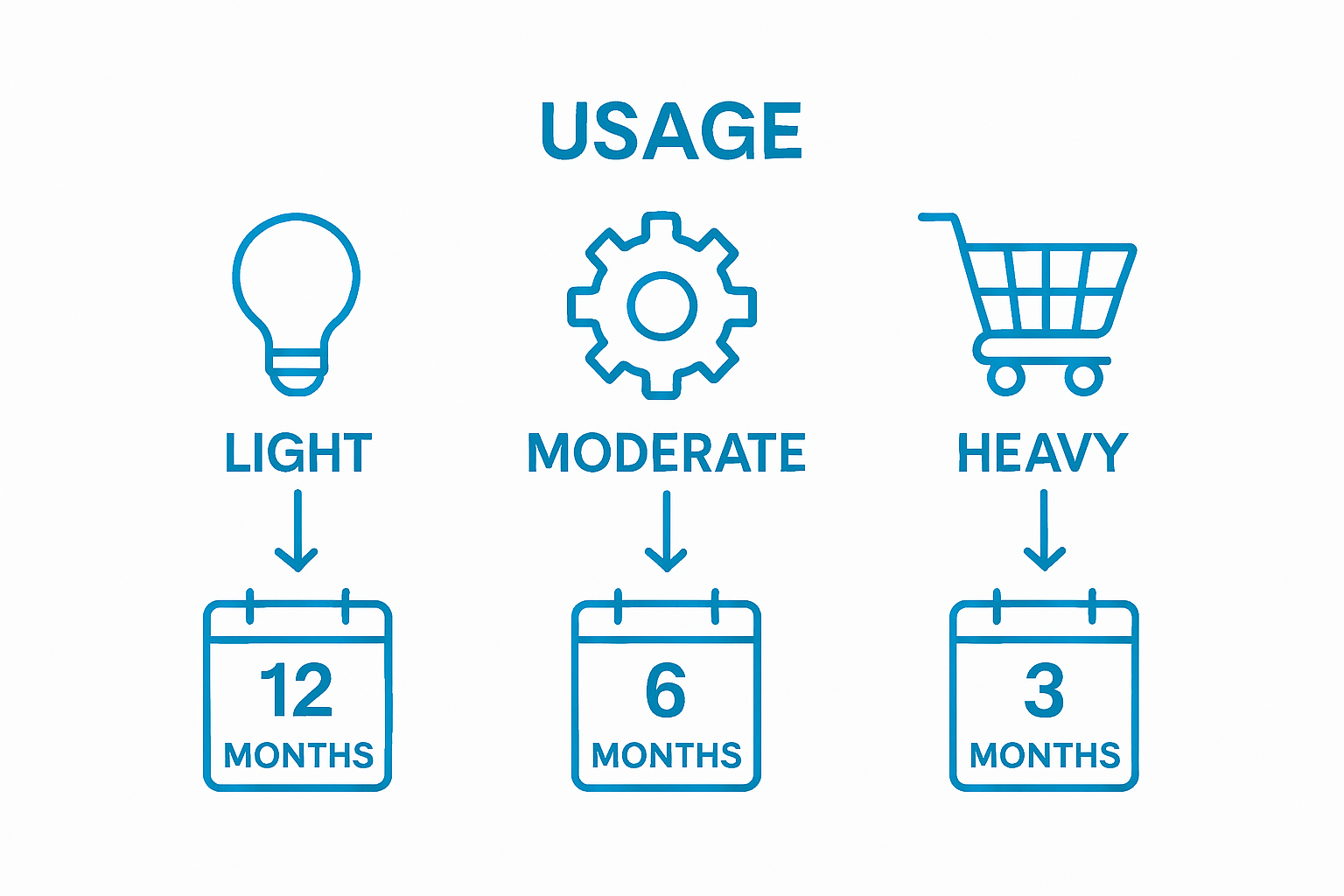
Explore our professional cleaning recommendations for more tailored advice. Consider creating a personalized cleaning schedule by evaluating these critical factors:
- Frequency of furniture use
- Number of household occupants
- Presence of children or pets
- Allergies or respiratory sensitivities
- Exposure to dust, outdoor elements, or potential staining agents
To verify your cleaning frequency, monitor your furniture’s appearance and performance. Signs indicating immediate cleaning are needed include visible stains, persistent odours, increased allergy symptoms, or a dull, flattened fabric appearance. Regular vacuuming between professional cleanings can extend the time between deep cleans and maintain your upholstery’s quality. Remember, proactive maintenance prevents permanent damage and preserves your furniture’s aesthetic and functional value.
Step 3: Prepare Your Cleaning Supplies
Preparing your upholstery cleaning supplies is a critical step that can make the difference between a successful cleaning and potential fabric damage. In the Yarra Valley, from Chirnside Park to Lilydale, homeowners need a strategic approach to gathering the right tools and products for their specific furniture needs. The key is selecting materials that match your fabric type and cleaning requirements.
Begin by carefully examining the manufacturer’s tags on your upholstered furniture. These tags provide essential information about fabric composition and recommended cleaning methods. Some fabrics require specialized solutions, while others can tolerate more general cleaning approaches. Gather microfiber cloths, a high-quality vacuum with upholstery attachments, and appropriate cleaning solutions based on your fabric’s specific requirements. Discover professional cleaning recommendations for comprehensive guidance.
Your essential cleaning kit should include the following items:
- White microfiber cloths (to prevent color transfer)
- Fabric-specific cleaning solution
- Soft-bristled brush
- Vacuum cleaner with upholstery attachment
- Spray bottle
- Clean, dry towels
Before beginning the cleaning process, test any cleaning solution on a hidden area of the furniture to ensure it won’t cause discoloration or damage. This precautionary step is crucial, especially for delicate fabrics or antique pieces. Professional cleaners in Croydon and Mount Evelyn recommend always working from the outside of a stain towards the center to prevent spreading. Having all supplies prepared and organized beforehand will streamline your cleaning process and help you achieve the best possible results for your upholstered furniture.
Here is a handy overview of essential upholstery cleaning supplies, showing each item’s purpose and recommended use based on the article’s advice.
| Item | Purpose | Fabric Considerations |
|---|---|---|
| White microfiber cloths | Removes dirt and prevents colour transfer | Safe for all fabrics |
| Fabric-specific solution | Cleans stains without damaging material | Must match manufacturer guidance |
| Soft-bristled brush | Gently agitates dirt and stains | Ideal for most fabrics |
| Vacuum with upholstery tool | Removes loose dust and debris from all surfaces | Universal for all fabrics |
| Spray bottle | Applies cleaning solution evenly | Suitable for all fabrics |
| Clean dry towels | Blots moisture and dries surface | All fabrics |
Step 4: Execute the Cleaning Process
Executing the upholstery cleaning process requires precision, patience, and a systematic approach. Homes across the Yarra Valley, from bustling family spaces in Chirnside Park to quiet retreats in Lilydale, demand tailored cleaning techniques that protect and refresh furniture. The goal is to remove dirt and stains while preserving the fabric’s integrity and appearance.
Start by thoroughly vacuuming the entire piece of furniture using your upholstery attachment. Move methodically, paying extra attention to crevices, seams, and areas that accumulate more dust and debris. This initial step removes loose dirt and prevents it from becoming embedded during deeper cleaning. Learn professional cleaning techniques that can help you achieve optimal results.
When applying cleaning solutions, always work in small, manageable sections. Begin at the top of the furniture and work downward to prevent streaking and uneven cleaning.
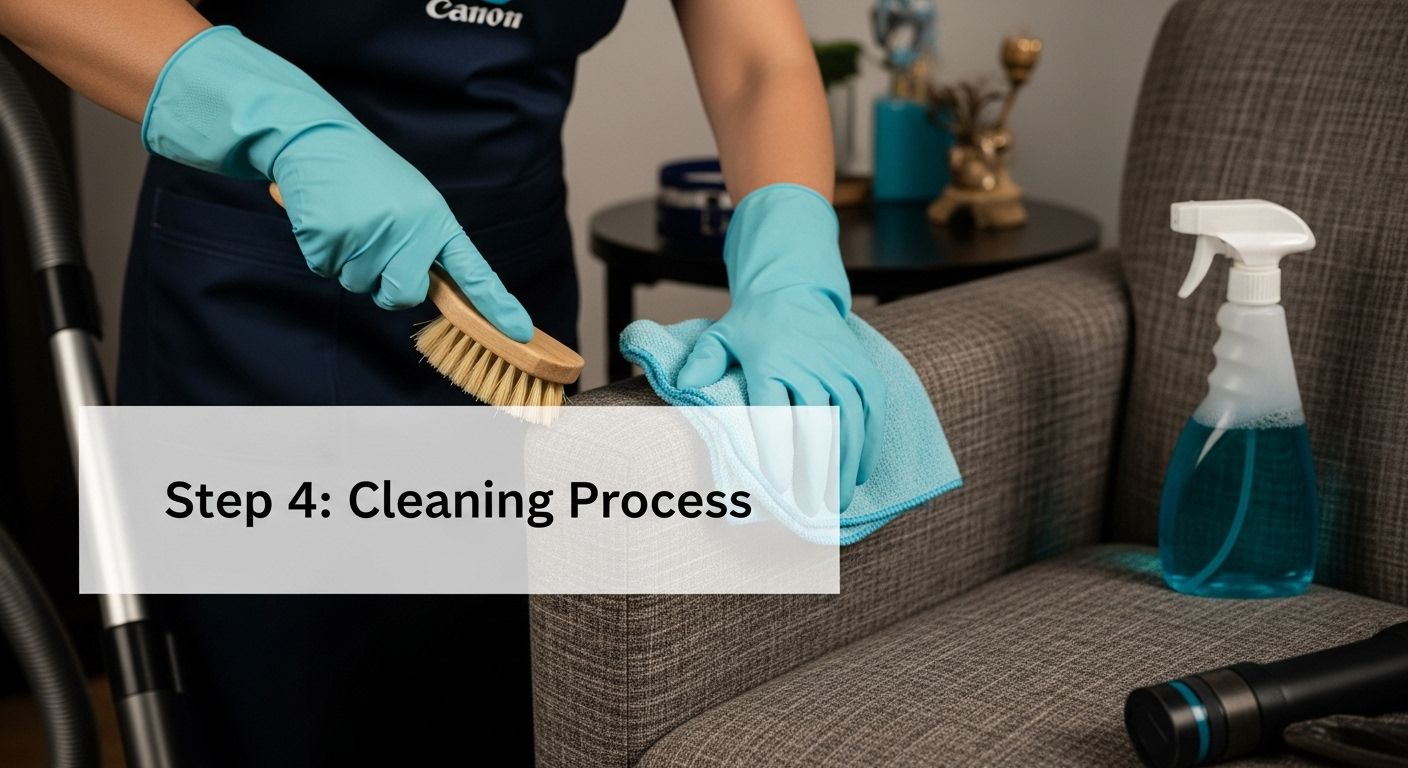 Use a soft-bristled brush or microfiber cloth to gently work the cleaning solution into the fabric, using circular motions that lift dirt without causing damage. Critical tip: Never saturate the fabric, as excessive moisture can lead to mould, mildew, or permanent water stains.
Verify your cleaning effectiveness with these key indicators:
- Even colour restoration across the furniture surface
- No remaining visible stains or dirt patches
- Fabric feels clean and refreshed, not overly damp
- No unpleasant odours
- Fabric maintains its original texture and shape
For residents in Croydon and Mount Evelyn, remember that different fabrics require unique approaches. Delicate materials like silk or vintage upholstery might need professional attention, while synthetic fabrics can tolerate more robust cleaning methods. Always prioritize gentle techniques and test cleaning solutions in inconspicuous areas before full application.
Step 5: Verify Cleanliness and Care for Upholstery
Verifying the cleanliness and maintaining the care of your upholstery is the final and most crucial step in preserving your furniture’s appearance and longevity. Homes across the Yarra Valley, from spacious properties in Lilydale to cosy apartments in Chirnside Park, require a meticulous approach to post-cleaning assessment and ongoing maintenance. The goal is to ensure your furniture looks pristine and remains protected against future wear and potential damage.
Immediately after cleaning, conduct a comprehensive visual and tactile inspection of your upholstery. Check for consistent colour, texture, and cleanliness across all surfaces. Pay special attention to previously stained areas, ensuring they have been completely restored. Explore our professional maintenance recommendations for long-term furniture care. The fabric should feel fresh, with no residual dampness or sticky residue from cleaning solutions.
Below is a simple post-cleaning checklist to help you quickly verify your upholstery is fresh, clean, and ready for regular use, as outlined in the guide.
| Step | What to Check | Desired Outcome |
|---|---|---|
| Visual inspection | Consistent colour, no stains | Looks uniform |
| Tactile check | Texture and dryness | Feels clean and dry |
| Spot re-assessment | Previously stained areas | Fully restored |
| Odour check | Any unpleasant smells | Smells fresh |
| Light assessment | Use natural/bright light for details | Surface is spotless |
| Cushion/shape check | Cushion shape and structure | Maintains shape |
| Use natural light or a bright lamp to illuminate the surface, revealing any missed spots or uneven cleaning. |
Once you are satisfied with the initial cleaning results, implement a regular maintenance routine to protect your investment. This involves weekly light vacuuming, immediate spot cleaning of spills, and rotating cushions to distribute wear evenly. Critical maintenance tip: Always use a clean, white cloth when spot cleaning to prevent colour transfer and potential fabric damage.
Verify your upholstery’s condition using these key indicators:
- Uniform colour and texture across all surfaces
- No remaining stains or dirt patches
- Fabric feels clean and dry
- No unpleasant odours
- Cushions and surfaces maintain their original shape
For residents in Croydon and Mount Evelyn, remember that different fabrics require unique care strategies. Delicate materials might need professional protection treatments, while robust synthetic fabrics can tolerate more aggressive maintenance approaches. By systematically verifying cleanliness and implementing consistent care, you’ll extend the life of your upholstery and maintain a fresh, inviting living environment.
Refresh Your Upholstery with Local Experts
Struggling to keep your furniture looking and feeling fresh? The “Upholstery Cleaning Frequency Guide for a Fresh Home” highlighted how easy it is for stains, odours, and daily wear to build up, especially in busy Yarra Valley households. Over time, even regular vacuuming and spot treatments might not be enough to prevent permanent fabric damage and loss of comfort. Delicate materials, active family life, or pet presence can make it difficult to follow the ideal cleaning schedule on your own.
With Yarra Valley Carpet Cleaning, you do not have to tackle these challenges alone. Our local team uses deep steam equipment and eco-friendly products to revive your upholstery with safe, thorough results. Ready for true peace of mind and a healthier, spotless home? Visit our service category or go straight to our main site to book professional upholstery cleaning tailored to your fabric and household needs. Act now to protect your furniture and bring lasting freshness to every room.
Frequently Asked Questions
How often should I clean my upholstery?
Most households should aim for professional upholstery cleaning every 12 to 24 months. However, homes with young children, pets, or high traffic areas may require cleaning every 6 to 12 months.
What factors influence upholstery cleaning frequency?
Factors include the type of fabric, number of occupants, presence of children or pets, allergies, and environmental exposure to dust and spills.
How can I assess the current condition of my upholstery?
Check the fabric type, visible wear, frequency of use, exposure to stains, and follow the manufacturer’s recommended cleaning guidelines.
What supplies do I need for cleaning upholstery myself?
Essential supplies include a high-quality vacuum with upholstery attachments, microfiber cloths, fabric-specific cleaning solutions, a soft-bristled brush, and clean towels.
Recommended
- Upholstery Cleaning Methods for Yarra Valley Homes 2025
- Upholstery Fabrics and Cleaning Guide 2025 for Yarra Valley
- What Is Upholstery Cleaning? Guide for Yarra Valley Homes 2025
- Deep Carpet Cleaning Explained
- Essential Carpet Cleaning Tips for a Spotless Home
- Mastering Floor Mat Cleaning for Your Business