
Over 60 percent of homeowners admit to feeling unsure about the right way to clean their upholstered furniture. Upholstery comes in many fabrics and styles, so one wrong step can cause fading or damage that is hard to fix. Knowing the basics of upholstery cleaning gives you a clear path to protect your furniture, keep it looking fresh, and extend its lifespan.
Table of Contents
- Upholstery Cleaning: Definition And Core Concepts
- Types Of Upholstery Fabrics And Their Needs
- Professional Vs Diy Cleaning Methods Compared
- Step-By-Step Process For Effective Cleaning
- Risks, Costs, And Common Mistakes To Avoid
Key Takeaways
| Point | Details |
|---|---|
| Understanding Fabric Types | Different upholstery fabrics require specialized cleaning methods based on their unique properties and sensitivities. |
| Professional vs DIY | While DIY cleaning is suitable for routine maintenance, professional services are essential for deep cleaning and handling delicate fabrics. |
| Methodical Cleaning Process | A structured approach to upholstery cleaning, including inspection and careful application of cleaning agents, ensures fabric integrity and optimal results. |
| Avoiding Common Mistakes | Be cautious of potential pitfalls, such as using incorrect chemicals or neglecting pre-cleaning assessments, to prevent irreversible damage to furniture. |
Upholstery Cleaning: Definition and Core Concepts
Upholstery cleaning is a specialized process of maintaining and restoring fabric-covered furniture, involving comprehensive techniques designed to remove dirt, stains, and allergens while preserving the material’s integrity. According to the Western Australian Museum, upholstery encompasses a wide range of items including chairs, sofas, curtains, and bed hangings, each requiring specific care and conservation methods.
At its core, upholstery cleaning involves understanding the unique characteristics of different fabric types. As detailed by the NSW Environment Protection Authority, upholstery materials can be composed of natural fibers, synthetic materials, or blended compositions, which significantly influence the appropriate cleaning approach. These materials range from delicate natural fabrics like cotton and wool to robust synthetic options such as polyester and nylon.
Effective upholstery cleaning requires a nuanced approach that considers several critical factors:
- Fabric composition and sensitivity
- Existing stain types and their origin
- Age and condition of the furniture
- Specific cleaning requirements for different materials
For residents in areas like Lilydale, Croydon, and Mooroolbark, understanding these core principles is crucial for maintaining furniture’s appearance and longevity. Professional upholstery cleaning guide for Yarra Valley offers more in-depth insights into localised cleaning strategies that protect and preserve your valuable furniture pieces.
Types of Upholstery Fabrics and Their Needs
Upholstery fabrics are diverse and complex, each with unique characteristics that demand specialized care and maintenance. According to the Australian Academy of Interior Design, these materials range widely from natural fibers like silk and cotton to synthetic options such as polyester and microfiber. Understanding the specific properties of each fabric type is crucial for effective cleaning and long-term preservation.
The selection of upholstery fabric involves balancing aesthetic preferences with practical considerations. As highlighted by Renew magazine, environmental sustainability and durability play significant roles in fabric selection. Natural fabrics like cotton, linen, and wool offer breathability and comfort, while synthetic materials provide enhanced stain resistance and durability.
Key characteristics of different upholstery fabric types include:
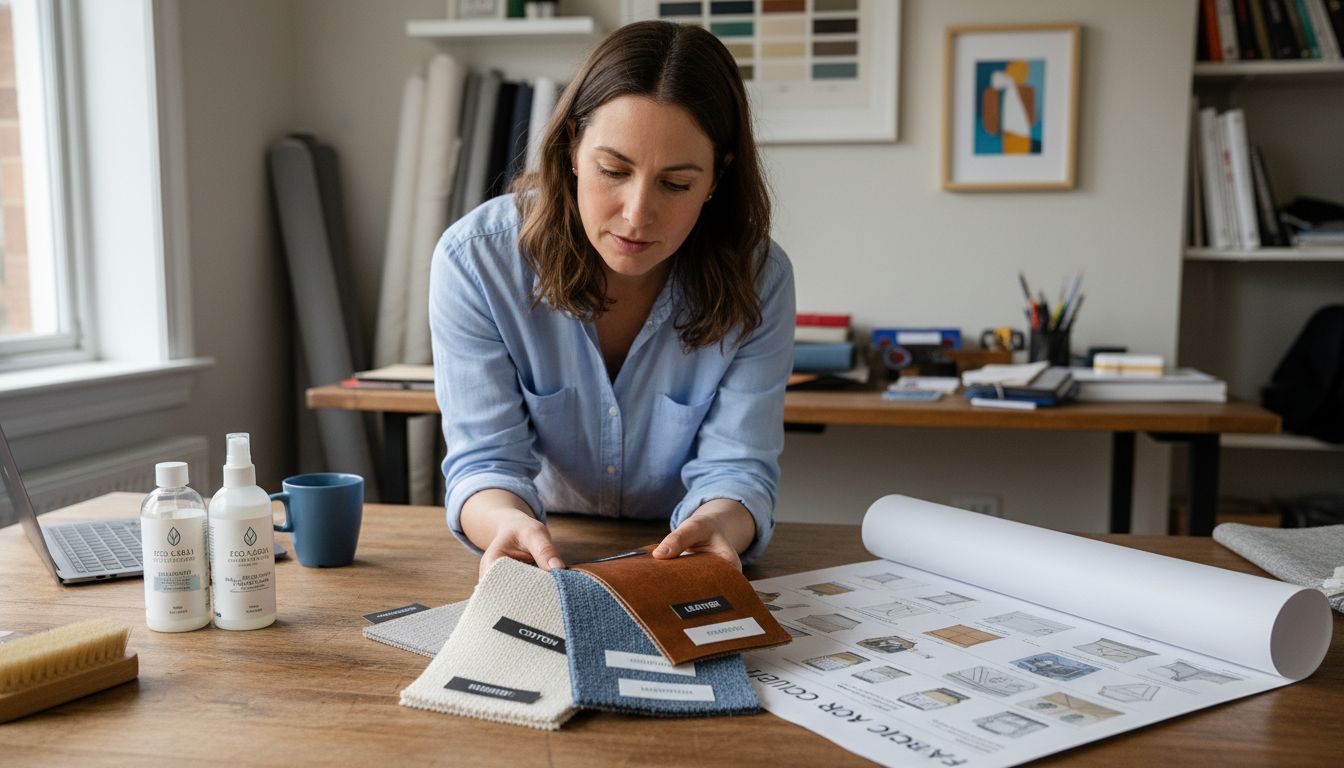
- Cotton: Soft, breathable, but prone to wrinkling and staining
- Leather: Durable, easy to clean, develops a unique patina over time
- Polyester: Highly resistant to wrinkles and stains
- Microfiber: Excellent for households with pets and children
- Silk: Luxurious but delicate, requiring specialized cleaning
For residents in Lilydale, Croydon, and surrounding Yarra Valley areas, understanding these fabric nuances is essential for maintaining furniture’s appearance and longevity. Our comprehensive upholstery fabrics guide provides detailed insights into selecting and maintaining the right fabrics for your specific needs.
Professional vs DIY Cleaning Methods Compared
Upholstery cleaning presents homeowners with a critical decision between professional services and do-it-yourself approaches. According to the Western Australian Museum, while routine maintenance can be performed at home using soft brushes and low-suction vacuuming, delicate or antique pieces require professional assessment and specialized care.
The key distinctions between professional and DIY cleaning methods become apparent when considering the complexity of different fabric types. As noted by the New South Wales Environment Protection Authority, while DIY methods work well for routine maintenance, professional services become essential when addressing deep-set stains, intricate fabric compositions, or specific textile challenges.
Key considerations when choosing between professional and DIY cleaning include:
- Equipment Quality: Professional services use industrial-grade equipment
- Fabric Expertise: Professionals understand nuanced fabric care requirements
- Stain Removal: Advanced techniques for complex or set-in stains
- Time Investment: DIY methods require significant personal time and effort
- Cost-Effectiveness: Long-term preservation vs immediate savings
For residents in Lilydale, Croydon, and surrounding Yarra Valley areas seeking targeted cleaning strategies, our comprehensive upholstery cleaning methods guide offers detailed insights into making the most informed decision for your specific furniture and fabric needs.
Step-by-Step Process for Effective Cleaning
Upholstery cleaning requires a methodical approach to ensure optimal results and preserve fabric integrity. According to the Western Australian Museum, the process begins with a careful assessment of the material type and selecting appropriate cleaning techniques that minimise potential damage.
The New South Wales Environment Protection Authority emphasizes the critical importance of understanding fabric composition and following manufacturer recommendations. Preliminary testing of cleaning agents on an inconspicuous area is essential to prevent unexpected discoloration or fabric deterioration.
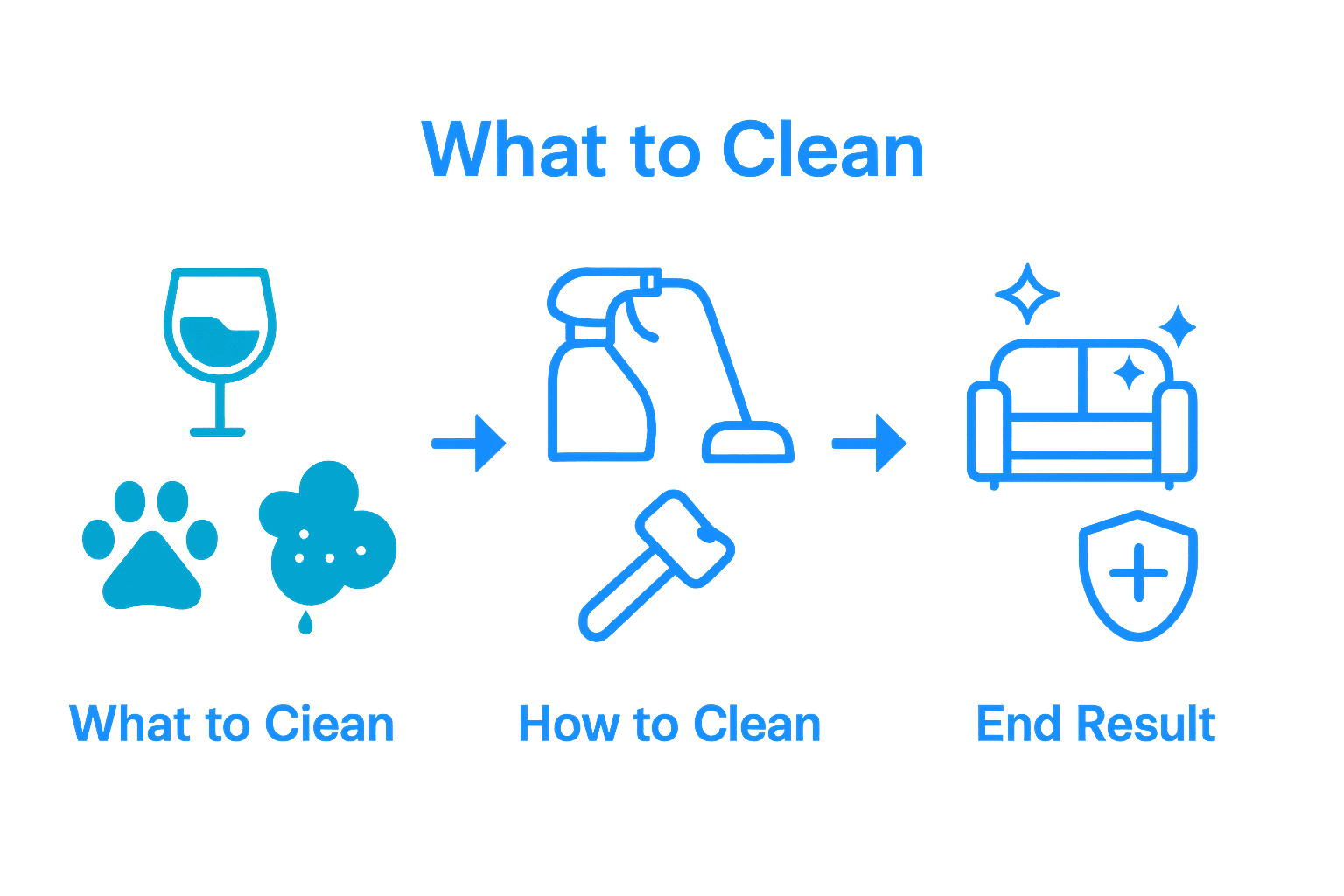
A comprehensive upholstery cleaning process involves several key steps:
- Inspect the Fabric: Identify material type and existing stains
- Vacuum Thoroughly: Use low-suction settings and soft brush attachments
- Spot Test Cleaning Solution: Check for adverse reactions
- Apply Cleaning Solution: Use gentle, targeted techniques
- Blot, Don’t Rub: Prevent fabric damage and spread of stains
- Dry Completely: Ensure proper air circulation and minimal moisture
For residents in Lilydale, Croydon, and surrounding Yarra Valley areas seeking expert guidance, our steam cleaning process guide provides detailed insights into professional-grade cleaning techniques tailored to your specific upholstery needs.
Risks, Costs, and Common Mistakes to Avoid
Upholstery cleaning involves numerous potential pitfalls that can transform a simple maintenance task into an expensive restoration project. According to the Western Australian Museum, improper cleaning methods can lead to significant fabric deterioration, with risks ranging from color fading to permanent structural damage caused by harsh chemical treatments.
The New South Wales Environment Protection Authority emphasizes that many homeowners inadvertently cause damage by neglecting crucial pre-cleaning assessments. Costly mistakes often stem from using generic cleaning solutions without understanding specific fabric requirements, which can result in irreversible harm to valuable furniture.
Common upholstery cleaning risks and mistakes include:
- Chemical Damage: Using inappropriate cleaning agents
- Color Bleeding: Failing to test solutions on hidden areas
- Fabric Weakening: Excessive moisture or aggressive scrubbing
- Shrinkage: Incorrect water temperature or drying techniques
- Permanent Staining: Improper stain removal methods
For residents in Lilydale, Croydon, and surrounding Yarra Valley areas seeking to protect their investment, our comprehensive cleaning methods guide offers expert insights to help you avoid these potentially expensive mistakes.
Unlock the Full Potential of Your Upholstery with Expert Care
Upholstery cleaning can be tricky when facing stubborn stains, delicate fabric types, and the risk of damage from the wrong techniques. The article highlights common challenges like fabric sensitivity, ineffective stain removal, and the pitfalls of DIY methods that may leave your cherished furniture looking worse for wear. You deserve solutions that combine deep steam cleaning, expert fabric knowledge, and safe stain removal to protect and refresh your upholstery.
Don’t let dirt, allergens, or improper cleaning ruin your home’s comfort and appearance. Discover how our family-owned team at Yarra Valley Carpet Cleaning delivers premium, eco-friendly upholstery cleaning tailored to your furniture’s unique needs right here in the Yarra Valley. For detailed tips and strategies, explore our Uncategorized Archives packed with expert advice and helpful guides.
Ready to revive your upholstery with trusted professionals who understand local fabric challenges? Act now to protect your valuable investment by contacting us through Yarra Valley Carpet Cleaning. Experience spotless results and breathe new life into your home today.
Frequently Asked Questions
What is upholstery cleaning?
Upholstery cleaning is a specialized process for maintaining and restoring fabric-covered furniture by removing dirt, stains, and allergens while preserving the integrity of the material.
What are the different types of upholstery fabrics and their cleaning needs?
Upholstery fabrics vary from natural fibers like cotton and silk to synthetic materials such as polyester and microfiber. Each type requires specific care—natural fabrics may need delicate handling, while synthetics often offer enhanced stain resistance.
Should I choose professional upholstery cleaning or DIY methods?
Professional cleaning offers advanced techniques and equipment suitable for deep-set stains and various fabric types, while DIY methods can be effective for routine maintenance. The choice depends on the complexity of the cleaning task and your comfort level with cleaning techniques.
What are common mistakes to avoid when cleaning upholstery?
Avoid common mistakes such as using harsh chemicals, failing to test cleaning solutions on unseen areas, using excessive moisture, or aggressive scrubbing, as these can lead to fabric damage and permanent staining.
Recommended
- What Is Upholstery Cleaning? Guide for Yarra Valley Homes 2025 – Yarra Valley Carpet Cleaning
- Upholstery Cleaning Methods for Yarra Valley Homes 2025 – Yarra Valley Carpet Cleaning
- Upholstery Fabrics and Cleaning Guide 2025 for Yarra Valley – Yarra Valley Carpet Cleaning
- Why Clean Your Upholstery: Benefits for Every Home and Business – Yarra Valley Carpet Cleaning