
Spotting carpet damage in your Yarra Valley home can be trickier than most people think and it is not just about looking for obvious stains on the floor. Over 16 percent moisture readings are a quiet signal that water damage may already be hiding beneath your feet. Most folks skip the prep stage and jump straight in but that is exactly how tiny issues become major carpet disasters. What really makes a difference is starting with the right setup before you even begin your inspection.
Table of Contents
- Step 1: Prepare Your Space For Inspection
- Step 2: Conduct A Visual Assessment Of The Carpet
- Step 3: Examine Underneath And Between Furniture
- Step 4: Use Tools To Check For Water Or Moisture Damage
- Step 5: Document And Prioritise Areas Of Concern
Quick Summary
| Key Point | Explanation |
|---|---|
| 1. Clear space for inspection | Remove all items from the carpeted area to improve visibility during the inspection process. |
| 2. Use proper inspection tools | Equip yourself with essential tools like a flashlight, magnifying glass, and camera for accurate damage detection. |
| 3. Conduct a thorough visual assessment | Inspect the carpet from various angles, focusing on areas of high traffic to identify subtle signs of damage. |
| 4. Document damage meticulously | Keep detailed records of inspected areas, including photographs and notes on damage severity and types. |
| 5. Prioritise areas for repair | Organise documented findings by urgency to ensure critical issues are addressed promptly and effectively. |
Step 1: Prepare Your Space for Inspection
Spotting carpet damage requires a systematic and thorough approach, starting with comprehensive space preparation. Before diving into a detailed inspection, you need to create optimal conditions that reveal even subtle signs of carpet wear, stains, or deterioration. This crucial first step sets the foundation for an effective and precise damage assessment across your Yarra Valley home or commercial space.
Begin by clearing the entire carpeted area completely. Remove all furniture, rugs, decorative items, and any objects that might obstruct your view or impede a comprehensive inspection. In areas like Lilydale or Mooroolbark, where homes can have varying carpet sizes and room configurations, ensure you have adequate lighting and space to move around freely. Natural daylight works best, so open curtains and blinds to maximize illumination.
Gather essential inspection tools before you start. According to Consumer Affairs Victoria, having the right equipment can significantly improve your damage detection accuracy. Your inspection toolkit should include:
- Bright flashlight
- White paper towels or clean white cloths
- Magnifying glass
- Measuring tape
- Camera or smartphone for documentation
- Notebook for recording observations
Prepare the carpet surface by gently vacuuming the entire area using slow, deliberate strokes. This initial cleaning removes loose debris and helps expose underlying damage that might be hidden by dirt or dust. Pay special attention to high traffic zones and areas near entryways, which typically experience more wear in homes around Chirnside Park and Croydon.

As you prepare the space, mentally divide the carpeted area into sections. This systematic approach ensures you don’t miss any potential damage zones. Start from one corner of the room and work methodically across the space, maintaining a consistent and thorough examination strategy. Natural light and a clean, unobstructed surface will help you identify even the most subtle carpet imperfections with greater precision.
By meticulously preparing your inspection space, you create an environment that reveals carpet damage with maximum clarity.
Below is a summary table of essential carpet inspection tools, including their purpose and where they are most useful during the process.
| Tool | Purpose | Where Most Useful |
|---|---|---|
| Bright flashlight | Illuminate carpet surface and dark areas | Entire inspection, under furniture |
| White paper towels/cloths | Detect moisture, test for stains | Suspected stain or moisture spots |
| Magnifying glass | Inspect for small damage, frayed fibres | Close-up assessment of worn areas |
| Measuring tape | Measure size of damaged sections | Documenting and recording damage size |
| Camera/smartphone | Take photos for documentation | All inspection stages |
| Notebook | Record observations and damage notes | Throughout inspection process |
| Vacuum cleaner | Prep carpet surface for inspection | At the beginning of the process |
Step 2: Conduct a Visual Assessment of the Carpet
A thorough visual assessment is critical in identifying carpet damage before it becomes a costly repair issue. This step transforms you from a passive homeowner to a proactive inspector, enabling you to catch subtle signs of wear and potential structural problems that could compromise your carpet’s integrity. In areas like Mooroolbark and Lilydale, where homes experience diverse environmental conditions, understanding what to look for becomes even more essential.
Start by positioning yourself at different angles and heights to examine the carpet comprehensively. Natural light works best, so position yourself near windows or use bright, even lighting that eliminates shadows. Move systematically across the carpet, beginning from one corner and working methodically to ensure no section goes uninspected. Look for variations in color, texture, and surface consistency that might indicate underlying damage.
According to NSW Government Guidelines, distinguishing between normal wear and actual damage requires a keen eye. Inspect for these critical indicators:
- Discoloration or unexplained stain patterns
- Fraying or unraveling carpet edges
- Matted or flattened areas in high traffic zones
- Unusual texture changes or inconsistent pile height
- Signs of moisture damage or mold growth
Zoom in on areas near furniture, doorways, and high traffic paths. These locations often reveal the most significant carpet stress. For homes in Chirnside Park or Croydon, where foot traffic can be intense, pay extra attention to entryways and hallways. Run your hand gently across the carpet surface, feeling for irregularities that might not be immediately visible. Slight depressions, rough patches, or areas with different pile resilience can signal underlying damage.
If you want more details on maintaining your carpet’s condition, consider professional guidance. Professional carpet inspectors recommend documenting your findings through photographs. Take clear, well-lit images that capture potential damage areas, ensuring you have a visual record for future reference or potential repair discussions.
A successful visual assessment provides a comprehensive map of your carpet’s current condition.
This checklist table summarises key indicators to look for during a carpet visual assessment and what their presence could potentially mean.
| Indicator | Possible Meaning | Suggested Action |
|---|---|---|
| Discoloration or stain patterns | Previous spills, water intrusion, or mould | Investigate source |
| Fraying or unraveling edges | Physical wear or damage from furniture | Repair or trim area |
| Matted/flattened high-traffic | Excessive use, worn fibres | Clean, monitor traffic |
| Unusual texture or pile changes | Moisture, underlying issues | Check with hand/meter |
| Moisture signs or mould growth | Water damage or leaks underneath | Moisture test, address |
| Small depressions/indentations | Furniture pressure, long placement | Rotate furniture/restore |
| Uneven carpet resilience | Hidden damage below surface | Inspect carpet backing |
Step 3: Examine Underneath and Between Furniture
Examining carpet damage hidden underneath and between furniture requires a methodical and patient approach. Many homeowners in the Yarra Valley overlook these crucial areas, where significant carpet deterioration often begins unnoticed. This step unveils the secret zones of potential damage that can compromise your carpet’s overall health and longevity.
Preparation is key when investigating these concealed spaces. Begin by carefully moving furniture away from walls, creating sufficient clearance to perform a comprehensive inspection. In homes around Lilydale and Mooroolbark, where furniture can be heavy and bulky, consider having a helper assist you in safely repositioning items. Use furniture sliders or protective mats to prevent additional carpet damage during the moving process.
According to NSW Government Housing Guidelines, understanding the difference between normal wear and actual damage is crucial. Look for these critical indicators when examining hidden carpet areas:
- Permanent indentations from furniture legs
- Discoloration or moisture stains
- Flattened or compressed carpet pile
- Signs of pest activity or mold growth
- Uneven carpet surfaces or unusual texture changes
Utilize different lighting techniques to reveal subtle damage. Natural daylight works best, but a bright flashlight can help illuminate darker spaces between and underneath furniture. Gently run your hands across the carpet surface, feeling for texture inconsistencies that might not be immediately visible. Pay special attention to areas near walls and beneath heavy furniture pieces, which are prone to moisture accumulation and reduced air circulation.
If you want comprehensive insights into maintaining your carpet’s condition, consider professional assessment techniques. For areas in Chirnside Park experiencing high humidity or frequent temperature changes, hidden carpet damage can develop rapidly. Take detailed photographs of any suspicious areas, capturing variations in color, texture, and potential damage signs.
A thorough examination underneath and between furniture transforms your carpet inspection from superficial to comprehensive. By systematically investigating these often-overlooked zones, you protect your investment and prevent minor issues from escalating into costly repairs. Remember, early detection is your most powerful tool in maintaining a healthy, long-lasting carpet that withstands the diverse environmental challenges of the Yarra Valley region.
Step 4: Use Tools to Check for Water or Moisture Damage
Detecting moisture damage requires precision and specialized tools that transform your carpet inspection from a guessing game to a scientific investigation. Moisture can silently destroy carpet foundations in homes across the Yarra Valley, particularly in areas like Lilydale and Mooroolbark where humidity and seasonal variations can create hidden risks. Understanding how to use the right equipment becomes your first line of defense against potential carpet destruction.
Moisture meters are your primary diagnostic tool in this critical investigation. These electronic devices measure the water content within carpet fibers and underlying materials, providing quantitative data about potential damage. Professional-grade moisture meters allow you to detect water infiltration long before visible signs emerge, offering a proactive approach to carpet maintenance.
According to Restoration Industry Guidelines, understanding moisture readings is crucial. Look for these critical moisture detection indicators:
- Readings above 16% indicate potential water damage
- Sudden spikes in moisture levels near walls or corners
- Consistent moisture presence in specific carpet zones
- Variations in moisture content across different carpet sections
- Unexplained humidity concentrations
Begin your moisture assessment by systematically testing different carpet areas. Start in corners, along baseboards, and near potential water sources like windows, pipes, or external walls. In homes around Chirnside Park, where temperature fluctuations are common, pay extra attention to areas prone to condensation. Gently press the moisture meter’s pins or sensor against the carpet, moving slowly and maintaining consistent contact to ensure accurate readings.
If you want comprehensive insights into carpet moisture management, consider complementing your moisture meter with additional tools. A thermal imaging camera can reveal hidden moisture patterns invisible to the naked eye, showing temperature variations that might indicate water infiltration. Infrared cameras provide a visual map of potential problem areas, helping you pinpoint exact locations of moisture concentration.
A successful moisture damage assessment requires patience, systematic testing, and the right tools. By transforming your approach from reactive to proactive, you protect your carpet investment and prevent long-term structural damage.
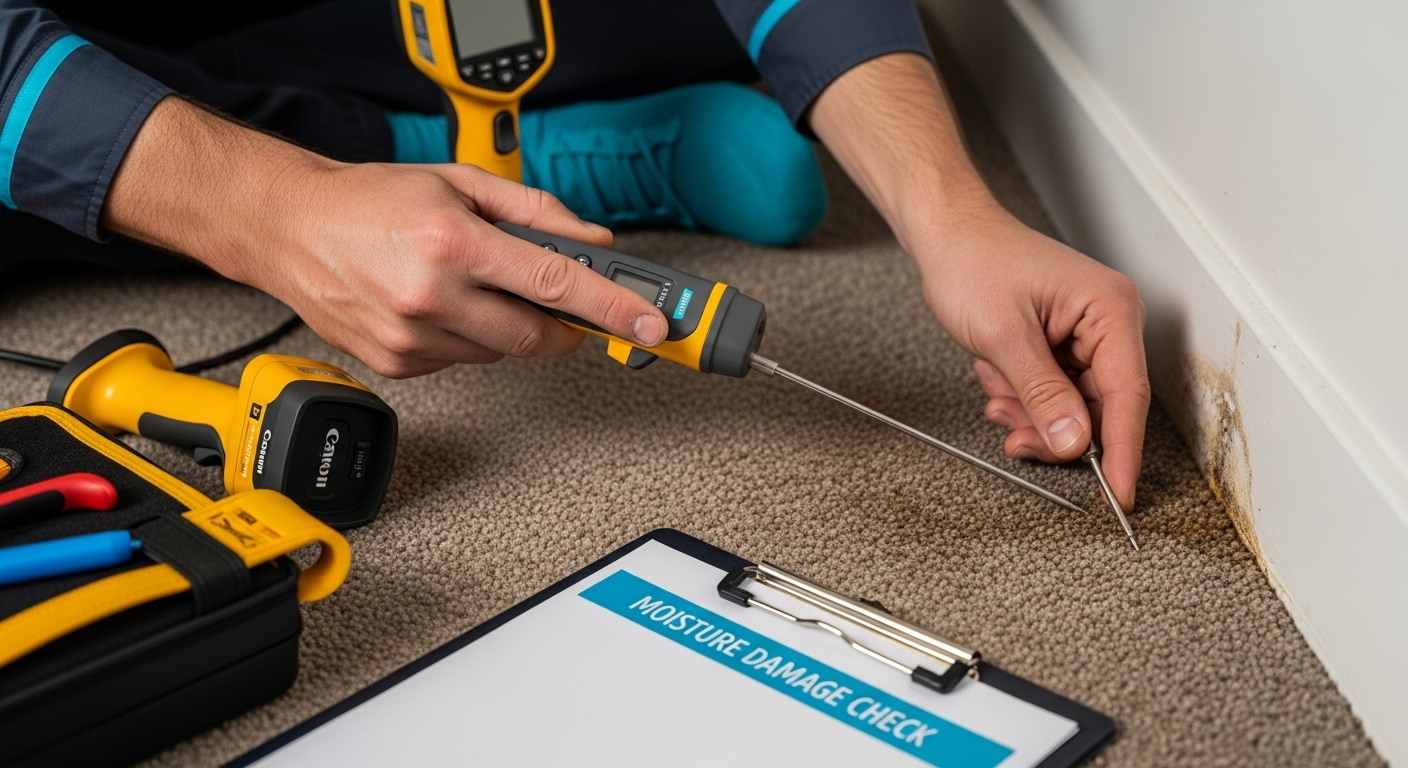 Remember, early detection is your most powerful weapon against moisture-related carpet deterioration in the dynamic climate of the Yarra Valley region.
Step 5: Document and Prioritise Areas of Concern
Documenting and prioritising carpet damage transforms your inspection from a passive observation to a strategic maintenance plan. Homeowners across the Yarra Valley, particularly in areas like Lilydale and Mooroolbark, understand that precise documentation can mean the difference between minor repairs and costly replacements. This step converts your visual findings into a comprehensive action roadmap for carpet restoration.
Create a systematic documentation strategy that captures every detail of potential carpet damage. Use a dedicated notebook or digital spreadsheet to record your observations, ensuring each area of concern is meticulously tracked. Begin by assigning a unique identifier to each damaged section, noting its specific location within the room. Measure and sketch the precise dimensions of each damaged area, creating a visual and numerical record that professionals can easily understand.
According to NSW Fair Trading Property Inspection Guidelines, comprehensive documentation should include:
- Precise location of damage
- Estimated size of affected area
- Type of damage (stain, wear, moisture)
- Potential cause of damage
- Severity rating from 1-5
- Recommended immediate actions
Photographic evidence becomes your most powerful documentation tool.
Capture high-resolution images from multiple angles, ensuring good lighting reveals the full extent of carpet damage. Use a ruler or standard object for scale, helping future repair professionals understand the exact dimensions. In homes around Chirnside Park, where environmental conditions can vary, these detailed records become invaluable for tracking carpet deterioration over time.
If you want more insights into professional carpet maintenance, consider creating a priority matrix for your documented damage. Categorize areas of concern based on severity, potential for further deterioration, and immediate repair needs. High-priority zones might include water damage, large stains, or areas with structural carpet breakdown, while lower-priority sections could involve minor aesthetic imperfections.
A successful documentation process provides a clear, actionable roadmap for carpet restoration. By transforming your observations into a structured report, you empower yourself with knowledge and prepare for informed decision-making. Remember, thorough documentation is your strategic advantage in maintaining your carpet’s longevity and preserving your property’s aesthetic and functional value.
Tackle Carpet Damage the Smart Way with Expert Help from Yarra Valley Carpet Cleaning
After following this step-by-step guide, you know exactly how tricky it can be to spot hidden stains, water damage, or signs of wear before they become serious and expensive problems. You have put in the work to check every carpeted nook and cranny, but sometimes even a meticulous inspection reveals more damage than you expected. If you are staring at stubborn stains, lingering odours, or moisture issues that will not budge, you do not have to manage it alone. The good news? Our family-owned team specialises in turning those discoveries into spotless, healthy carpets again.
Why risk letting minor carpet issues grow into costly repairs? Whether you are looking to protect your investment, restore the look of your property, or simply enjoy a cleaner living space, take action now. Explore our Uncategorized Archives for more practical carpet care solutions, or jump straight to the experts. Contact Yarra Valley Carpet Cleaning for fast, high-quality service across the Yarra Valley. Book your professional deep clean today at Yarra Valley Carpet Cleaning and see how easy it is to bring new life to your floors.
Frequently Asked Questions
How can I prepare my space for a carpet inspection?
To prepare your space for a carpet inspection, remove all furniture and obstructions, open curtains and blinds for natural light, and gather essential tools such as a flashlight, measuring tape, and notepad. Vacuum the carpet thoroughly to expose any hidden damage.
What should I look for during a visual assessment of my carpet?
During a visual assessment, check for discoloration, stains, fraying edges, matted areas, and signs of moisture or mold. Look for irregularities in texture and pile height, especially in high-traffic areas.
How do I examine carpet damage under furniture?
When examining carpet under furniture, carefully move the furniture away to reveal hidden areas. Look for indentations, discoloration, or moisture issues. Use bright lighting to help illuminate these typically shaded zones.
What tools are useful for checking for moisture damage in carpets?
Useful tools for checking moisture damage include a moisture meter, which measures water content in carpet fibers, and a thermal imaging camera, which can reveal hidden moisture patterns. These tools help identify potential damage before it becomes visible.
Recommended
- Deep Cleaning Carpets at Home: 2025 Guide for Yarra Valley – Yarra Valley Carpet Cleaning
- Common Carpet Stains Removal Guide for Yarra Valley 2025 – Yarra Valley Carpet Cleaning
- How to Clean Wool Carpets: Simple Tips for Yarra Valley Homes 2025 – Yarra Valley Carpet Cleaning
- How Often Clean Carpets: Guide for Yarra Valley Homes 2025 – Yarra Valley Carpet Cleaning