
Did you know that carpets can hold up to 200,000 bacteria per square inch, making them dirtier than the average toilet seat? Most homeowners overlook what hides in these soft fibres, yet dirty carpets can quietly threaten your family’s wellbeing. Understanding the risks that lurk underfoot empowers you to take simple steps that safeguard your loved ones’ health and improve the safety of every room in your home.
Key Takeaways
| Point | Details |
|---|---|
| Health Risks of Dirty Carpets | Dirty carpets harbor harmful contaminants such as dust mites, allergens, bacteria, and mould, posing significant health risks, especially for vulnerable groups. |
| Importance of Regular Cleaning | Professional carpet cleaning is essential to eliminate up to 98% of allergens and bacteria, significantly improving indoor air quality and reducing health risks. |
| Vulnerable Populations | Children, the elderly, and individuals with pre-existing respiratory conditions are particularly susceptible to the health hazards associated with unclean carpets. |
| Proactive Maintenance | Implementing regular vacuuming, immediate spill treatment, and reducing shoe traffic can enhance carpet hygiene and mitigate health risks between professional cleanings. |
Table of Contents
- What Are The Health Risks Of Dirty Carpets?
- Common Allergens And Bacteria In Carpets
- How Dirty Carpets Affect Indoor Air Quality
- Vulnerable Groups Impacted By Carpet Contaminants
- Effective Cleaning Practices To Reduce Health Risks
What Are The Health Risks Of Dirty Carpets?
Dirty carpets are more than just an aesthetic issue they’re a serious health hazard lurking right under your feet. In suburbs like Lilydale, Chirnside Park, and Mooroolbark, homes can quickly accumulate hidden health risks within carpet fibres that pose significant dangers to residents. According to research from Australian cleaning experts, carpets can harbour a startling array of harmful contaminants including dust mites, animal dander, pest residues, and moisture-related microorganisms.
These microscopic inhabitants create significant health challenges. Allergens trapped in carpet fibres can trigger respiratory issues like asthma and skin irritations. Dust mites, which thrive in warm carpet environments, are particularly problematic. Their microscopic faecal matter and decaying bodies can become airborne, causing allergic reactions, breathing difficulties, and potential long-term respiratory complications. For families with children, elderly members, or individuals with pre-existing respiratory conditions, these risks become even more pronounced.
Bacterial and fungal growth represents another critical health risk in unclean carpets. Moisture from spills, humidity, or inadequate cleaning can create ideal breeding grounds for mould and harmful bacteria. These microorganisms can release toxic spores that compromise indoor air quality and potentially lead to serious health conditions. In damp regions of Victoria like the Yarra Valley, where humidity can be significant, understanding why regular carpet cleaning matters becomes crucial for maintaining a healthy home environment.
To protect your family’s health, regular professional carpet cleaning isn’t just recommended it’s essential. Deep steam cleaning can eliminate up to 98% of allergens and bacteria, dramatically reducing health risks. For residents across the Yarra Valley region, investing in professional carpet maintenance isn’t an expense it’s a critical health protection strategy.
Common Allergens And Bacteria In Carpets
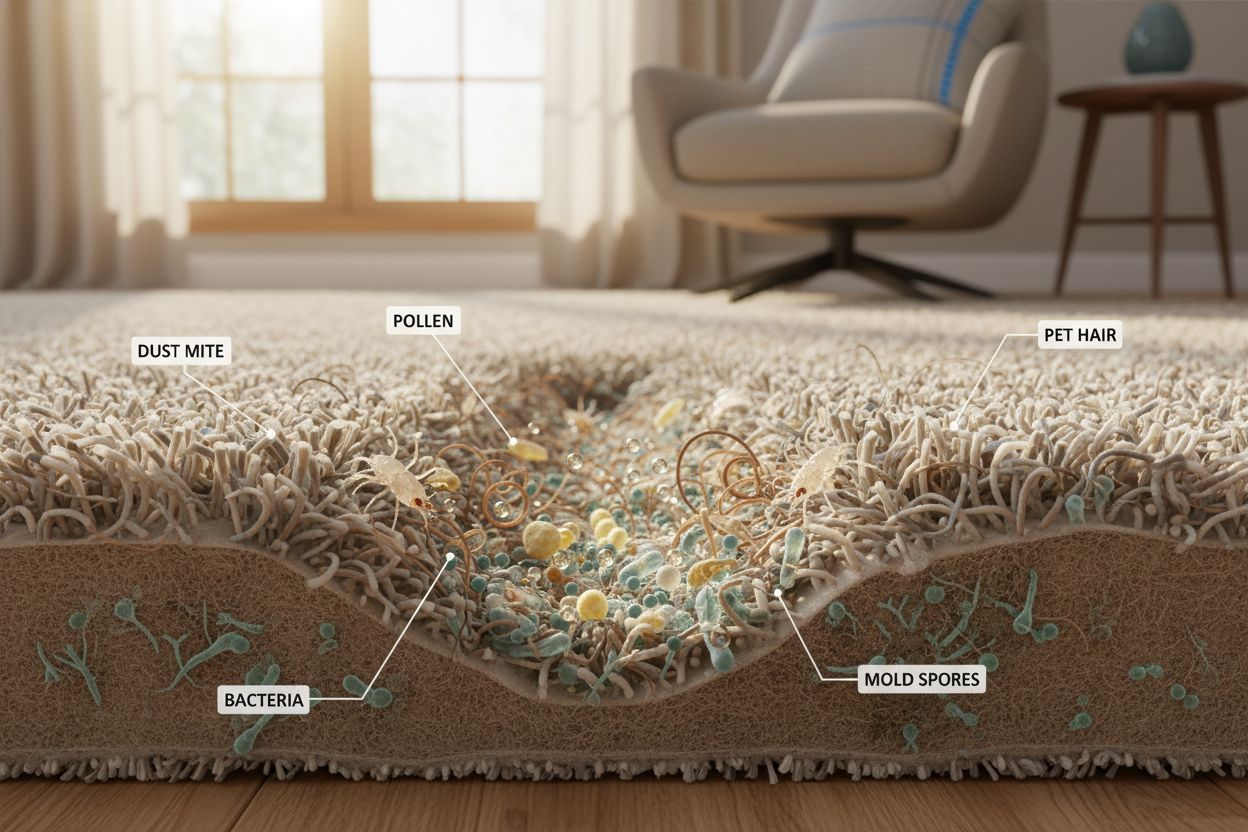
Carpet fibres are microscopic ecosystems teeming with potentially harmful organisms that can seriously compromise your home’s health environment. In areas across the Yarra Valley like Mooroolbark and Lilydale, residents might be unknowingly hosting a complex microbial landscape within their carpet layers. According to research from Australian cleaning experts, carpets can harbour an alarming variety of allergens and bacteria that pose significant health risks.
Dust mites represent one of the most prevalent carpet inhabitants. These microscopic creatures thrive in warm, humid environments and produce excretions that can trigger severe allergic reactions. Research indicates that dust mite faecal matter can cause asthma, eczema, and skin rashes. Surprisingly, these tiny organisms are far more numerous on carpet surfaces than on other household areas, even surpassing bacterial populations found on toilet seats.
Another critical concern is the range of allergens lurking in carpet fibres. Cockroach parts, pet dander, and accumulated organic debris create perfect breeding grounds for respiratory irritants. These microscopic particles become airborne with foot traffic, potentially causing significant respiratory challenges for vulnerable individuals. 8 best carpet cleaning tips for allergies relief can provide homeowners with strategies to mitigate these risks.
Bacterial contamination presents an equally serious threat. Carpets can accumulate bacteria from various sources including food spills, pet accidents, and outdoor dirt tracked indoors. These bacteria multiply rapidly in carpet’s dense fibre environment, creating potential health hazards that extend beyond mere surface contamination. Regular professional cleaning remains the most effective method for reducing these microbial populations and protecting your family’s health.
Here’s a summary of common carpet contaminants and their health effects:
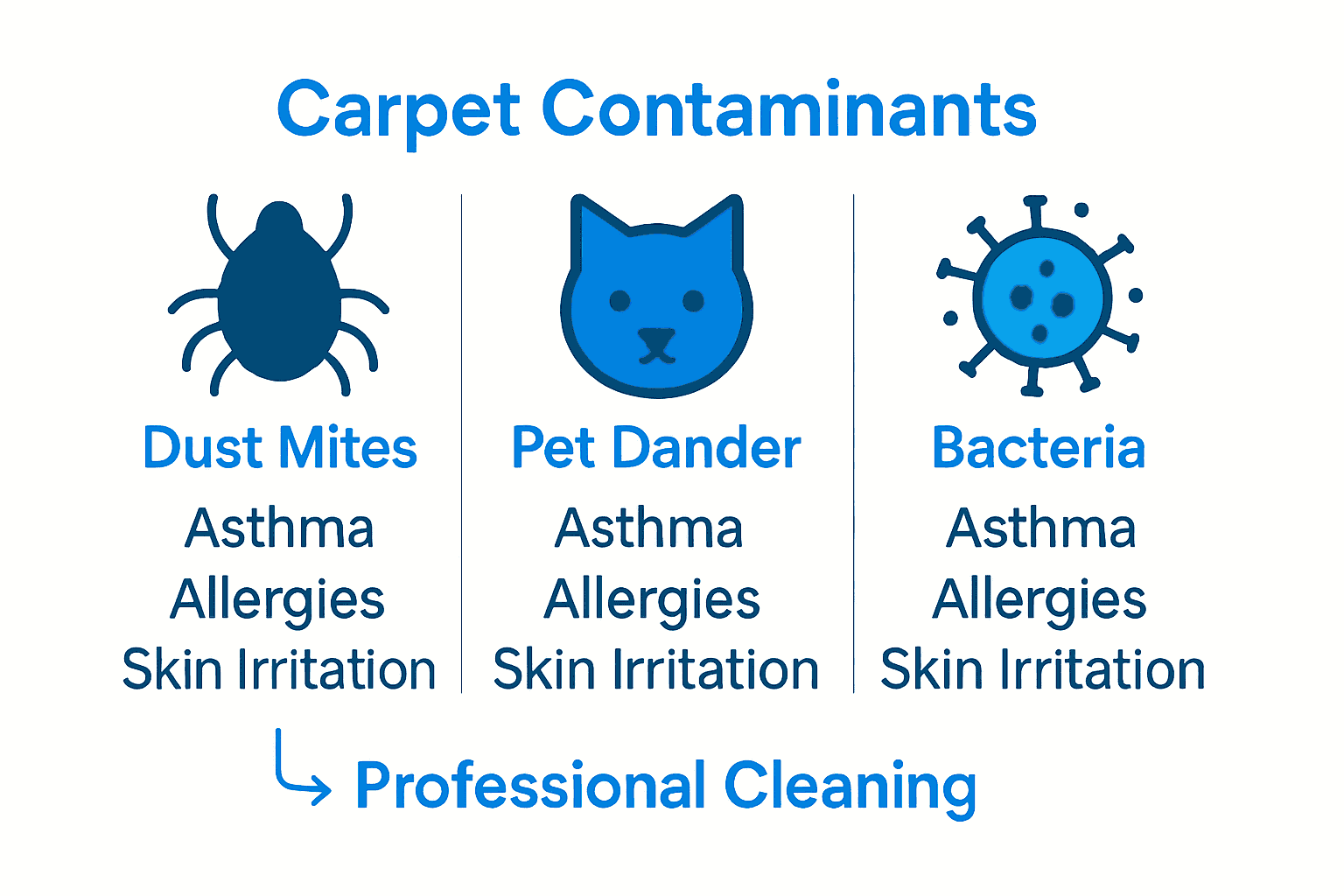
| Contaminant | Main Sources | Health Effects |
|---|---|---|
| Dust mites | Humid carpets Organic debris |
Asthma Skin rashes Allergies |
| Pet dander | Animals Shedding pets |
Allergic reactions Respiratory issues |
| Mould & Fungi | Moisture Spills |
Respiratory problems Allergies |
| Bacteria | Food spills Pet accidents |
Infections Asthma Skin irritation |
| Cockroach residues | Pest infestation | Allergies Asthma attacks |
How Dirty Carpets Affect Indoor Air Quality
Indoor air quality is a critical yet often overlooked aspect of home health, particularly in regions like the Yarra Valley where residents spend significant time indoors. According to Australian environmental research, carpets act as complex air filters that can simultaneously trap and release harmful pollutants. In suburbs like Lilydale and Mooroolbark, understanding how dirty carpets compromise air quality becomes crucial for maintaining a healthy living environment.
Carpets are remarkable repositories for a wide range of airborne contaminants. They trap dust, pollen, pet dander, and volatile organic compounds (VOCs) within their dense fibres. When disturbed by walking, vacuuming, or daily activities, these trapped particles become airborne, directly impacting respiratory health. Research indicates that Australians spend over 90% of their time indoors, making the quality of indoor air a significant public health concern. These microscopic particles can trigger allergies, asthma, and potentially contribute to more serious cardiovascular complications.
The accumulation of pollutants in carpet fibres creates a continuous cycle of air quality degradation. Fungi, bacteria, and particulate matter build up over time, transforming carpets from passive floor coverings into active sources of indoor air pollution. Deep carpet cleaning explained offers insights into how professional cleaning can interrupt this harmful cycle, removing embedded contaminants and preventing their re-circulation.
Mitigating indoor air quality risks requires a proactive approach. Regular professional carpet cleaning, strategic ventilation, and understanding the complex interactions between carpet fibres and airborne particles are essential. By recognizing carpets as dynamic environmental filters, homeowners can take meaningful steps to protect their family’s respiratory health and create a cleaner, safer indoor environment.
Vulnerable Groups Impacted By Carpet Contaminants
Some members of our community are significantly more susceptible to the hidden health risks lurking within dirty carpets. In suburbs across the Yarra Valley like Lilydale, Mooroolbark, and Chirnside Park, families with young children, elderly residents, and individuals with compromised immune systems face heightened challenges from carpet-borne contaminants.
Children represent one of the most vulnerable groups, with their developing immune systems making them particularly sensitive to environmental hazards. Australian studies reveal that households with unclean carpets experience 20-30% higher rates of respiratory issues among children. Their proximity to carpeted surfaces during play, combined with less developed respiratory systems, means they absorb a higher concentration of allergens, bacteria, and microscopic pollutants. Infants crawling on carpets are especially at risk, directly exposing their sensitive respiratory tracts to accumulated contaminants.
Elderly individuals and those with pre-existing health conditions face equally significant risks. Weakened immune systems and compromised respiratory functions make these groups more susceptible to infections triggered by carpet-dwelling bacteria and fungi. Asthma sufferers, individuals with chronic respiratory diseases, and people undergoing medical treatments are particularly vulnerable to the microscopic threats embedded in carpet fibres. Family-friendly carpet cleaning tips can provide strategies to mitigate these health risks for vulnerable household members.
People with autoimmune disorders, allergies, and respiratory conditions must be especially vigilant. The accumulation of dust mites, pet dander, mould spores, and bacterial colonies in carpet fibres can trigger severe allergic reactions, asthma attacks, and long-term health complications. Regular professional carpet cleaning becomes not just a cleanliness measure, but a critical health protection strategy for these vulnerable populations.
Effective Cleaning Practices To Reduce Health Risks
Maintaining a healthy home environment requires strategic and thorough carpet cleaning approaches. In suburbs across the Yarra Valley like Lilydale, Mooroolbark, and Chirnside Park, residents face unique challenges in managing carpet hygiene due to varying environmental conditions and household dynamics.
Professional cleaning emerges as the most effective strategy for reducing health risks associated with dirty carpets. Experts recommend comprehensive cleaning treatments at least twice annually, with increased frequency for households with children, pets, or individuals with respiratory sensitivities. These professional interventions go beyond surface-level cleaning, employing specialized techniques that target deep-seated contaminants, dust mites, bacteria, and potential mould growth. Steam cleaning benefits for homes highlight the importance of using advanced cleaning technologies that penetrate carpet fibres effectively.
Home maintenance plays a crucial complementary role in carpet hygiene. Regular vacuuming using high-efficiency particulate air (HEPA) filters can significantly reduce allergen accumulation between professional cleaning sessions. Implementing strategies like removing shoes indoors, using doormats, and addressing spills immediately can dramatically reduce the introduction of contaminants into carpet fibres. Quick spot treatments and routine maintenance create an additional barrier against potential health risks.
Adopting a holistic approach to carpet cleaning involves more than just periodic treatments. It requires understanding the specific needs of your living environment, recognizing potential contamination sources, and implementing preventative measures. By combining professional deep cleaning with consistent home maintenance, residents can create healthier indoor environments that protect their families from the hidden health risks lurking in carpet fibres.
Protect Your Family’s Health With Expert Carpet Cleaning
Are you worried about dust mites, bacteria and stubborn allergens hiding in your carpets? The risks are real, especially in areas like Lilydale, Chirnside Park and Mooroolbark where humidity and daily life can accelerate the build-up of contaminants. Dirty carpets are more than unsightly—they can threaten your indoor air quality and put children, elderly family members, and anyone with allergies at risk. If maintaining a safe and fresh living environment matters to you, it is time to act before hidden threats become long-term health problems.
Yarra Valley Carpet Cleaning specialises in deep steam cleaning, advanced stain removal and eco-friendly solutions that eliminate hidden carpet hazards at the source. Explore more about our work and community services on our Uncategorized Archives – Yarra Valley Carpet Cleaning or visit our main site to learn how we can help safeguard your home’s health. Do not wait for symptoms to appear—book your professional carpet clean today and create a safer, healthier environment for your family.
Frequently Asked Questions
What are the health risks associated with dirty carpets?
Dirty carpets can harbor allergens like dust mites, pet dander, and bacteria, leading to respiratory issues, skin irritations, and long-term health complications.
How do dirty carpets affect indoor air quality?
Dirty carpets trap airborne contaminants such as dust, pollen, and volatile organic compounds (VOCs). When disturbed, these particles can become airborne, negatively impacting respiratory health and indoor air quality.
How often should I have my carpets professionally cleaned?
It is recommended to have carpets professionally cleaned at least twice a year, with more frequent cleaning for homes with children, pets, or individuals with respiratory sensitivities.
What steps can I take to reduce allergens in my carpets?
Regular vacuuming with a HEPA filter, immediate spill clean-up, and using doormats can help reduce allergen accumulation in carpets. Additionally, professional deep cleaning is essential for comprehensive allergen removal.