
Carpets can harbour up to 100,000 dust mite allergens per gram of dust, making them a hidden threat for asthma sufferers. Many homeowners vacuum regularly yet still experience worsening symptoms because standard cleaning methods fail to eliminate embedded allergens. This guide reveals which carpet cleaning techniques genuinely reduce asthma triggers, which products are safe, and how often you need professional intervention to breathe easier at home.
Table of Contents
- Understanding Asthma Triggers In Carpets
- Effective Carpet Cleaning Methods For Asthma
- Safe Products And Practices For Carpet Cleaning
- Recommended Cleaning Frequency And Maintenance
- Common Misconceptions About Carpet Cleaning And Asthma
- Practical Steps For Asthma-Friendly Carpet Cleaning
- Improve Your Home’s Health With Expert Carpet Cleaning
- Frequently Asked Questions
Key takeaways
| Point | Details |
|---|---|
| Carpet allergens | Dust mites, mould spores, and pet dander embed deeply in carpet fibres, triggering asthma attacks. |
| Steam cleaning superiority | Professional steam cleaning removes up to 90% of dust mite allergens, far exceeding vacuuming alone. |
| Product safety matters | Eco-friendly, hypoallergenic detergents reduce chemical irritants that worsen respiratory symptoms. |
| Drying prevents mould | Thorough drying after cleaning stops mould growth, a major asthma trigger in damp carpets. |
| Cleaning frequency | Deep clean carpets every 3 to 6 months, with weekly HEPA-filter vacuuming between professional services. |
Understanding asthma triggers in carpets
Your carpet acts like a trap for microscopic invaders that aggravate asthma. Dust mites thrive in carpet fibres, feeding on dead skin cells and producing allergens that become airborne when you walk across the room. These tiny creatures can exist at densities of up to 100,000 allergens per gram of carpet dust, creating a constant exposure risk for asthma sufferers.
Mould spores present another serious threat, especially in humid climates or poorly ventilated homes. When carpets retain moisture from spills, cleaning, or general humidity, mould colonies establish themselves within 24 to 48 hours. These spores trigger allergic reactions and asthma attacks, particularly in children and sensitive individuals.
Pet dander embeds deeply into carpet backing and padding, persisting for months even after pets no longer live in the home. The proteins in pet saliva, urine, and skin flakes attach to carpet fibres with remarkable tenacity. Regular surface cleaning barely touches these embedded allergens.
The relationship between carpet cleaning and asthma becomes complicated when improper methods introduce new problems. Inadequate drying after wet cleaning creates ideal conditions for mould growth, potentially worsening indoor air quality. Understanding these dynamics helps you choose dust mite removal strategies that truly work.
Key allergen sources in carpets include:
- Dust mite faeces and body fragments that become airborne with foot traffic
- Mould colonies growing in damp carpet backing and padding layers
- Pet dander proteins that bind tightly to synthetic and natural fibres
- Pollen tracked in from outdoors that settles deep within pile structure
- Bacteria and their byproducts that accumulate in high-traffic areas
Effective carpet cleaning methods for asthma
Not all carpet cleaning methods deliver equal results for asthma control. Steam cleaning, also called hot water extraction, stands out as the most effective technique for removing embedded allergens. The combination of high temperature water and powerful extraction removes up to 90% of dust mite allergens, significantly reducing asthma triggers in treated areas.
Vacuuming alone removes only about 20 to 30% of allergens from carpets, and standard vacuums without HEPA filtration can actually worsen air quality by stirring dust and allergens into breathing zones. This explains why many asthma sufferers experience symptoms during and after vacuuming despite their best cleaning efforts.
Dry cleaning methods use minimal moisture and specialised compounds to lift dirt from carpet fibres. While these approaches dry quickly, they typically remove less than 50% of embedded allergens. The compounds used may also leave residues that some asthma sufferers find irritating.
Comparing cleaning methods reveals important tradeoffs:
| Method | Allergen Removal | Drying Time | Best For |
|---|---|---|---|
| Steam cleaning | 85 to 90% | 6 to 12 hours | Maximum allergen reduction |
| Dry cleaning | 40 to 50% | 1 to 2 hours | Quick turnaround needs |
| Standard vacuuming | 20 to 30% | Immediate | Maintenance between deep cleans |
| HEPA vacuuming | 30 to 40% | Immediate | Regular upkeep |
Professional steam cleaning achieves superior results through sustained heat exposure that kills dust mites and powerful suction that removes dead mites, faeces, and other allergens. The process also flushes out trapped pollutants that vacuuming cannot reach.
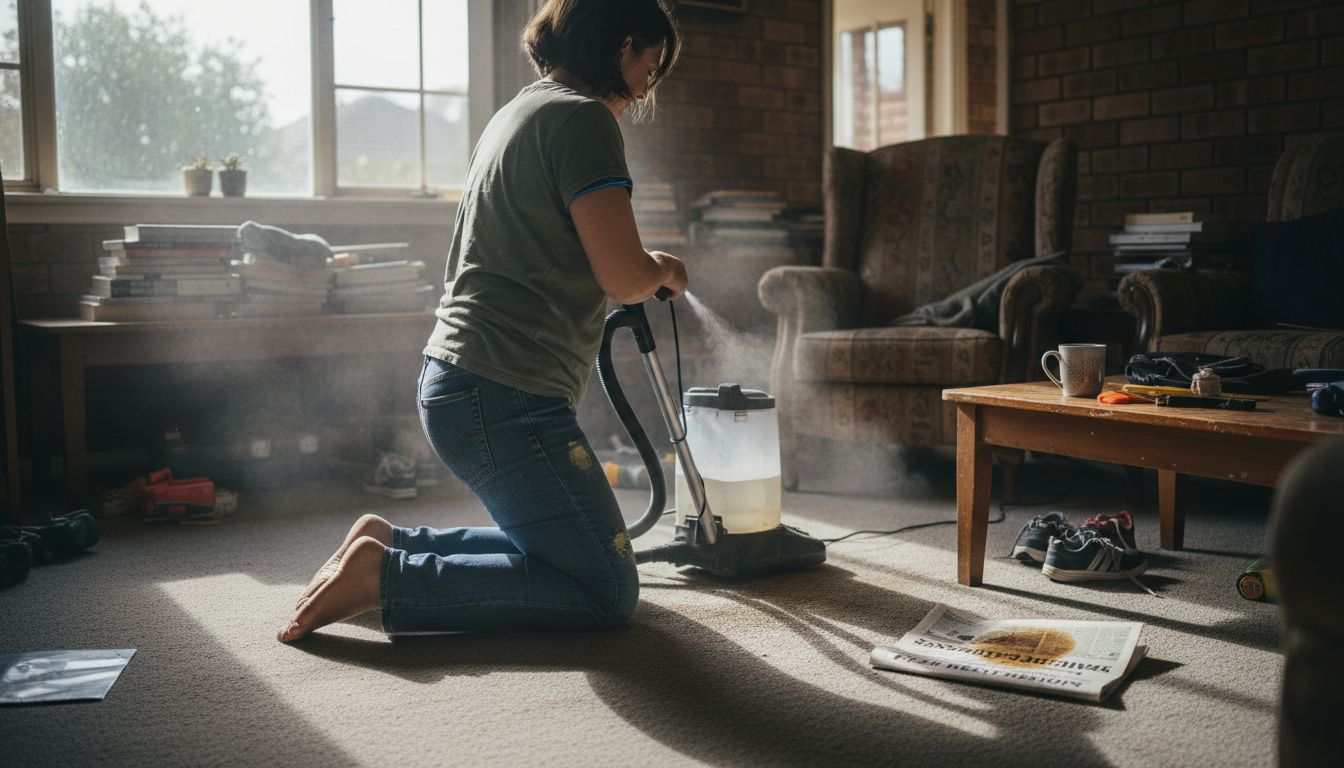
Choosing effective carpet cleaning for asthma relief requires understanding your household’s specific needs. High-traffic homes with pets benefit from more frequent professional cleaning, while single-occupant homes may maintain good air quality with less intensive schedules.
Pro Tip: Always use HEPA-filter vacuums for maintenance between professional cleanings to prevent allergens from becoming airborne and re-contaminating your living space.
The cleaning method you choose directly impacts your family’s respiratory health. Consider severity of asthma symptoms, household occupancy, presence of pets, and local humidity levels when planning your carpet maintenance strategy. Review essential carpet cleaning tips for comprehensive guidance.
Safe products and practices for carpet cleaning
The cleaning products you use matter as much as the method itself. Many conventional carpet cleaners contain harsh chemicals that irritate airways and trigger asthma symptoms in sensitive individuals. Phosphates, synthetic fragrances, and volatile organic compounds commonly found in traditional formulas can linger in carpets for days after cleaning.
Hypoallergenic, eco-friendly detergents offer a safer alternative that cleans effectively without respiratory risks. Green cleaning products reduce chemical irritants compared to conventional harsh chemicals, protecting both immediate air quality and long-term respiratory health.
Proper drying after cleaning prevents the mould growth that transforms freshly cleaned carpets into asthma trigger zones. Carpets must reach complete dryness within 12 to 24 hours to prevent mould spore germination. Professional equipment achieves this timeline consistently, while DIY cleaning often leaves carpets damp for days.
Maintaining low indoor humidity post-cleaning requires active intervention. Open windows when outdoor humidity permits, run fans to increase air circulation, and deploy dehumidifiers in particularly damp rooms. These steps accelerate drying and create an environment hostile to mould growth.
The eco-friendly carpet cleaning process prioritises both cleaning effectiveness and respiratory safety. Plant-based surfactants break down dirt without chemical residues, while biodegradable formulas leave no irritating films on carpet surfaces.
Safe cleaning practices for asthma-prone homes include:
- Selecting products with asthma-safe certification from recognised health organisations
- Testing new cleaning products on small, inconspicuous carpet areas before full application
- Ensuring adequate ventilation during and after cleaning to disperse any airborne particles
- Avoiding products with artificial fragrances that mask chemical odours rather than eliminating them
- Scheduling cleaning when asthma sufferers can leave the home until carpets fully dry
Pro Tip: Choose certified asthma-safe cleaning products that display logos from Asthma Australia or similar respiratory health organisations to ensure genuine safety for sensitive household members.
Chemical sensitivity varies among asthma sufferers, so what works for one household may irritate another. Start with the mildest effective products and only escalate to stronger formulas if gentler options fail to achieve satisfactory results.
Recommended cleaning frequency and maintenance
Timing your carpet cleaning correctly balances allergen reduction against practical considerations and potential moisture issues. Most asthma specialists recommend professional deep cleaning every 3 to 6 months for optimal symptom control, with frequency adjusted based on household factors.
Over-cleaning without thorough drying creates more problems than it solves. Frequent wet cleaning without adequate drying time encourages mould growth, transforming your allergen-reduction efforts into respiratory health hazards. Quality matters more than quantity when scheduling professional services.
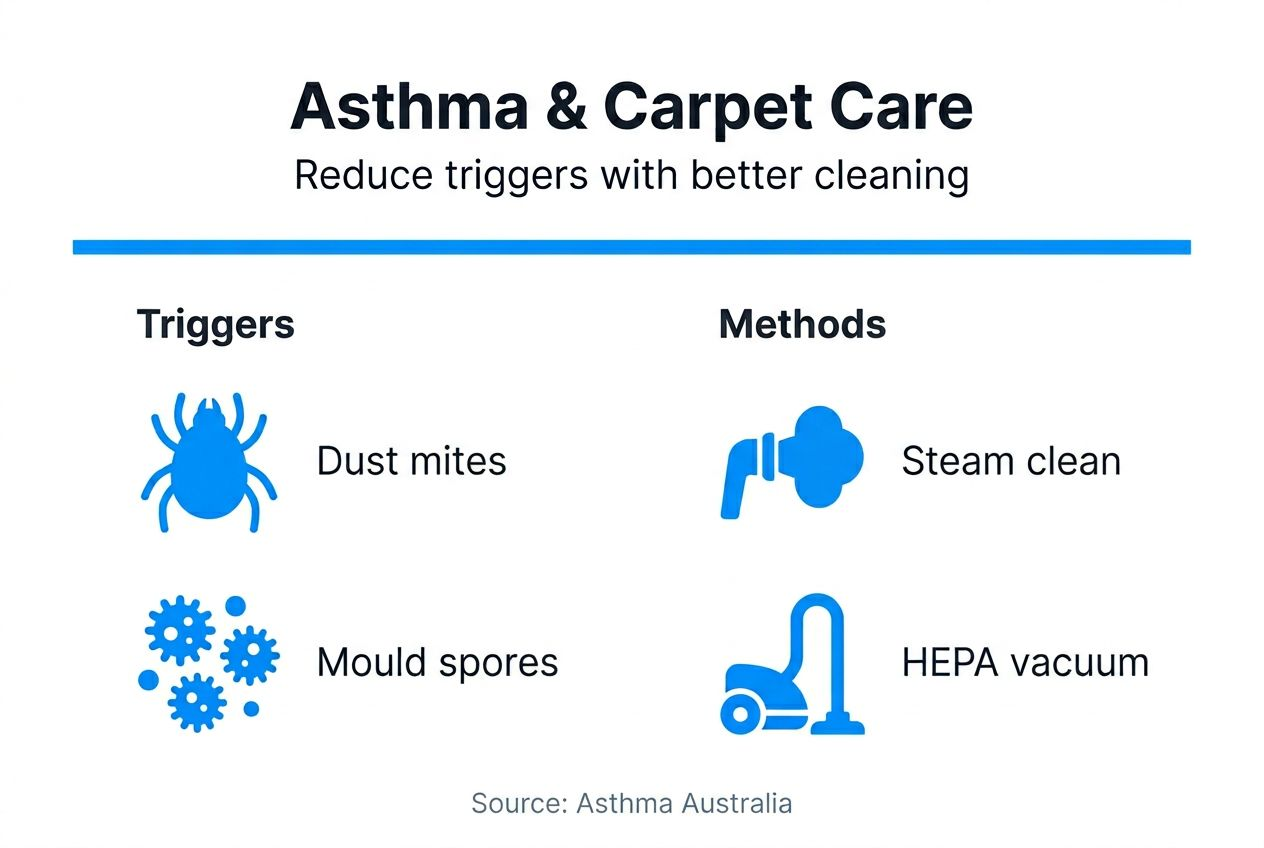
Regular vacuuming with HEPA-filtered equipment between deep cleans maintains the benefits of professional treatment. Vacuum high-traffic areas twice weekly and entire carpeted spaces weekly to remove surface allergens before they embed deeply into fibres.
Establishing a personalised cleaning schedule requires honest assessment of your household conditions. Consider these factors:
- Asthma severity: Moderate to severe cases benefit from quarterly professional cleaning, while mild cases may extend to six-month intervals
- Pet ownership: Homes with shedding animals need more frequent deep cleaning to control dander accumulation
- Household occupancy: Larger families generate more foot traffic and skin cell shedding, accelerating allergen build-up
- Local climate: Humid regions require more frequent cleaning to prevent mould establishment in carpet backing
- Carpet age and quality: Older carpets with worn backing trap more allergens and need more intensive maintenance
Balancing cleanliness with moisture control is critical for asthma management. A damp carpet harbours more asthma triggers than a slightly dusty but thoroughly dry one. Always prioritise complete drying over aggressive cleaning frequency.
The carpet care checklist for Yarra Valley homes provides a structured approach to maintenance that protects respiratory health without overwhelming your schedule. Consistency matters more than perfection in long-term allergen control.
Track your cleaning schedule and asthma symptom patterns to identify the optimal frequency for your specific situation. If symptoms worsen between cleanings, shorten the interval. If carpets remain fresh and symptoms stay controlled, your current schedule is working.
Common misconceptions about carpet cleaning and asthma
Many well-intentioned homeowners follow carpet care advice that actually worsens their asthma symptoms. Understanding these misconceptions helps you avoid ineffective practices and focus effort where it truly matters.
Myth: Vacuuming alone keeps asthma triggers at bay. Reality: Standard vacuuming removes only surface dust and may increase airborne allergens if your vacuum lacks proper filtration. Without HEPA filters, vacuum exhaust redistributes fine particles throughout your home, temporarily worsening air quality for hours after cleaning.
Myth: Steam cleaning always removes all allergens. Reality: Steam cleaning’s effectiveness depends entirely on proper technique and thorough drying. Rushing the process, using inadequate equipment, or failing to extract moisture properly leaves allergens behind and creates mould risks. Professional equipment and training make the difference between genuine allergen reduction and expensive disappointment.
Myth: All chemical cleaning products harm asthma sufferers. Reality: While many conventional products do irritate airways, properly formulated eco-friendly alternatives clean effectively without respiratory risks. Some plant-based surfactants and enzymes break down allergens more thoroughly than harsh chemicals while leaving no irritating residues.
These misconceptions lead homeowners to either over-rely on inadequate methods or avoid beneficial cleaning from unfounded chemical fears. The truth lies in understanding which specific practices and products support respiratory health.
Additional myths worth correcting:
- Believing that removing all carpets is the only solution for severe asthma, when proper maintenance often provides adequate control
- Assuming DIY equipment matches professional results, despite significant differences in suction power and heat generation
- Thinking that more frequent cleaning always improves asthma symptoms, ignoring moisture-related complications from over-cleaning
- Expecting immediate symptom relief after single cleaning, when consistent maintenance over months delivers true benefits
Improving carpet cleaning for air quality in healthier homes requires evidence-based practices rather than common assumptions. Question cleaning advice that sounds too simple or promises miraculous results without addressing moisture management and product selection.
Educating yourself about carpet allergen dynamics empowers better decision-making and more effective asthma management through informed cleaning choices.
Practical steps for asthma-friendly carpet cleaning
Translating knowledge into action requires a systematic approach that addresses every aspect of carpet maintenance for respiratory health. Follow these expert-approved steps to create genuinely healthier indoor environments:
-
Hire professional steam cleaning services for deep allergen removal every 3 to 6 months, ensuring technicians use high-temperature water and powerful extraction equipment specifically designed for allergen elimination.
-
Specify hypoallergenic, eco-friendly detergents during professional cleaning appointments, confirming products carry respiratory health certifications and contain no synthetic fragrances or harsh chemical residues.
-
Ensure carpets achieve complete dryness within 12 to 24 hours after cleaning by deploying fans, opening windows during low-humidity periods, and running dehumidifiers in rooms with poor ventilation.
-
Vacuum thoroughly twice weekly in high-traffic areas and weekly throughout remaining carpeted spaces using HEPA-filter equipped vacuum cleaners that trap fine particles rather than exhausting them back into room air.
-
Establish a realistic cleaning and maintenance schedule tailored to your asthma severity, household size, pet ownership, and local climate conditions, adjusting frequency based on symptom patterns over several months.
-
Monitor indoor humidity levels using inexpensive hygrometers, maintaining readings between 30% and 50% to discourage dust mite reproduction and mould growth in carpet backing and padding.
-
Document your cleaning schedule and asthma symptoms in a simple log to identify patterns and optimise your maintenance approach over time.
Pro Tip: Monitor carpet condition between professional cleanings by checking for musty odours, visible staining, or increased allergy symptoms that signal the need for earlier intervention than your standard schedule.
The carpet cleaning checklist for Yarra Valley homes in 2026 provides detailed guidance for implementing these steps in local climate conditions. Consistency and proper technique matter more than expensive equipment or aggressive cleaning frequency.
Remember that carpet allergen reduction is a marathon, not a sprint. Sustainable practices maintained over months and years deliver far better respiratory health outcomes than occasional intensive cleaning followed by long periods of neglect.
Improve your home’s health with expert carpet cleaning
Professional carpet cleaning significantly reduces asthma triggers when performed correctly with appropriate equipment and products. Local experts in the Yarra Valley specialise in asthma-friendly approaches using eco-safe products and proven steam cleaning methods that remove up to 90% of embedded allergens.
Regular professional service supports long-term symptom relief and cleaner indoor air quality that you can actually feel with each breath. The difference between DIY efforts and professional results becomes obvious within days as respiratory symptoms diminish.
Trusted carpet cleaning services near you offer personalised advice and maintenance schedules tailored to your household’s specific asthma triggers and living conditions. Professional technicians assess your carpet condition, identify problem areas, and recommend realistic cleaning frequencies.
Comprehensive residential carpet cleaning throughout Melbourne East brings professional-grade equipment and expertise directly to your home, eliminating the guesswork and physical effort of DIY approaches. The eco-friendly carpet cleaning process prioritises both cleaning effectiveness and respiratory safety for lasting peace of mind.
Frequently asked questions
How often should I have my carpets professionally cleaned if I have asthma?
Professional carpet cleaning every 3 to 6 months is recommended depending on your asthma severity and household conditions. Homes with pets, children, or multiple occupants benefit from quarterly cleaning, while less busy households may maintain good allergen control with six-month intervals. Regular HEPA-filter vacuuming between professional services is essential for maintaining results.
Are chemical carpet cleaners safe for people with asthma?
Many conventional chemical cleaners irritate asthma symptoms through synthetic fragrances, volatile organic compounds, and harsh residues that linger in carpet fibres. Choosing eco-friendly, hypoallergenic products certified as asthma-safe provides effective cleaning without respiratory risks. Always check product labels for respiratory health certifications from recognised organisations before allowing any cleaning solution in your home.
Can vacuuming alone keep carpets free of asthma triggers?
Vacuuming removes only 20 to 30% of allergens and can stir up dust without proper HEPA filtration, temporarily worsening air quality. Standard vacuums redistribute fine particles through exhaust air, while HEPA-filter models trap these allergens effectively. Frequent professional steam cleaning complements regular vacuuming by removing deeply embedded allergens that surface cleaning cannot reach.
Does steam cleaning make carpets too wet and encourage mould growth?
Properly executed professional steam cleaning with adequate extraction removes most moisture, allowing carpets to dry completely within 12 to 24 hours. Mould growth only occurs when carpets remain damp beyond this window, which happens with DIY equipment lacking sufficient suction power or when technicians rush the extraction process. Professional services using commercial-grade equipment prevent moisture problems through thorough extraction and proper technique.
Recommended
- Effective Carpet Cleaning for Asthma Relief – Yarra Valley Carpet Cleaning
- 7 Expert Carpet Cleaning Tips for Allergies at Home – Yarra Valley Carpet Cleaning
- Carpet cleaning’s role in air quality for healthier homes – Yarra Valley Carpet Cleaning
- 8 Best Carpet Cleaning Tips for Allergies Relief – Yarra Valley Carpet Cleaning
- House Cleaning for Allergies: Steps to Reduce Home Allergens