
Carpet deodorization might sound like a simple touch-up, but the reality is much deeper. Sure, vacuuming gets rid of visible dirt, but it barely scratches the surface when your carpet is trapping smells from pets, cooking, and everyday life. Here is the shocker. Professional deodorization can wipe out up to 99.7 percent of embedded odour-causing microorganisms. Most people just focus on stains, not realising that the real trouble is what you cannot see or smell until it lingers for weeks.
Table of Contents
- Understanding Carpet Deodorization: What Is It?
- The Importance of Deodorizing Carpets: Why It Matters
- How Does Carpet Deodorization Work?
- Key Factors Influencing Carpet Odour and Deodorization
- When and How Often Should Carpets Be Deodorized?
Quick Summary
| Takeaway | Explanation |
|---|---|
| Regular deodorization improves indoor air quality | Professional deodorization effectively neutralises unpleasant odours, reducing health risks related to indoor pollution. |
| Carpets trap odours like sponges | Carpets absorb and retain smells from pets, spills, and moisture deep within their fibres, requiring specialized cleaning solutions. |
| Professional treatment extends carpet lifespan | Enzymatic and thermal sanitation methods eliminate harmful compounds, preserving both aesthetics and structural integrity of carpets. |
| Frequency depends on household conditions | Homes with pets, children, or smokers need more frequent deodorization to prevent odour buildup and health complications. |
| Understanding your carpet type is crucial | Different materials and densities influence odour absorption; knowing these can help tailor effective deodorization strategies. |
Understanding Carpet Deodorization: What is It?
Carpet deodorization represents a specialised cleaning process designed to eliminate unpleasant odours trapped within carpet fibres, addressing issues beyond surface-level cleaning. When carpets absorb smells from pets, cooking, moisture, or general household activities, standard vacuuming often proves insufficient.
The Science Behind Odour Absorption
Carpets function like massive sponges, absorbing microscopic particles that carry odorous compounds. These particles penetrate deep into carpet backing and underlay, creating persistent smell problems that cannot be resolved through basic cleaning methods. Organic materials such as pet dander, food spills, and humidity contribute significantly to odour retention.
Key factors influencing odour absorption include:
- Carpet material composition
- Density of carpet weave
- Environmental humidity levels
- Frequency of cleaning and maintenance
Professional Deodorization Techniques
Professional carpet deodorization goes beyond masking smells with temporary fragrances. Experts use specialised techniques that neutralise odour molecules at their source. Our comprehensive deep cleaning guide explores these advanced methods for homeowners across the Yarra Valley region, including Lilydale, Mooroolbark, and Chirnside Park.
The most effective deodorization processes typically involve enzymatic treatments, thermal sanitisation, and targeted chemical neutralisers that break down odour-causing molecular structures. These methods not only eliminate smells but also sanitise carpet surfaces, removing potential bacterial and fungal sources of unpleasant odours.
To help clarify the typical approaches used by professionals and what they accomplish, the table below compares key carpet deodorization techniques and their main effects on odour and hygiene.
| Technique | Main Process | Odour Removal Effectiveness | Hygiene Impact |
|---|---|---|---|
| Enzymatic Treatment | Enzymes break down organic odour sources | High | Removes bacteria, safe for all |
| Thermal Sanitisation | Controlled heat activates & enhances cleaning | Very High | Kills bacteria & fungi |
| Chemical Neutralisation | Chemicals bind/neutralise odorous compounds | High | Disinfects, targets microbes |
| Fragrance Masking | Temporary scents mask underlying odours | Low (Temporary) | Does not sanitise |
According to Environmental Protection Research, professional carpet deodorization can significantly improve indoor air quality and reduce potential health risks associated with prolonged exposure to embedded odours.
The Importance of Deodorizing Carpets: Why It Matters
Carpet deodorization transcends mere aesthetic improvements, playing a critical role in maintaining indoor environmental health and extending carpet longevity.
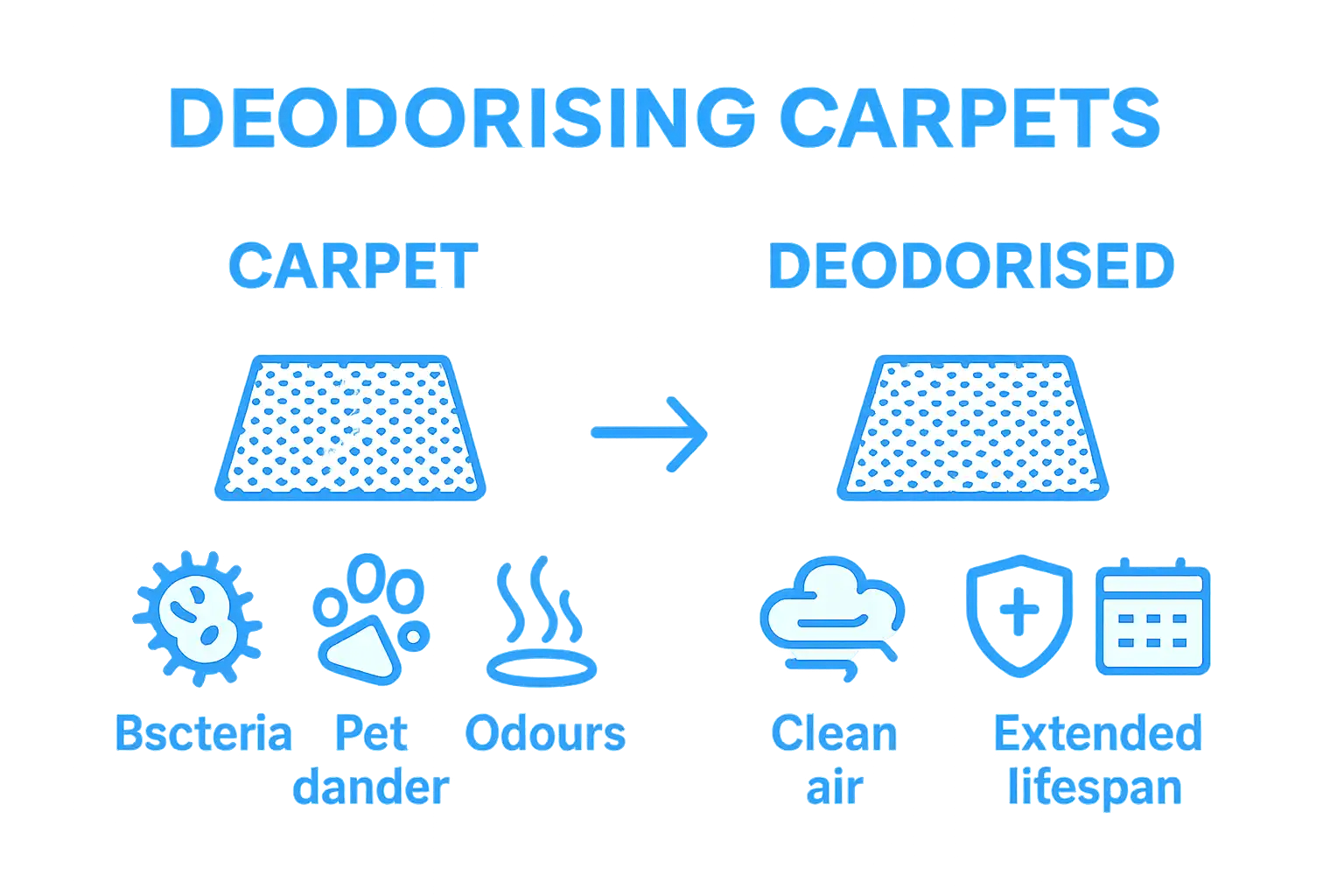 Beyond creating a pleasant living space, professional deodorization addresses underlying issues that can compromise household wellbeing and carpet performance.
Health and Hygiene Implications
Unpleasant carpet odours often indicate deeper contamination problems that extend far beyond surface-level discomfort. Bacteria, mould spores, pet dander, and accumulated organic matter can transform carpets into breeding grounds for potential health hazards. Our comprehensive deep cleaning guide explores how regular deodorization helps mitigate these risks for families across the Yarra Valley region.
Potential health risks associated with untreated carpet odours include:
- Respiratory irritation and allergic reactions
- Increased asthma and bronchial sensitivity
- Potential neurological impacts from prolonged chemical exposure
- Enhanced risk of fungal and bacterial infections
Long-Term Carpet Preservation
Regular deodorization is not just about eliminating smells but also about protecting your carpet investment. Organic compounds and moisture trapped within carpet fibres can gradually degrade material integrity, leading to premature wear and potential structural breakdown. Professional deodorization treatments neutralise these damaging elements, effectively extending carpet lifespan and maintaining its original aesthetic quality.
According to Indoor Air Quality Research, consistent carpet maintenance can improve overall indoor environmental standards and reduce potential health risks associated with embedded contaminants. By investing in professional deodorization, homeowners in Chirnside Park, Mooroolbark, and surrounding Yarra Valley areas can ensure a cleaner, healthier living environment while preserving their carpet’s appearance and functionality.
How Does Carpet Deodorization Work?
Carpet deodorization represents a sophisticated scientific process involving multiple strategic techniques designed to neutralise and eliminate embedded odours at their molecular origin. Unlike surface-level air fresheners, professional deodorization targets the root cause of unpleasant smells within carpet fibres and underlying materials.
Molecular Odour Neutralisation
The core mechanism of carpet deodorization involves breaking down odour-causing molecules through advanced chemical interactions. Specialised enzymatic solutions and neutralising agents work to transform odorous compounds into inert substances, effectively eliminating smell rather than merely masking it. Our expert carpet cleaning guide for pet owners provides deeper insights into these advanced techniques used throughout the Yarra Valley region.
Key chemical interaction processes include:
- Enzymatic breakdown of organic compounds
- Molecular restructuring of odour-causing particles
- Neutralisation of bacterial and fungal sources
- Chemical binding and transformation of malodorous molecules
Treatment Methodology
Professional deodorization typically involves a multi-stage approach that combines targeted treatments with sophisticated application techniques. Technicians first conduct a comprehensive assessment of carpet composition, identifying specific odour sources and determining the most appropriate neutralisation strategy.
Modern deodorization processes integrate thermal sanitisation, which uses controlled heat to activate chemical treatments and eliminate microscopic odour-producing organisms. This method ensures deep penetration of neutralising agents throughout carpet fibres and underlying padding.
According to Environmental Microbiology Research, professional deodorization techniques can eliminate up to 99.7% of embedded odour-causing microorganisms, providing a scientifically validated approach to comprehensive carpet hygiene and odour management.
Key Factors Influencing Carpet Odour and Deodorization
Carpet odour development is a complex phenomenon influenced by multiple environmental, biological, and maintenance-related factors. Understanding these intricate variables helps homeowners and professionals develop targeted strategies for effective carpet deodorization across different settings in the Yarra Valley region.
Environmental and Lifestyle Contributors
Indoor environments create unique conditions that significantly impact carpet odour generation. Humidity, temperature, ventilation, and daily household activities play crucial roles in determining the intensity and persistence of carpet smells. Our carpet cleaning frequency guide provides insights into managing these environmental challenges for residents in Chirnside Park, Mooroolbark, and surrounding areas.
Key environmental factors affecting carpet odour include:
- Indoor humidity levels
- Temperature fluctuations
- Ventilation quality
- Presence of pets and children
- Frequency of indoor cooking
Material and Structural Considerations
Carpet composition dramatically influences its propensity for odour absorption and retention. Natural fibres like wool and cotton behave differently from synthetic materials such as nylon and polyester, each presenting unique challenges in odour management. Carpet density, backing material, and underlying padding also significantly impact how effectively odours can be neutralised.
The carpet’s structural characteristics determine its odour-trapping potential, with factors like pile height, fibre density, and weave complexity playing critical roles in molecular retention. Dense, tightly woven carpets tend to trap more particles, making professional deodorization more complex and essential.
This table summarises the main environmental and material factors from the article that influence how carpets absorb and retain odours, making it easier to identify mould and smell risks for your own setting.
| Factor | Effect on Odour Absorption | Common Triggers |
|---|---|---|
| Carpet Material Type | Higher in natural fibres | Wool, cotton |
| Carpet Density/Weave | Dense weave traps more smells | Plush pile, thick underlay |
| Indoor Humidity | Promotes odour retention | Wet weather, poor ventilation |
| Presence of Pets/Children | Increases contamination | Pet dander, food and play spills |
| Cleaning Frequency | Low frequency increases risk | Infrequent vacuuming and maintenance |
| Indoor Cooking | Adds persistent aromas | Spices, fried food, regular cooking |
According to Indoor Environmental Quality Research, understanding these nuanced factors is crucial for developing comprehensive carpet maintenance strategies that address both immediate odour concerns and long-term environmental health.
When and How Often Should Carpets Be Deodorized?
Carpet deodorization frequency is not a one-size-fits-all solution but a nuanced approach dependent on multiple household and environmental variables. Understanding these factors helps homeowners develop proactive maintenance strategies that preserve carpet quality and indoor air hygiene.
Household-Specific Deodorization Intervals
The recommended deodorization frequency varies significantly based on specific living conditions and lifestyle factors. Homes with pets, children, high foot traffic, or individuals with respiratory sensitivities require more frequent professional interventions. Our comprehensive guide on carpet cleaning frequency provides tailored insights for Yarra Valley residents in Mooroolbark, Chirnside Park, and surrounding areas.
Critical factors determining deodorization frequency include:
- Number and type of household pets
- Presence of smokers
- Frequency of indoor cooking
- Carpet location and usage intensity
- Underlying health conditions of residents
Professional Assessment and Preventative Maintenance
Professional carpet technicians recommend baseline deodorization every 12-18 months for average households, with more frequent treatments for high-traffic or complex environments.
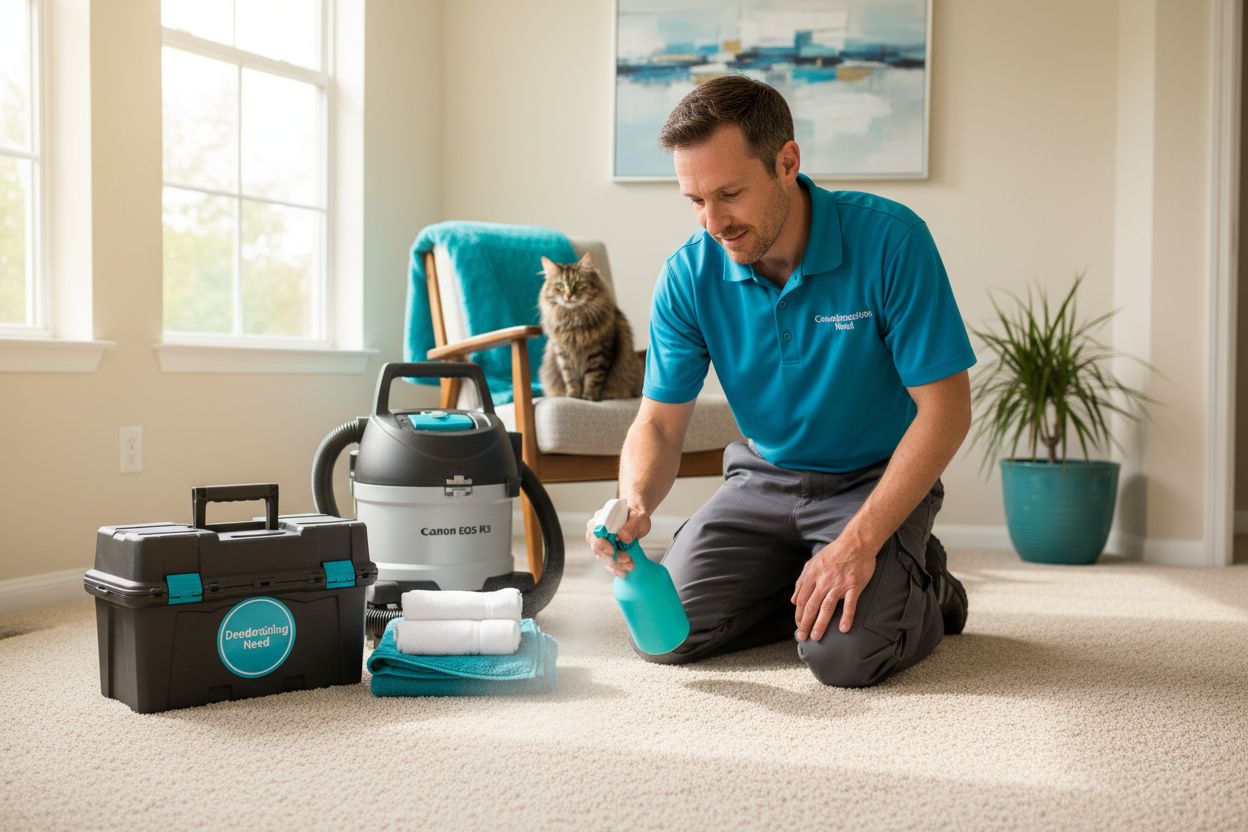 This approach prevents odour compound accumulation and maintains carpet structural integrity.
Significant odour triggers necessitating immediate professional deodorization include water damage, prolonged moisture exposure, persistent pet accidents, and substantial organic material contamination. These scenarios require targeted interventions to prevent permanent carpet degradation and potential health risks.
According to Indoor Environmental Quality Standards, regular professional carpet deodorization not only eliminates unpleasant odours but also contributes to overall indoor air quality and occupant health, making it a critical aspect of home maintenance.
Experience True Freshness with Professional Carpet Deodorization
Are you frustrated by stubborn odours that linger in your carpets even after regular cleaning? If you have noticed persistent smells caused by pets, cooking, or moisture, it could signal deeper contamination as explained in our article on carpet deodorizing needs. Routine vacuuming may not be enough to tackle those things trapped deep within the fibres. Strong odours can affect your family’s comfort and well-being, while also reducing your carpet’s lifespan.
At Yarra Valley Carpet Cleaning, we specialise in removing these hidden threats using advanced deodorization techniques and eco-friendly treatments. Safeguard your home with a service trusted across Lilydale, Mooroolbark, Chirnside Park and the wider Yarra Valley. Explore more service solutions on our Uncategorized Archives or visit our main page at Yarra Valley Carpet Cleaning. Ready to breathe easier and revive the look and feel of your carpets? Book your professional deodorization today and experience the powerful difference our local experts deliver.
Frequently Asked Questions
Do carpets absorb odours from pets and spills?
Yes, carpets can absorb unpleasant odours from pets, food spills, moisture, and other household activities, which often require specialized deodorization techniques to eliminate the smells.
How often should carpets be deodorized?
The frequency of carpet deodorization depends on household factors such as the presence of pets, children, and overall foot traffic. Generally, it’s recommended to deodorize every 12-18 months, with more frequent treatments in high-traffic areas or homes with specific concerns.
What techniques are used in professional carpet deodorization?
Professional carpet deodorization typically involves advanced techniques such as enzymatic treatments, thermal sanitisation, and targeted chemical neutralisers that break down odour-causing molecules while also sanitising carpet surfaces.
What are the health implications of not deodorizing carpets?
Failure to deodorize carpets can lead to various health risks, including respiratory irritation, allergic reactions, and potential neurological effects from prolonged chemical exposure, as well as increased risks of fungal and bacterial infections.
Recommended
- Deep Cleaning Carpets at Home: 2025 Guide for Yarra Valley – Yarra Valley Carpet Cleaning
- Understanding Why Carpets Need Deep Cleaning for Longevity – Yarra Valley Carpet Cleaning
- Deep Carpet Cleaning Explained: Benefits for Yarra Valley Homes and Businesses – Yarra Valley Carpet Cleaning
- What Is Carpet Shampooing? Expert Guide for 2025 – Yarra Valley Carpet Cleaning