
Steam cleaning and dry cleaning sound like simple choices for keeping clothes and carpets fresh. The thing is, most folks do not realise that steam cleaning can kill up to 99.9% of bacteria and dust mites using just hot water and zero chemicals. Forget the idea that all cleaning methods are hard on the environment. One of these approaches can actually help protect both your health and the places you care about most.
Table of Contents
- What Is Steam Cleaning And How Does It Work?
- What Is Dry Cleaning And Its Unique Process?
- Why Choosing Between Steam And Dry Cleaning Matters?
- Comparative Effectiveness For Various Fabrics And Stains
- Environmental And Health Considerations In Cleaning Methods
Quick Summary
| Takeaway | Explanation |
|---|---|
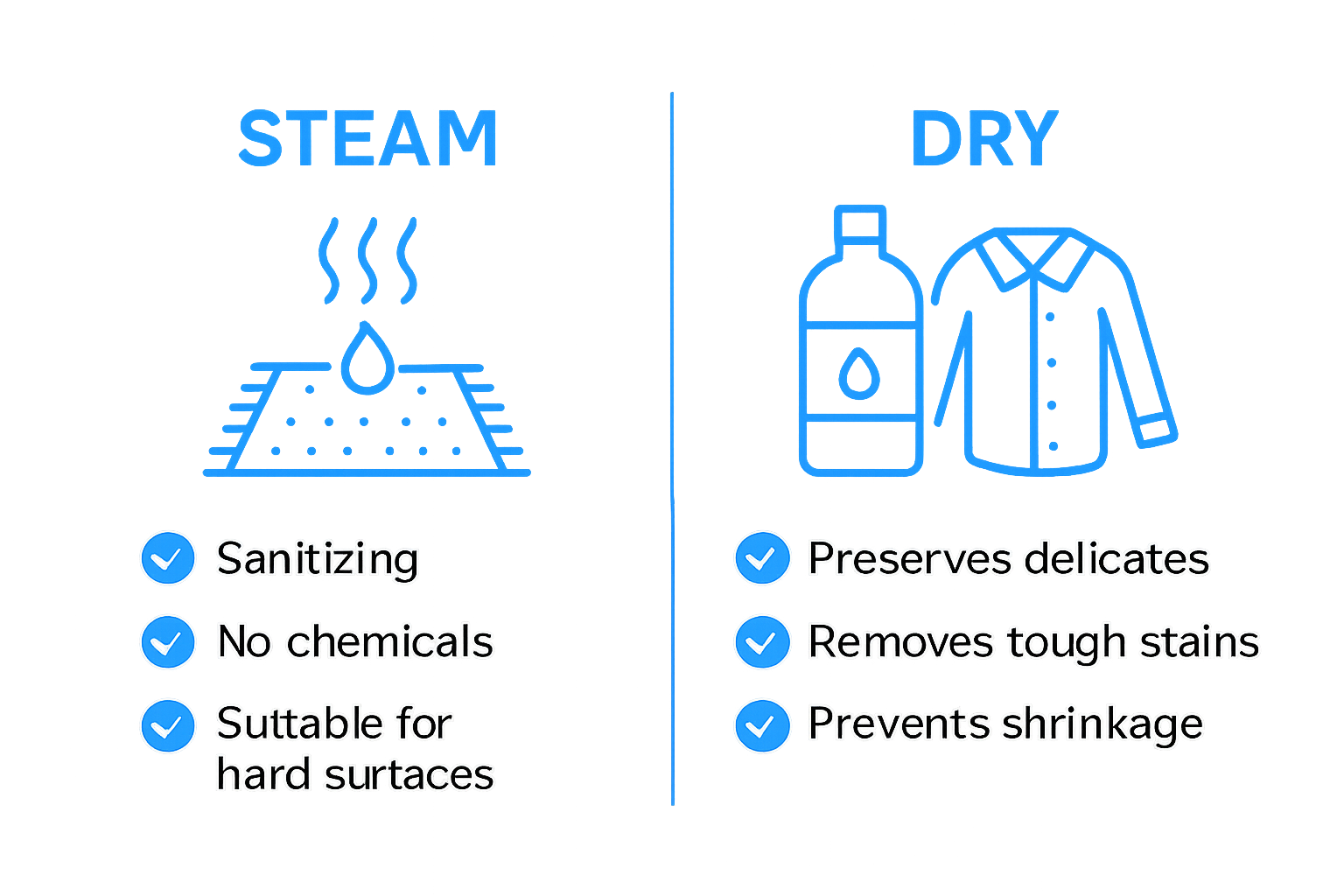
| Steam cleaning sanitises without chemicals | Utilises high-temperature steam to eliminate bacteria and dirt effectively, making it safe for most surfaces. |
| Dry cleaning preserves delicate fabrics | Uses chemical solvents to clean sensitive materials, ensuring their shape, colour, and texture remain intact. |
| Choose cleaning based on fabric type | Different fabrics require specific methods; steam for durable surfaces and dry for delicate textiles. |
| Consider environmental impact of cleaning | Steam cleaning has a lower ecological footprint, while dry cleaning involves chemical solvents that may harm the environment. |
| Target specific stains with appropriate methods | Identify stains beforehand; dry cleaning works best for grease, whereas steam cleaning is effective for organic stains. |
What is Steam Cleaning and how does it work?
Steam cleaning represents an innovative cleaning technique that harnesses the power of high-temperature water vapour to sanitise and refresh surfaces across homes and businesses in the Yarra Valley. Unlike traditional cleaning methods, steam cleaning eliminates the need for harsh chemical agents by utilising pure water heated to extremely high temperatures.
The Science Behind Steam Cleaning
The fundamental principle of steam cleaning involves transforming water into a powerful cleaning agent through intense heat. When water is heated beyond 100 degrees Celsius, it becomes superheated steam capable of penetrating deep into fabric fibres, carpet layers, and surface pores. This high-temperature steam effectively breaks down dirt, grime, and bacteria without requiring additional cleaning solutions.
Key characteristics of steam cleaning include:
- Kills up to 99.9% of common household bacteria and dust mites
- Requires no additional chemical cleaning agents
- Environmentally friendly and safe for most surfaces
Practical Applications in the Yarra Valley
In areas like Lilydale, Mooroolbark, and Chirnside Park, steam cleaning has become increasingly popular for residential and commercial spaces. From carpet restoration to upholstery sanitisation, the technique offers a deep-cleaning solution that goes beyond surface-level cleaning. Discover our comprehensive steam cleaning process for homes and businesses across the Yarra Valley.
According to Queensland Government health guidelines, steam cleaning provides an effective method for sanitising surfaces by using heat to destroy pathogens, making it an excellent choice for maintaining hygienic environments.
What is Dry Cleaning and its unique process?
Dry cleaning is a sophisticated textile care method designed to clean delicate fabrics and garments that cannot withstand traditional water-based washing techniques.
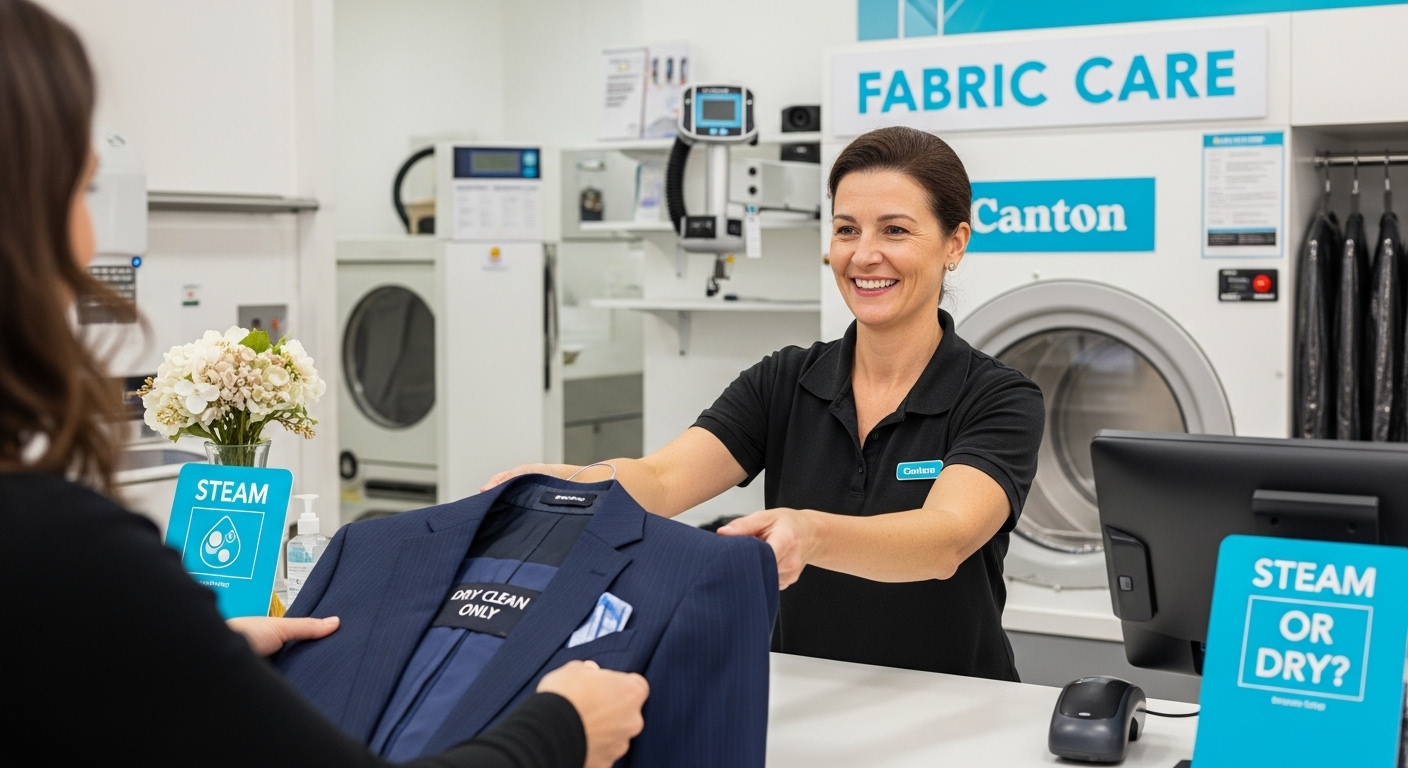 Unlike standard laundry processes, dry cleaning uses specialised chemical solvents to remove dirt, stains, and odours while preserving the integrity and appearance of sensitive materials.
The Chemistry of Dry Cleaning
The core difference between dry cleaning and conventional washing lies in its cleaning agent. Instead of water, dry cleaners utilise perchloroethylene (commonly called “perc”), a powerful solvent that effectively dissolves grease, oil, and stubborn stains without causing fabric damage. This unique solvent penetrates fabric fibres, lifting contaminants while maintaining the garment’s original shape, colour, and texture.
Key characteristics of dry cleaning include:
- Preserves delicate fabrics like silk, wool, and structured garments
- Removes tough stains more effectively than water-based cleaning
- Prevents shrinkage and colour fading in sensitive materials
Applications in the Yarra Valley
In areas like Lilydale, Mooroolbark, and Chirnside Park, dry cleaning services play a crucial role in maintaining professional wardrobes, wedding attire, and specialty garments. From business suits to vintage clothing, learn more about our professional textile care services that ensure your most treasured garments receive expert treatment.
According to the Australian Bureau of Statistics classification of professional services, dry cleaning is a specialised service that requires technical expertise in fabric care and chemical treatment.
Below is a side-by-side comparison table outlining the key characteristics and differences between steam cleaning and dry cleaning, to help clarify how each method works and their optimal uses.
| Feature/Aspect | Steam Cleaning | Dry Cleaning |
|---|---|---|
| Cleaning Agent | Water (superheated steam) | Chemical solvent (usually perchloroethylene) |
| Main Advantage | Kills up to 99.9% of bacteria and dust mites without chemicals | Preserves delicate fabrics, effective on grease stains |
| Best Suited For | Robust fabrics, carpets, upholstery, hard surfaces | Delicate textiles, silk, wool, structured garments |
| Stain Removal Strength | Effective against organic stains (mud, food, allergens) | Effective against grease and oil-based stains |
| Environmental Impact | Minimal, uses only water and heat | Potentially harmful solvents, possible emissions |
| Impact on Fabric | Low risk for most surfaces, may cause water damage on sensitive materials | No water damage, but chemical exposure possible |
| Health/Safety Considerations | No harmful residues, good for indoor air quality | Chemical exposure can affect health and indoor air |
Why choosing between Steam and Dry Cleaning matters?
Selecting the appropriate cleaning method is crucial for maintaining the quality, longevity, and appearance of different fabrics and surfaces. The decision between steam cleaning and dry cleaning depends on multiple factors, including fabric type, material sensitivity, and specific cleaning requirements.
Fabric Protection and Preservation
Each cleaning technique offers unique advantages that directly impact the preservation of your textiles. Steam cleaning works best for robust, durable fabrics like carpets, upholstery, and heavily soiled surfaces, providing deep sanitisation without chemical residues. Dry cleaning, conversely, specialises in delicate materials such as silk, wool, and structured garments that might shrink or become damaged with water-based treatments.
Key considerations when selecting a cleaning method include:
- Fabric composition and sensitivity
- Presence of specific stains or contaminants
- Desired level of sanitisation and deep cleaning
- Potential for colour preservation and fabric integrity
Environmental and Health Implications
Beyond fabric care, your cleaning method choice has broader environmental and health consequences. Learn more about sustainable cleaning techniques in the Yarra Valley that balance effective cleaning with ecological responsibility. Steam cleaning stands out as an environmentally friendly option, using only water and heat, while dry cleaning traditionally relies on chemical solvents that may have potential environmental impacts.
According to the Australian Department of Climate Change, Energy, the Environment and Water, certain dry cleaning solvents can contribute to environmental emissions, making it essential to consider the ecological footprint of your chosen cleaning method.
Comparative effectiveness for various fabrics and stains
Understanding the precise cleaning requirements for different fabrics and stains is essential to maintaining their quality, appearance, and longevity.
Steam cleaning and dry cleaning offer distinct approaches to textile care, each with unique strengths in addressing specific fabric types and contamination challenges.
Fabric Type Considerations
Delicate fabrics such as silk, wool, and structured garments demand specialised care that minimises potential damage. Dry cleaning excels in these scenarios, using gentle chemical solvents that effectively remove stains without compromising fabric integrity. Conversely, robust materials like carpet, upholstery, and heavy-duty textiles benefit immensely from steam cleaning’s deep penetrative heat, which sanitises and removes embedded dirt without additional chemical treatments.
Key fabric and stain effectiveness factors include:
- Fabric fiber composition
- Stain origin and chemical structure
- Temperature and moisture sensitivity
- Potential for colour or texture alteration
Stain Removal Performance
Different stain types require targeted cleaning strategies. Explore our comprehensive guide to fabric-specific stain removal techniques to understand how steam and dry cleaning methods address various contamination challenges. Grease-based stains respond particularly well to dry cleaning’s solvent-based approach, while organic stains like mud, food, and biological materials often yield better results with steam cleaning’s high-temperature treatment.
According to RMIT University research, repeated cleaning processes can significantly impact fabric properties, underscoring the importance of selecting the most appropriate cleaning method for each specific textile.
This table summarises the suitability of steam cleaning and dry cleaning methods according to different fabric types and common stains, to assist you in making an informed decision.
| Fabric/Stain Type | Steam Cleaning Suitability | Dry Cleaning Suitability |
|---|---|---|
| Silk, wool, delicate garments | Not recommended | Highly recommended |
| Carpets, upholstery | Highly recommended | Not typical use |
| Structured garments | Not advised | Highly recommended |
| Heavy-duty textiles | Highly recommended | Not typical use |
| Grease/oil stains | Moderately effective | Highly effective |
| Organic stains (e.g. mud, food) | Highly effective | Moderately effective |
| Risk of shrinkage | Low for robust fabrics | Low for most fabrics |
Environmental and health considerations in cleaning methods
Cleaning methods extend beyond surface appearance, encompassing significant environmental and health implications that impact both individual households and broader ecological systems. The choice between steam and dry cleaning involves careful consideration of potential chemical exposures, energy consumption, and long-term sustainability.
Chemical Exposure and Indoor Air Quality
Dry cleaning traditionally relies on chemical solvents like perchloroethylene, which can potentially compromise indoor air quality and pose health risks. These volatile organic compounds (VOCs) may trigger respiratory issues, skin sensitivities, and long-term environmental contamination. Steam cleaning emerges as a more environmentally conscious alternative, utilising pure water and heat to sanitise surfaces without introducing additional chemical agents.
Key environmental and health considerations include:
- Potential chemical residue on cleaned surfaces
- Impact of cleaning agents on indoor air quality
- Long-term health implications of repeated chemical exposure
- Energy consumption and carbon footprint of cleaning methods
Sustainable Cleaning Practices
Discover our commitment to eco-friendly cleaning solutions that prioritise both effective cleaning and environmental responsibility. Steam cleaning represents a more sustainable approach, consuming minimal resources and eliminating the need for harsh chemical treatments. By leveraging high-temperature water vapour, this method effectively sanitises surfaces while minimising ecological impact.
According to the Australian Government Department of Climate Change, Energy, the Environment and Water, certain cleaning solvents contribute significantly to environmental emissions, underscoring the importance of selecting cleaning methods with reduced environmental footprints.
Unsure Whether Steam or Dry Cleaning is Best For You? We’re Here to Help
Choosing between steam and dry cleaning can be confusing, especially when you want to protect your fabrics, get rid of stubborn stains, and maintain a healthier home. As explained in the article, each method works differently on specific fabrics, stains, and health concerns. These decisions matter for your family’s comfort and the life of your furnishings. You may be wondering if your carpets need deep steam cleaning for hygiene, or if your precious upholstery needs a gentler touch. Many people feel uncertain about what approach will actually deliver the clean and freshness they want — without damaging delicate materials or harming the environment.
Let the local experts at Yarra Valley Carpet Cleaning take the stress out of cleaning decisions. Our trusted, family-owned team uses advanced steam cleaning powered by eco-friendly products to treat stains, odours, and restore your carpets and upholstery throughout Lilydale, Croydon, and all of Yarra Valley. We carefully match our methods to your textile needs, so you can enjoy spotless, healthy results every time. Want to know which cleaning method is safest for your home and fabrics? Visit Yarra Valley Carpet Cleaning for professional advice or reach out today for a tailored quote. Your solution to a cleaner, safer home is just a click away — get in touch now and see the local results for yourself.
Frequently Asked Questions
What is steam cleaning?
Steam cleaning is a cleaning method that uses high-temperature water vapour to sanitise and refresh surfaces. It breaks down dirt, grime, and bacteria without the need for harsh chemicals.
How does dry cleaning work?
Dry cleaning is a textile care method that uses specialised chemical solvents, instead of water, to remove stains, dirt, and odours from delicate fabrics while preserving their integrity and appearance.
What are the main differences between steam cleaning and dry cleaning?
The main differences include cleaning agents used—steam cleaning uses only water, while dry cleaning uses chemical solvents. Additionally, steam cleaning is ideal for robust fabrics, whereas dry cleaning is preferred for delicate materials that could be damaged by water.
Are there any health or environmental concerns associated with dry cleaning?
Yes, dry cleaning typically relies on chemical solvents, which can affect indoor air quality and pose health risks. In contrast, steam cleaning is more environmentally friendly, using only water and heat, making it safer for indoor environments.
Recommended
- How Steam Cleaning Works: A Practical Guide for Homes and Businesses – Yarra Valley Carpet Cleaning
- Steam Cleaning vs Dry Cleaning: Best Options for Yarra Valley in 2025 – Yarra Valley Carpet Cleaning
- Steam Cleaning Process: A Guide for Yarra Valley in 2025 – Yarra Valley Carpet Cleaning
- Steam Cleaning Benefits for Homes and Businesses in 2025 – Yarra Valley Carpet Cleaning