
Asthma triggers love to hide in your carpet and that can turn everyday living in Lilydale or Mooroolbark into a constant battle for clean air. Most people would think a quick vacuum is enough. Yet research shows professional steam cleaning removes far more dust mites and allergens than any regular vacuum could ever reach. Miss this one step and you could be letting invisible enemies control your home’s air quality without ever realising it.
Table of Contents
- Step 1: Identify Asthma Triggers In Your Environment
- Step 2: Choose The Right Carpet Cleaning Method
- Step 3: Prepare Your Space For Cleaning
- Step 4: Execute The Carpet Cleaning Process
- Step 5: Allow Proper Drying And Ventilation
- Step 6: Verify Cleanliness And Air Quality
Quick Summary
| Key Point | Explanation |
|---|---|
| 1. Identify asthma triggers in your environment | Recognise allergens like dust mites and pet dander in carpets to tailor your cleaning approach. |
| 2. Choose professional steam cleaning | This method effectively removes deep-seated allergens, crucial for asthma management, compared to standard vacuuming. |
| 3. Prepare your space properly before cleaning | Clear furniture and protect fixed items to enable comprehensive access and effective allergen removal during cleaning. |
| 4. Ensure effective drying and ventilation after cleaning | Opening windows and using fans prevents moisture-related mould growth, keeping your indoor air quality safe. |
| 5. Verify cleanliness with sensory assessments | Check for odour, carpet texture, and use air quality monitors to confirm effective allergen removal post-cleaning. |
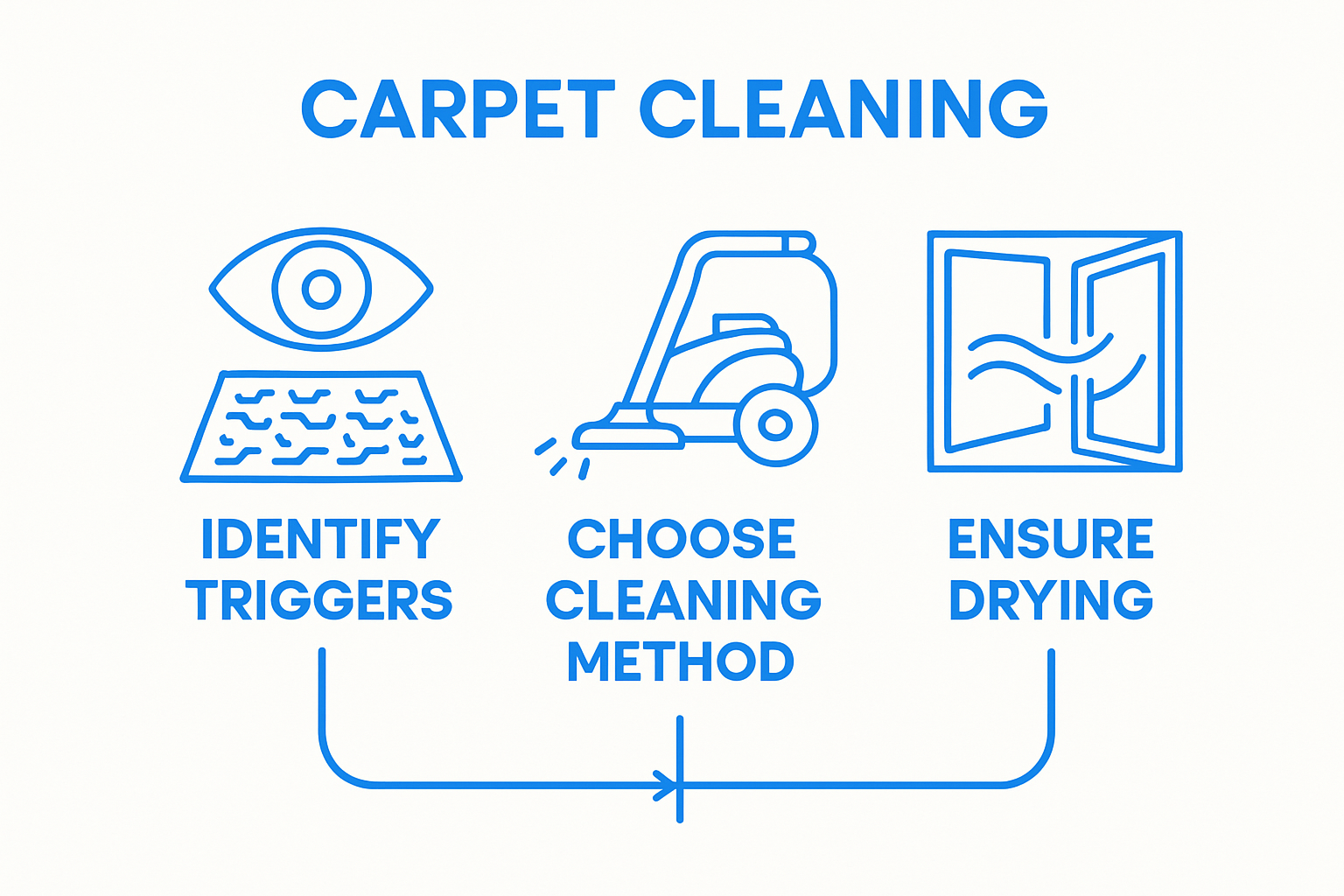
Step 1: Identify Asthma Triggers in Your Environment
Reducing asthma symptoms starts with understanding the microscopic enemies lurking in your carpet and home environment. Identifying these triggers allows you to develop a targeted cleaning strategy that protects your respiratory health. In the Yarra Valley region, where diverse environmental conditions can exacerbate asthma, recognising potential irritants becomes critical.
Carpets are notorious collectors of asthma triggers like dust mites, pet dander, pollen, and microscopic debris that can provoke respiratory reactions. These tiny particles nestle deep within carpet fibres, creating an invisible hazard for individuals with sensitive airways. Professional carpet cleaning becomes more than a cosmetic task it transforms into a strategic health intervention.
To effectively map your home’s asthma landscape, begin with a systematic visual and tactile assessment. Examine your carpets closely in natural light, looking for signs of accumulated dust, discolouration, or subtle texture changes indicating potential allergen buildup. Pay special attention to high traffic areas in rooms like Lilydale and Mooroolbark homes where foot traffic can introduce additional environmental contaminants.
Your inspection should cover multiple dimensions: carpet texture, colour changes, visible dust accumulation, and potential moisture zones that might encourage mould growth. A white cloth pressed against carpet fibres can reveal hidden dust loads. If the cloth shows significant discolouration, this signals a need for comprehensive cleaning.
Consider creating a detailed household trigger map. Our guide on carpet cleaning for allergies provides additional insights into identifying and managing environmental asthma risks. Document areas of concern, noting specific rooms or carpet sections that seem more prone to dust and debris accumulation.
Remember that asthma triggers are not uniformly distributed. Some carpet zones accumulate more allergens based on proximity to windows, doors, or high human and pet traffic. Understanding these nuanced variations allows for a more targeted and effective cleaning approach that addresses your specific environmental challenges.
Step 2: Choose the Right Carpet Cleaning Method
Selecting an appropriate carpet cleaning method transforms your approach from simple surface maintenance to strategic asthma management. Not all cleaning techniques are equal when addressing respiratory health, especially for households in the Yarra Valley where environmental conditions can significantly impact allergen accumulation.
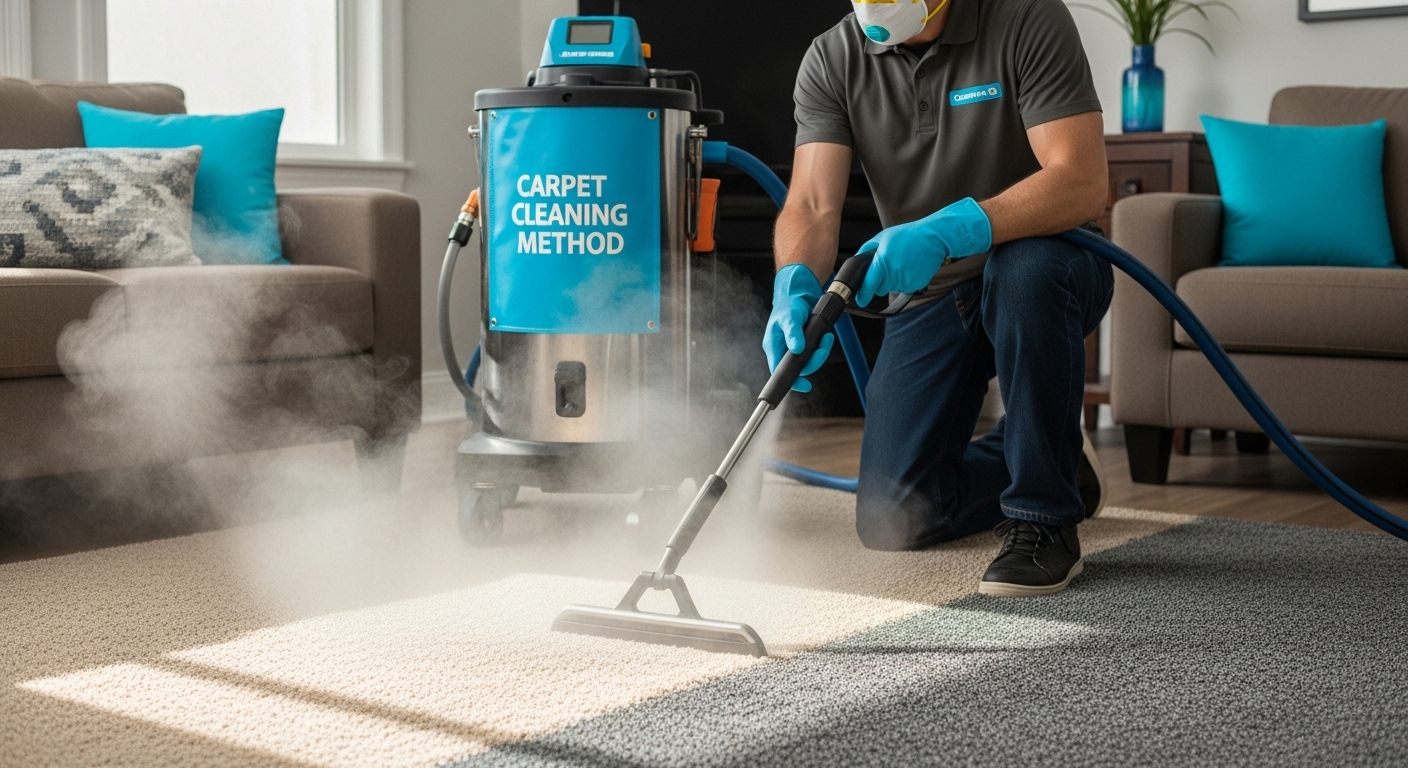
Steam cleaning emerges as the gold standard for asthma sufferers. Hot water extraction penetrates deep into carpet fibres, effectively eliminating dust mites, pet dander, and trapped pollutants that traditional vacuuming cannot reach. Unlike surface-level treatments, professional steam cleaning uses high temperatures that neutralise microscopic allergens, creating a healthier indoor environment.
The process requires precision and professional expertise. Temperature, moisture control, and cleaning solution selection become critical factors. In areas like Lilydale and Mooroolbark, where humidity levels fluctuate, ensuring thorough drying becomes equally important to prevent potential mould growth. Wet carpets can become breeding grounds for additional respiratory irritants if not properly managed.
Learn about our safest carpet cleaning methods to understand how professional techniques differ from standard home cleaning approaches. According to the American Lung Association, annual deep cleaning using professional steam methods significantly reduces indoor air pollutants.
Consider your specific household needs when selecting a cleaning approach. Homes with pets, children, or individuals with severe asthma might require more frequent interventions. Professional carpet cleaners can assess your unique environmental conditions and recommend tailored cleaning schedules that maintain optimal indoor air quality.
Verification of an effective cleaning method involves multiple indicators.
 A noticeable reduction in dust accumulation, improved carpet appearance, and decreased respiratory symptoms are strong signals that your chosen cleaning strategy successfully targets asthma triggers. Pay attention to how your body responds in the weeks following a professional carpet cleaning session a clear measure of the method’s effectiveness.
Step 3: Prepare Your Space for Cleaning
Preparing your space for carpet cleaning is a critical step in creating an asthma-friendly environment. This phase goes beyond simple tidying it involves strategic management of your indoor space to minimise potential allergen disruption and ensure a thorough, effective cleaning process.
Begin by removing all movable furniture from the carpeted areas. In homes across Lilydale and Mooroolbark, this might include coffee tables, chairs, small cabinets, and floor lamps. Clearing the space allows professional cleaners unobstructed access to carpet surfaces, ensuring comprehensive cleaning that reaches every square centimetre. Carefully lifting and relocating items prevents potential damage and allows for a more thorough cleaning approach.
Protective measures become paramount during this preparation stage. Cover remaining fixed items like built-in wardrobes or heavy furniture with clean, plastic drop sheets to shield them from moisture and cleaning solutions. Check out our spring cleaning guide for additional insights into creating an optimal cleaning environment.
According to Asthma Australia, individuals with respiratory sensitivities should consider wearing protective gear during cleaning preparations. This might include disposable gloves, a dust mask, and comfortable clothing that can be easily washed after the cleaning process.
Pay special attention to potential moisture zones. Identify and address any areas of existing dampness or previous water damage, as these can become breeding grounds for mould and additional respiratory irritants. Use a dehumidifier or fan to ensure the space is dry and well-ventilated before professional cleaning begins.
Your preparation checklist should include:
- Removing small objects and breakables from the room
- Clearing pathways for cleaning equipment
- Protecting wall edges and baseboards
- Ensuring adequate ventilation
Successful space preparation transforms your carpet cleaning from a simple maintenance task into a strategic health intervention. A well-prepared space allows professional cleaners to focus entirely on deep cleaning, maximising allergen removal and creating a healthier indoor environment for asthma sufferers.
Step 4: Execute the Carpet Cleaning Process
Executing the carpet cleaning process transforms your strategic preparation into tangible health benefits for asthma sufferers. This critical stage requires precision, attention to detail, and a systematic approach that goes beyond surface-level cleaning.
Professional steam cleaning represents the most effective method for eliminating asthma triggers. The high-temperature water extraction technique penetrates deep into carpet fibres, neutralising dust mites, pet dander, and trapped pollutants that traditional cleaning methods cannot reach. In regions like Lilydale and Mooroolbark, where environmental conditions can exacerbate respiratory challenges, thorough cleaning becomes paramount.
Professional technicians will begin by applying a specialised pre-treatment solution designed to break down stubborn allergen particles. This initial step loosens embedded contaminants, making the subsequent steam cleaning more effective. Explore our comprehensive carpet protection strategies to understand how professional treatments extend beyond immediate cleaning.
According to the National Asthma Council Australia, using high-efficiency equipment is crucial for reducing allergen concentrations. The steam cleaning process typically involves multiple strategic passes:
- Initial hot water extraction to remove loose particles
- Targeted treatment of high-traffic areas
- Systematic cleaning with precise temperature and pressure control
- Final rinse to eliminate remaining cleaning solution residues
Moisture management becomes critical during this process. Professionals will use industrial-grade extraction equipment to ensure carpets are not over-saturated. Excess moisture can create an environment conducive to mould growth, potentially introducing new respiratory risks.
The cleaning process concludes with a comprehensive moisture assessment. Properly cleaned carpets should feel damp but not wet, with professional teams using specialized drying equipment to accelerate the process. This approach minimises downtime and prevents potential secondary contamination, ensuring a clean, safe environment for asthma-sensitive individuals.
Step 5: Allow Proper Drying and Ventilation
Proper drying and ventilation are the final crucial steps in creating an asthma-friendly environment after carpet cleaning. This phase is not merely about waiting for moisture to evaporate it is a strategic process that directly impacts indoor air quality and prevents potential respiratory triggers.
Immediate ventilation becomes your primary defense against moisture-related complications. Open all windows and doors in rooms like those across Lilydale and Mooroolbark, creating cross-ventilation that accelerates drying and removes any residual cleaning solution vapours. Strategically positioned fans can significantly enhance air circulation, reducing potential humidity buildup that might encourage mould growth.
Discover our comprehensive carpet drying guide to understand the nuanced approaches to moisture management. According to WorkSafe ACT, proper ventilation is critical in preventing indoor air contaminants that can trigger respiratory issues.
Timing and technique matter significantly during the drying process. Professional carpet cleaning technicians typically recommend a minimum of 6-8 hours of drying time, though this can vary depending on humidity levels, room temperature, and carpet thickness. In areas with higher humidity, you might need to extend this period and use additional ventilation strategies.
Your drying verification checklist should include:
- Carpet feels cool but not damp to touch
- No musty odours are present
- Minimal to no visible moisture when pressing a white cloth against carpet fibres
- Room humidity feels comfortable and consistent
Additional precautions include avoiding walking on damp carpets and keeping furniture off treated areas until completely dry. This prevents potential re-contamination and ensures the cleaning process maintains its effectiveness. By meticulously managing the drying process, you create an environment that not only looks clean but actively supports respiratory health for asthma sufferers.
Step 6: Verify Cleanliness and Air Quality
Verifying cleanliness and air quality represents the final sentinel checkpoint in your carpet cleaning journey for asthma relief. This critical evaluation ensures that your meticulous cleaning efforts translate into a genuine respiratory-friendly environment, particularly for households in regions like Lilydale and Mooroolbark where environmental conditions can significantly impact indoor air quality.
Visual and sensory assessment forms the first layer of verification. Examine your carpet closely under natural light, looking for signs of residual staining, discolouration, or unexpected texture changes. A clean carpet should display uniform colour, consistent texture, and an absence of musty odours. Professional cleaning should eliminate not just visible dirt but microscopic allergen reservoirs that traditional cleaning methods might overlook.
Explore our comprehensive service selection guide to understand what defines a truly effective cleaning process. According to Asthma Australia, individuals with respiratory sensitivities must be particularly vigilant about post-cleaning environmental conditions.
Advanced verification involves multiple assessment strategies. Consider investing in an indoor air quality monitor that tracks particulate matter, humidity levels, and potential allergen concentrations. These devices provide objective measurements beyond subjective observations, offering peace of mind for asthma sufferers.
Your comprehensive verification checklist should include:
- No residual moisture or dampness in carpet fibres
- Absence of musty or chemical odours
- Consistent carpet colour and texture
- Minimal dust accumulation when running a white cloth across surface
- Comfortable humidity levels between 30-50%
Physiological responses serve as the most telling verification method. Monitor respiratory comfort in the days following carpet cleaning. Reduced coughing, fewer breathing difficulties, and an overall sense of respiratory ease indicate successful allergen removal. By methodically verifying cleanliness and air quality, you transform carpet maintenance from a routine task into a strategic health intervention.
Here is a verification checklist table to help ensure your carpets and indoor air are asthma-friendly after cleaning.
| Verification Step | What to Check | Why It Matters |
|---|---|---|
| No residual moisture | Carpet feels cool, not damp to touch | Prevents mould growth and reduces respiratory risk |
| Absence of musty or chemical odours | No unusual smell present | Signals effective cleaning and moisture management |
| Uniform carpet colour and texture | Consistent appearance throughout | Indicates thorough cleaning and no missed spots |
| Minimal dust on a white cloth | Running a cloth across carpet yields little to no dust | Confirms allergens and dust have been removed |
| Comfortable humidity (30-50%) | Room does not feel humid or stifling | Supports indoor air quality and comfort |
| Improved respiratory comfort | Less coughing, easier breathing post-cleaning | Suggests allergen removal was successful |
Take Control of Asthma Triggers with Professional Carpet Cleaning in the Yarra Valley
If you are worried about hidden dust, allergens or microscopic irritants trapped deep in your carpet, you are not alone. The journey to asthma relief starts by removing these invisible threats and transforming your home into a safer, healthier place. This article highlighted the importance of targeted cleaning, deep steam cleaning methods and careful moisture management so you can breathe easier. But putting these steps into practice takes experience and the right tools.
The team at Yarra Valley Carpet Cleaning understands the real impact asthma can have on your quality of life. Our local experts use advanced steam cleaning to help you eliminate dust mites, pet dander and stubborn pollutants that conventional cleaning cannot touch. If you want cleaner air and an easier time managing asthma symptoms, let us do the hard work for you. Visit our main site to see how our proven service can make a genuine difference. Ready to protect your family’s health? Take the next step now by exploring our most recent tips and services in our Uncategorized cleaning advice section or book your trusted local clean today.
Frequently Asked Questions
What are common asthma triggers found in carpets?
Common asthma triggers in carpets include dust mites, pet dander, pollen, and microscopic debris that can provoke respiratory reactions.
Why is steam cleaning recommended for asthma sufferers?
Steam cleaning is recommended because it effectively penetrates deep into carpet fibres, eliminating allergens and pollutants that traditional vacuuming may miss, thus improving indoor air quality.
How can I prepare my space for carpet cleaning to minimise asthma triggers?
To prepare your space, remove movable furniture, cover fixed items with plastic sheets, ensure good ventilation, and address any existing moisture or dampness before cleaning.
How can I verify the cleanliness of my carpets after professional cleaning?
You can verify cleanliness by checking for uniform colour and texture, ensuring there’s no residual moisture or musty odours, and monitoring your respiratory comfort in the days following the cleaning.
Recommended
- 8 Best Carpet Cleaning Tips for Allergies Relief – Yarra Valley Carpet Cleaning
- Before and After Carpet Cleaning: Stunning Results for Yarra Valley Homes and Businesses 2025 – Yarra Valley Carpet Cleaning
- Benefits of Professional Carpet Cleaning for Yarra Valley Homes & Businesses 2025 – Yarra Valley Carpet Cleaning
- Carpet Cleaning Frequency Guide for Yarra Valley 2025 – Yarra Valley Carpet Cleaning