
Most homeowners believe a quick vacuum keeps carpets clean, yet embedded dirt lurks deep within fibres where standard cleaning can’t reach. Carpet soil extraction tackles this hidden problem by using specialised equipment and techniques to remove allergens, odours, and grime from carpet depths. Understanding how carpet extraction differs from surface cleaning helps you maintain healthier, longer-lasting carpets throughout your home.
Table of Contents
- What Is Carpet Soil Extraction And How Does It Work?
- Types Of Carpet Extractors And Their Uses
- Hot Water Extraction: The Preferred Carpet Soil Extraction Method
- How To Prepare For And Maintain Carpets After Soil Extraction
- Professional Carpet Soil Extraction Services In The Yarra Valley
- How Often Should Carpets Be Professionally Extracted?
Key takeaways
| Point | Details |
|---|---|
| Deep cleaning power | Carpet extractors remove embedded dirt, allergens, and odours that vacuuming alone cannot reach. |
| Hot water extraction leads | Shaw Industries, the largest carpet maker, recommends this method as the most effective approach for maintaining carpets. |
| Proper preparation matters | Vacuuming beforehand removes 89% of surface soil, allowing extraction to focus on deep-embedded contaminants. |
| Multiple extractor types | Portable units suit homes, truck-mounted systems excel in large jobs, and walk-behind models handle high-volume commercial spaces. |
| Health and longevity benefits | Regular extraction improves indoor air quality and extends carpet lifespan by preventing fibre damage from accumulated grit. |
What is carpet soil extraction and how does it work?
Carpet soil extraction is a deep cleaning process that removes dirt, debris, and contaminants trapped within carpet fibres. Unlike vacuuming, which only addresses surface particles, extraction targets embedded soil that accumulates over time from foot traffic, spills, and airborne pollutants.
The process involves several coordinated steps working together. Carpet extractors use heated cleaning solution, agitation, and strong suction to lift and remove contaminants from deep within carpet pile. Pre-treatment loosens stubborn soil and stains. Mechanical agitation then works the cleaning solution into fibres, breaking apart embedded dirt. Hot water injection follows, flushing contaminants to the surface. Finally, powerful suction extracts the dirty solution along with dissolved soil.
This multi-stage approach delivers results far beyond basic cleaning. Carpet soil extraction removes dirt, allergens, and odours that vacuuming cannot address, creating a healthier indoor environment. The heated solution breaks down oils and sticky residues whilst suction pulls them from carpet backing and padding layers.
Key benefits of soil extraction include:
- Elimination of dust mites, pet dander, and other allergens trapped in carpet depths
- Removal of bacteria and odour-causing compounds that resist surface cleaning
- Restoration of carpet appearance by lifting matted fibres and reviving colours
- Prevention of premature wear by removing abrasive grit particles
Pro Tip: Always vacuum thoroughly and spot treat visible stains before scheduling extraction. Removing surface soil first allows the extraction equipment to focus energy on deep-embedded contaminants, maximising cleaning effectiveness and delivering noticeably better results.
Understanding what is carpet extraction helps you recognise when your carpets need more than routine vacuuming. Traffic patterns, visible soiling, and musty odours all signal that embedded dirt requires professional attention.
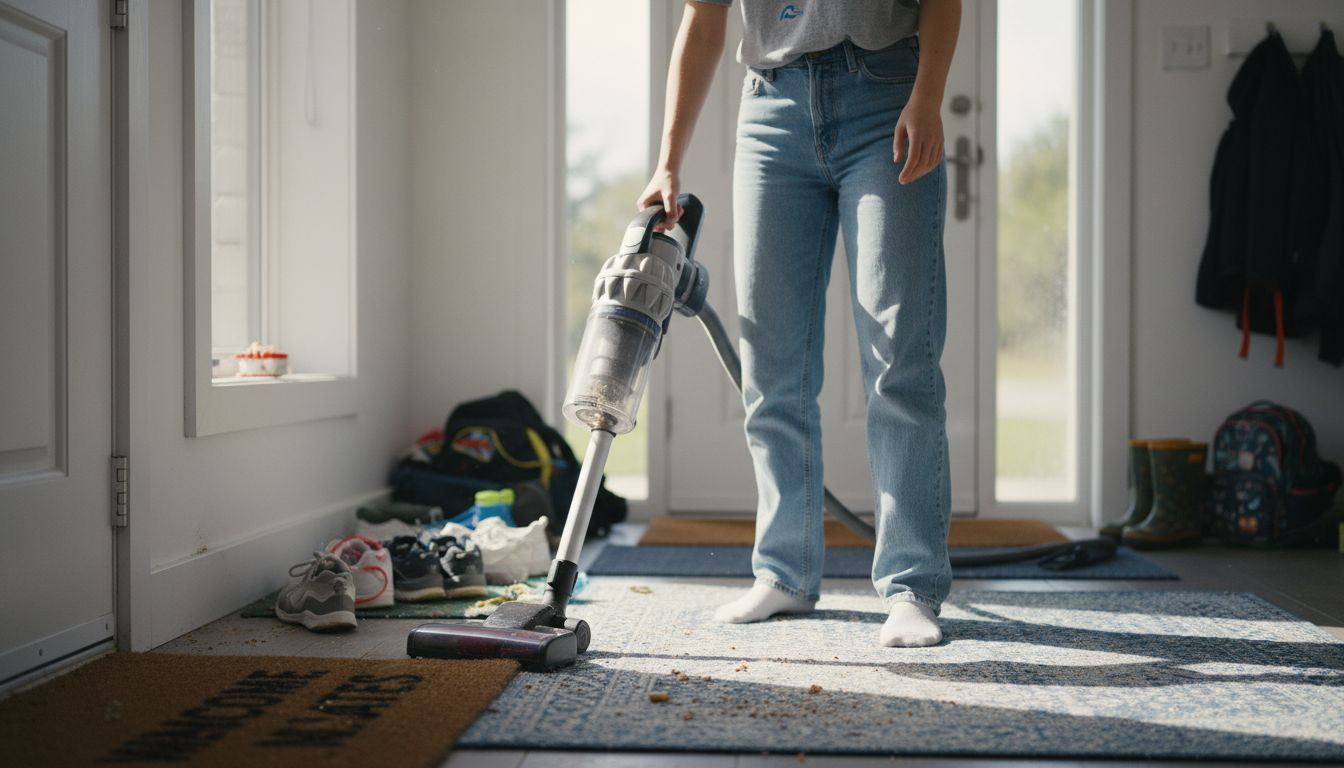
Types of carpet extractors and their uses
Three main extractor categories serve different cleaning scenarios, each with distinct capabilities and ideal applications. Choosing the right equipment type impacts cleaning effectiveness, drying time, and overall results.
Portable extractors suit homes, truck-mounted systems excel in large jobs, walk-behind industrial units handle high volume. Understanding these differences helps you set realistic expectations when hiring services or considering equipment options.
| Extractor Type | Best For | Key Advantages | Limitations |
|---|---|---|---|
| Portable | Residential homes, apartments, spot cleaning | Affordable, manoeuvrable, reaches upstairs easily | Lower suction power, longer drying times |
| Truck-mounted | Large residential properties, commercial spaces | Strongest suction, fastest drying, deep cleaning power | Requires vehicle access, higher service cost |
| Walk-behind | Commercial facilities, high-traffic areas | Efficient for large areas, consistent results | Heavy, requires training, not suitable for stairs |
Performance differences stem primarily from suction power and water heating capacity. Truck-mounted hot water extraction systems use water temperatures above 200°F with stronger pressure and suction than portable units. This translates to deeper soil removal and significantly faster drying, often within four to six hours compared to eight to twelve hours for portable extractors.
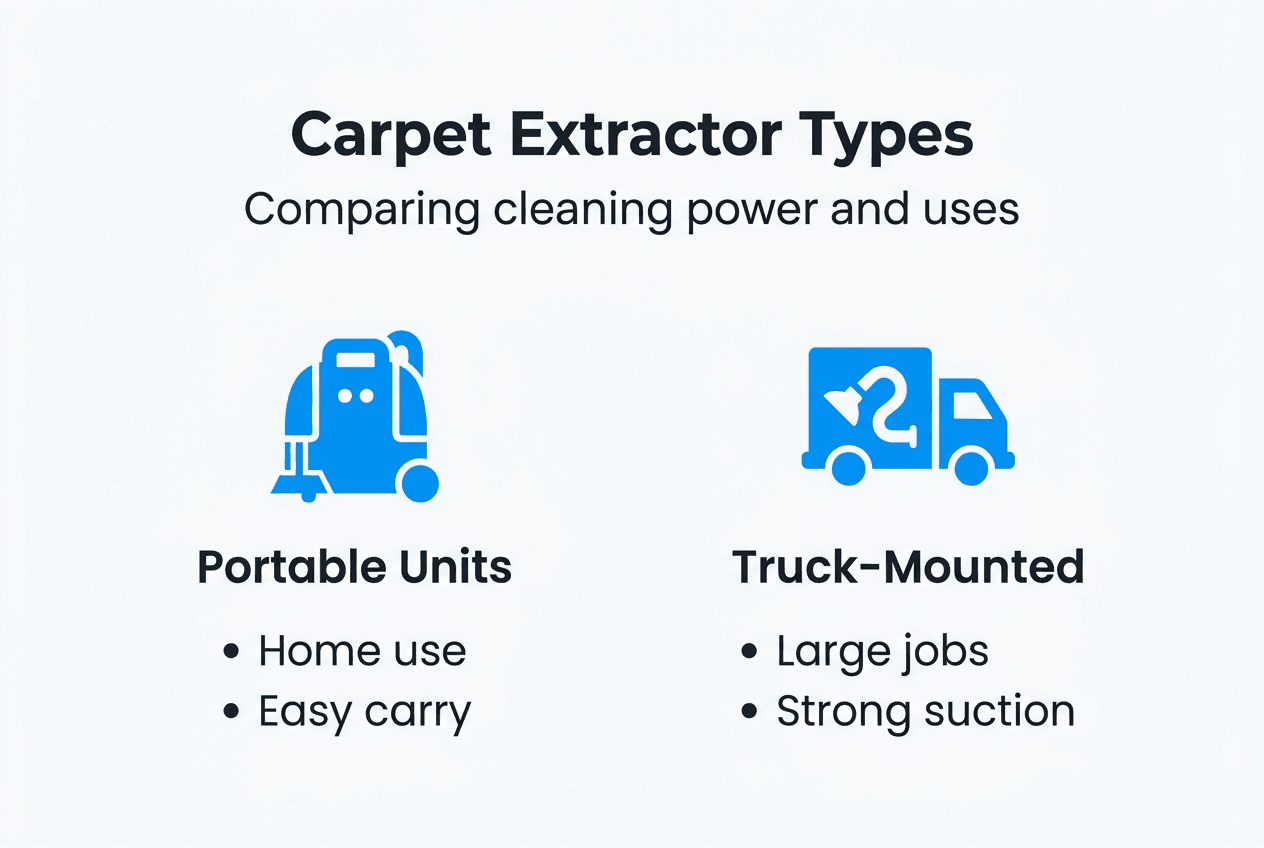
Homeowners typically encounter portable or truck-mounted systems during professional cleaning. Portable units work well for routine maintenance and smaller spaces. Their compact size allows technicians to reach second-storey rooms and tight areas easily. However, their limited tank capacity and lower suction mean they require more passes and longer drying periods.
Truck-mounted systems deliver superior results for whole-home cleaning. The equipment remains in a van outside whilst only hoses enter your home, reducing noise and eliminating the need to move heavy machinery through doorways. The powerful vacuum and heating elements extract more moisture during cleaning, preventing the damp carpet issues that can lead to mould growth.
Property managers overseeing larger buildings benefit from walk-behind industrial extractors. These machines clean expansive areas efficiently but require proper technique to avoid over-wetting carpets. Their weight and size make them impractical for residential use, especially in homes with multiple levels.
Pro Tip: Truck-mounted systems usually dry faster even in humid conditions because their superior suction removes more moisture during extraction. If quick carpet recovery matters for your schedule, prioritise services offering truck-mounted equipment over portable alternatives.
Selecting appropriate extractor technology impacts your satisfaction with results. When choosing carpet cleaning methods, consider the size of areas needing attention, your home layout, and how quickly you need carpets ready for use again.
Hot water extraction: the preferred carpet soil extraction method
Hot water extraction stands as the industry standard for deep carpet cleaning, endorsed by carpet manufacturers and cleaning professionals worldwide. This method combines heated water, cleaning agents, and powerful suction to achieve results other approaches cannot match.
Shaw Industries, the largest carpet maker, recommends hot water extraction as the top cleaning method for maintaining carpet warranties and appearance. The process differs fundamentally from steam cleaning, which uses vapour without the crucial extraction component.
Hot water extraction delivers comprehensive cleaning through its ability to penetrate deep into carpet construction. HWE effectively removes oils, grit, sticky residues, embedded dirt and bacteria deep below the carpet surface, reaching contamination that other methods leave behind. The heated solution liquefies stubborn soils whilst mechanical action loosens their grip on fibres.
The multi-step HWE process ensures thorough cleaning:
- Pre-inspection identifies problem areas, carpet type, and appropriate cleaning solutions for specific soils.
- Thorough vacuuming removes surface debris that would otherwise turn to mud during wet cleaning.
- Pre-treatment application targets heavy soiling, stains, and high-traffic areas with specialised agents.
- Agitation works solutions into fibres, breaking apart embedded soil and preparing it for extraction.
- Hot water injection under controlled pressure flushes contaminants from carpet depths to the surface.
- Simultaneous powerful extraction removes dirty solution, dissolved soil, and excess moisture immediately.
- Post-cleaning inspection verifies results and applies carpet protection if requested.
- Air movement and ventilation accelerate drying, typically achieving walk-ready carpets within four to eight hours.
Key advantages of hot water extraction include:
- Deepest soil removal compared to dry cleaning or bonnet methods
- Effective allergen elimination for improved indoor air quality
- Maintains carpet manufacturer warranties requiring periodic deep cleaning
- Extends carpet lifespan by removing abrasive particles that damage fibres
- Provides sanitisation benefits through high-temperature water application
- Rinses away cleaning residues that attract dirt in other methods
Drying time depends on several controllable factors. Carpet thickness, humidity levels, airflow, and extraction equipment power all influence how quickly carpets become ready for normal use. Professional technicians optimise these variables by adjusting solution application rates, making multiple extraction passes, and positioning air movers strategically.
Proper post-cleaning care accelerates drying and protects your investment. Following carpet care after cleaning tips ensures you maximise the benefits of professional extraction whilst avoiding common mistakes that compromise results.
The scientific principle behind HWE effectiveness is straightforward. Heat increases molecular activity, causing soil particles to release their grip on carpet fibres. Cleaning agents further reduce surface tension, allowing water to penetrate and surround contaminants. Immediate extraction prevents redepositing of loosened soil back into fibres, removing it from your home entirely.
How to prepare for and maintain carpets after soil extraction
Proper preparation dramatically improves extraction results whilst reducing cleaning time and costs. Simple steps taken before professionals arrive ensure your carpets receive maximum benefit from the service.
Vacuuming stands as the most critical preparation task. Removing loose surface soil prevents it from turning into muddy slurry during wet cleaning. Standard vacuuming eliminates approximately 89% of dry particulate matter, allowing extraction equipment to focus on embedded contaminants that require hot water and agitation.
Essential preparation steps include:
- Vacuum all carpeted areas thoroughly, making multiple passes in high-traffic zones
- Remove small furniture items, toys, and fragile objects from carpeted rooms
- Identify and point out specific stains or problem areas to technicians
- Ensure clear access to all rooms requiring cleaning
- Secure pets in a safe area away from cleaning activities
- Pre-treat stubborn stains with appropriate spot cleaners if recommended
Proper preparation including thorough vacuuming and spot pre-treatment is critical for effective extraction. Skipping these steps forces technicians to spend time on surface soil instead of deep cleaning, reducing the value you receive from professional service.
Maintaining carpets after extraction protects your investment and extends time between deep cleanings. Immediate post-cleaning care prevents common problems whilst helping carpets dry properly. Keep traffic minimal until carpets dry completely. Walking on damp carpet transfers soil from shoes directly into wet fibres, creating the spots you just paid to remove.
Airflow acceleration speeds drying significantly. Open windows when weather permits, run ceiling fans, and maintain normal heating or cooling to promote air circulation. Positioning portable fans to move air across carpet surfaces can reduce drying time by several hours, preventing musty odours and potential mildew growth.
Ongoing maintenance between professional extractions preserves cleanliness and appearance. Combining vacuuming, interim maintenance cleaning, and periodic deep extraction creates the best carpet care programme for residential and commercial settings.
Regular vacuuming remains your first defence against soil accumulation. High-traffic areas benefit from daily attention whilst lower-use spaces need thorough vacuuming weekly. Using a quality vacuum with strong suction and rotating brushes removes more soil before it works deep into carpet pile.
Interim cleaning methods like encapsulation provide maintenance between extractions. These approaches use polymers that crystallise around soil particles, allowing routine vacuuming to remove them. Encapsulation works well for maintaining appearance in traffic areas without the drying time required for hot water extraction.
Pro Tip: Avoid harsh chemicals that leave residue causing quick re-soiling. Excessive soap or cleaning product residue acts like a dirt magnet, attracting and holding new soil particles. Professional-grade solutions rinse clean, leaving no sticky film that compromises your freshly cleaned carpets.
Understanding preparing for carpet cleaning success ensures you get maximum value from professional services. The combination of thorough preparation, proper extraction technique, and consistent maintenance delivers carpets that look better and last longer. Following carpet care after cleaning tips protects your investment between professional visits.
Professional carpet soil extraction services in the Yarra Valley
Professional equipment and expertise deliver results that consumer-grade extractors and DIY methods cannot match. The difference lies in suction power, water temperature, proper solution selection, and technician training that ensures optimal outcomes without damaging carpets.
Truck-mounted systems used by established services provide cleaning power far exceeding portable rental units. Their superior extraction capabilities remove more soil and moisture, delivering faster drying times and deeper cleaning. Professional technicians also assess carpet type, soil level, and specific concerns to tailor their approach for your unique situation.
Local Yarra Valley specialists understand regional challenges like humidity affecting drying times and common soil types from local clay and vegetation. They bring commercial-grade equipment to homes throughout Lilydale, Mooroolbark, Chirnside Park, and surrounding areas, offering convenient scheduling and reliable results.
Pro Tip: Professionals tailor methods to carpet type and soil level for best care. Wool carpets require different solutions and temperatures than synthetic fibres, whilst heavily soiled areas need more aggressive pre-treatment than routine maintenance cleaning. Trained technicians make these adjustments automatically based on experience.
Finding quality carpet cleaning near me ensures you work with professionals who understand local conditions and offer responsive service. Established residential carpet cleaning services provide guarantees, proper insurance, and expertise that protects your flooring investment. Following their carpet care after cleaning tips maintains results between scheduled services, maximising the value of professional extraction.
How often should carpets be professionally extracted?
Extraction frequency depends on household traffic, occupant activities, and environmental factors affecting soil accumulation. Most residential carpets benefit from professional extraction every 12 to 18 months to maintain appearance and hygiene. High-traffic homes with children or pets may require more frequent service every six to twelve months.
Visible soiling in traffic patterns signals that extraction is overdue. Carpets that look dingy despite regular vacuuming contain embedded soil requiring hot water extraction. Waiting too long allows abrasive particles to damage fibres permanently, shortening carpet lifespan and requiring premature replacement.
Allergy sufferers benefit from more frequent extraction, typically every six months. Removing embedded allergens, dust mites, and other contaminants improves indoor air quality and reduces respiratory irritation. Pet owners face similar considerations, as dander and tracked-in debris accumulate faster in homes with animals.
Professional advice helps establish an appropriate schedule based on your specific circumstances. Technicians assess wear patterns, soil accumulation rate, and carpet condition to recommend optimal timing. Following their guidance prevents under-cleaning that allows permanent staining and over-cleaning that wastes money. Understanding carpet cleaning for allergies tips helps sensitive individuals maintain healthier indoor environments through strategic extraction scheduling.
What is the difference between steam cleaning and carpet soil extraction?
Steam cleaners use vapour to sanitise hard surfaces but don’t extract soil from carpets effectively. True carpet soil extraction employs hot water, mechanical agitation, and powerful suction to remove embedded contaminants. Steam cleaning might refresh surface appearance temporarily but leaves deep soil untouched, causing rapid re-soiling as embedded dirt works back to the surface. Learning about vacuuming versus steam cleaning clarifies these important distinctions.
How long does it take for carpets to dry after extraction?
Most residential carpets dry within four to eight hours with good airflow; truck-mounted systems can dry faster. Factors affecting drying include carpet thickness, humidity levels, air circulation, and extraction equipment suction power. Proper drying prevents mould growth and musty odours whilst allowing normal use to resume quickly. Running fans and maintaining moderate temperatures accelerates the process significantly.
Can carpet soil extraction help with allergies and indoor air quality?
Hot water extraction removes allergens and dust deeper than vacuuming, improving conditions for sensitive individuals. Extraction eliminates dust mites, pet dander, pollen, and other respiratory irritants trapped in carpet depths. This thorough removal improves overall indoor air quality, reducing allergy symptoms and creating a healthier living environment. Regular extraction proves especially beneficial for households with asthma sufferers or young children. Implementing carpet cleaning for allergies tips maximises these health benefits through strategic cleaning schedules.
Recommended
- What is Carpet Extraction? Easy Guide for Clean Floors – Yarra Valley Carpet Cleaning
- Dry vs Steam Cleaning: Complete Carpet Guide – Yarra Valley Carpet Cleaning
- Choosing a Carpet Cleaning Service: Your Step-by-Step Guide – Yarra Valley Carpet Cleaning
- What Is Carpet Shampooing? Expert Guide for 2025 – Yarra Valley Carpet Cleaning