
Office furniture in the Yarra Valley might look clean on the surface but research shows that high-contact spots like armrests and desk handles harbour the most grime and microorganisms. Most people just wipe everything with the same cloth or miss those sneaky corners. Surprisingly, it’s the overlooked details and the way you match your cleaning method to different materials that decide if your workspace looks fresh or starts falling apart years early.
Table of Contents
- Step 1: Assess Your Office Furniture Condition
- Step 2: Gather Necessary Cleaning Supplies
- Step 3: Remove Dust And Debris From Surfaces
- Step 4: Clean Furniture Materials With Appropriate Solutions
- Step 5: Verify Cleanliness And Spot Treat Remaining Stains
- Step 6: Maintain Office Furniture Regularly For Longevity
Quick Summary
| Key Point | Explanation |
|---|---|
| 1. Conduct a thorough furniture assessment | Inspect all office furniture for wear, stains, and moisture damage to identify specific cleaning needs. |
| 2. Use appropriate cleaning supplies | Assemble tools like microfibre cloths and pH-neutral cleaners tailored to various materials for effective cleaning. |
| 3. Follow a systematic cleaning process | Dust and clean surfaces methodically, ensuring to work from top to bottom to avoid re-contamination. |
| 4. Verify cleanliness after cleaning | Inspect surfaces visually and using a clean cloth to ensure no dirt or residues remain post-cleaning. |
| 5. Implement regular maintenance routines | Establish consistent cleaning and care schedules to extend the lifespan of office furniture and maintain aesthetics. |
Step 1: Assess Your Office Furniture Condition
Preparing for a comprehensive office furniture cleaning begins with a systematic evaluation of your workspace’s current condition. In the Yarra Valley region, from Chirnside Park to Lilydale, businesses and organisations understand that a thorough initial assessment sets the stage for effective cleaning and maintenance.
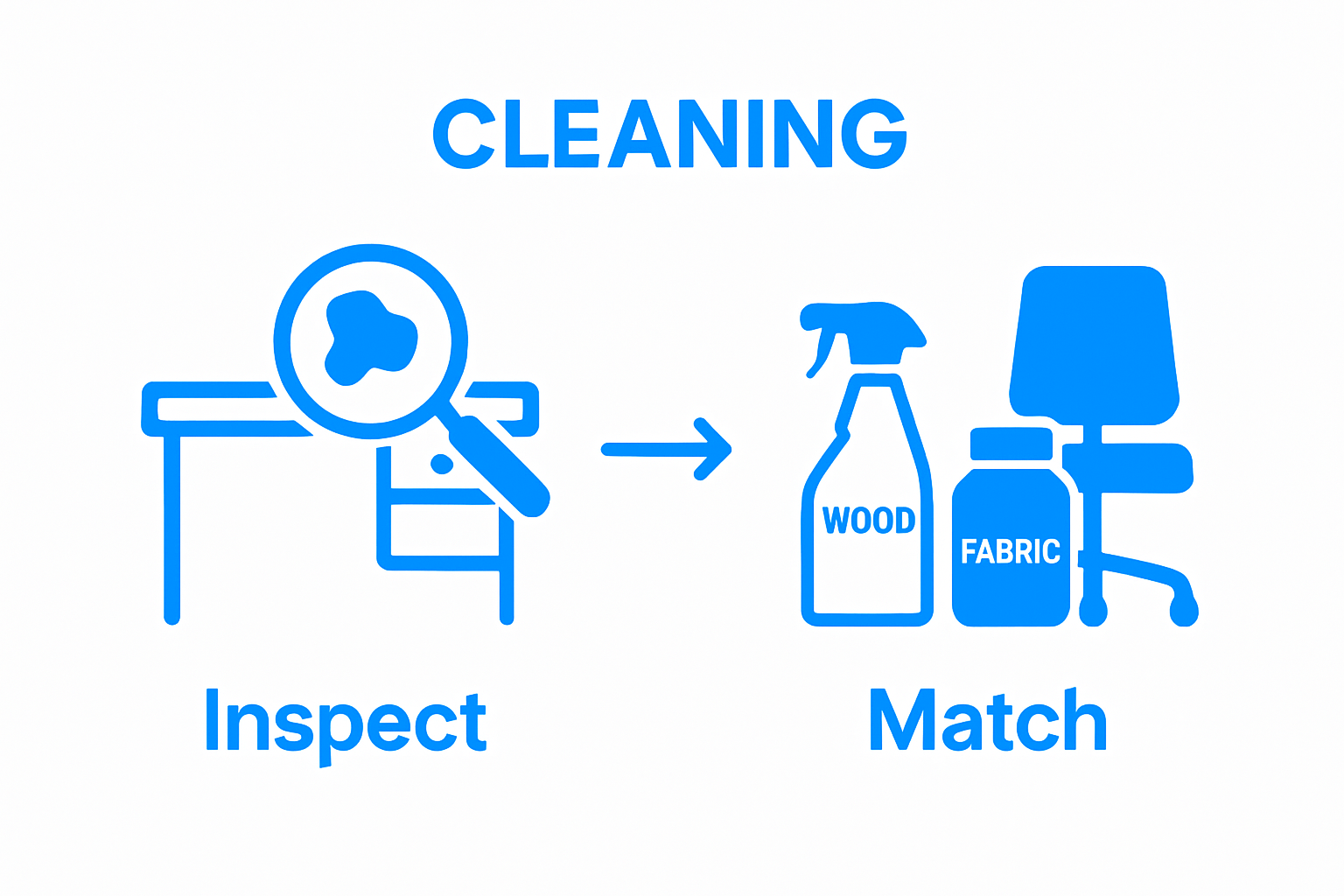
Start by conducting a meticulous visual inspection of all office furniture surfaces. Walk through your workspace methodically, examining chairs, desks, filing cabinets, and communal areas for signs of wear, staining, or accumulated grime. Pay special attention to high-contact areas such as armrests, desk edges, and drawer handles, which tend to accumulate the most dirt and microorganisms.
Your assessment should include documenting specific cleaning requirements for different material types. Leather office chairs demand different cleaning approaches compared to fabric-upholstered seating, while wooden desks require distinct treatment from metal or laminate surfaces. Create a detailed inventory noting material composition, existing stains, potential damage, and unique cleaning considerations for each piece of furniture.
Check out our comprehensive cleaning guide to understand the nuanced requirements for various office furniture materials.
Consider the environmental factors specific to your workspace. In areas like Croydon or Mount Evelyn, humidity and seasonal changes can impact furniture condition. Look for early signs of moisture damage, mould development, or fabric degradation that might require specialised cleaning techniques.
Utilise proper lighting and potentially a magnifying glass to inspect intricate areas often overlooked. Check seams, crevices, and joints where dust and debris commonly accumulate. Document your findings systematically, creating a clear roadmap for your upcoming cleaning process. This comprehensive assessment will not only improve cleaning effectiveness but also help extend the lifespan of your office furniture.
Step 2: Gather Necessary Cleaning Supplies
With your initial furniture assessment complete, the next critical phase involves assembling the right cleaning arsenal for your office environment. Preparing your supplies strategically ensures an efficient and thorough cleaning process across Yarra Valley workspaces, from Lilydale to Chirnside Park.
Professional cleaning requires precision and the right tools. Select microfibre cloths as your primary cleaning companion, offering superior dust and grime removal without scratching delicate surfaces. These versatile cloths work exceptionally well on wooden desks, leather chairs, and metal filing cabinets. Choose multiple colours to prevent cross-contamination between different furniture materials and zones within your office.
Explore our recommended cleaning toolkit for comprehensive office maintenance solutions. Your cleaning kit should include several essential categories of supplies:
- Microfibre cloths in multiple colours
- pH-neutral cleaning solutions for different surfaces
- Protective gloves
- Spray bottles for precise solution application
- Soft-bristled brushes for intricate areas
- Disposable wipes for quick spot cleaning
Pay careful attention to selecting cleaning solutions matched to specific furniture materials. Leather requires specialised conditioners, while wooden surfaces demand gentle, wood-specific cleaners that protect against moisture and potential damage. Avoid harsh chemicals that might strip protective coatings or cause discolouration.
Consider the environmental conditions in your specific Yarra Valley location. Humidity levels in areas like Mount Evelyn or Croydon can influence both furniture condition and cleaning product effectiveness. Select cleaning solutions that perform well in variable moisture environments, ensuring your supplies remain stable and effective throughout the cleaning process.
A professional approach means having backup supplies and understanding each product’s specific application method. Read manufacturer instructions carefully, test solutions on inconspicuous areas first, and always work in a well-ventilated space to ensure safety and optimal cleaning results.
Here is a summary table outlining the essential cleaning supplies, their purpose, and the materials they are best suited for in office furniture cleaning.
| Cleaning Supply | Primary Purpose | Best For Materials |
|---|---|---|
| Microfibre cloths | Dust and grime removal, no scratches | Wood, metal, leather |
| pH-neutral cleaning solution | Safe, effective cleaning, avoids damage | Leather, wood, laminate |
| Protective gloves | Hand protection from chemicals | All materials |
| Spray bottle | Precise solution application | All materials |
| Soft-bristled brushes | Clean intricate areas and crevices | Woodwork, upholstery |
| Disposable wipes | Quick, targeted spot cleaning | Fabric, plastic, metal |
Step 3: Remove Dust and Debris from Surfaces
Dust and debris accumulation can transform your pristine office furniture into a breeding ground for allergens and potential workplace health risks. In the Yarra Valley region, from Croydon to Lilydale, effective dust removal requires a systematic and careful approach that protects your furniture’s integrity while ensuring a clean workspace.
Begin with dry cleaning techniques using your microfibre cloths, working from top to bottom to prevent re-contaminating cleaned surfaces. Start with horizontal surfaces like desk tops, shelves, and filing cabinets, using gentle sweeping motions that capture dust without scratching. For intricate areas with complex textures or detailed woodwork, employ soft-bristled brushes that can reach into corners and crevices without causing damage.
Discover our comprehensive cleaning techniques to understand the nuanced approach to surface cleaning. Pay special attention to frequently overlooked zones such as chair legs, desk undercarriages, and equipment bases where dust tends to accumulate unnoticed.
Your approach should differentiate between surface types. Leather furniture requires a soft, dry microfibre cloth with minimal pressure, while wooden surfaces might benefit from slightly dampened cloths that trap dust without introducing excess moisture. Avoid aggressive wiping techniques that could potentially damage delicate finishes or push dirt deeper into material pores.
Consider implementing a strategic cleaning sequence:
- Start with loose debris removal using soft brushes
- Progress to dry microfibre cloth cleaning
- Use targeted damp cleaning for stubborn dust areas
- Finish with a final dry wipe to prevent moisture residue
For offices in humidity-prone areas like Mount Evelyn, be particularly mindful of potential dust and moisture interactions. Dust can absorb ambient humidity, potentially creating conditions conducive to mould growth or surface degradation. Your meticulous approach should focus not just on removing visible dust, but preventing potential long-term damage to your valuable office furniture.
Step 4: Clean Furniture Materials with Appropriate Solutions
Navigating the complex landscape of office furniture cleaning requires understanding the unique characteristics of different materials. In the Yarra Valley region, from Chirnside Park to Lilydale, each furniture piece demands a tailored approach to maintain its appearance and longevity.
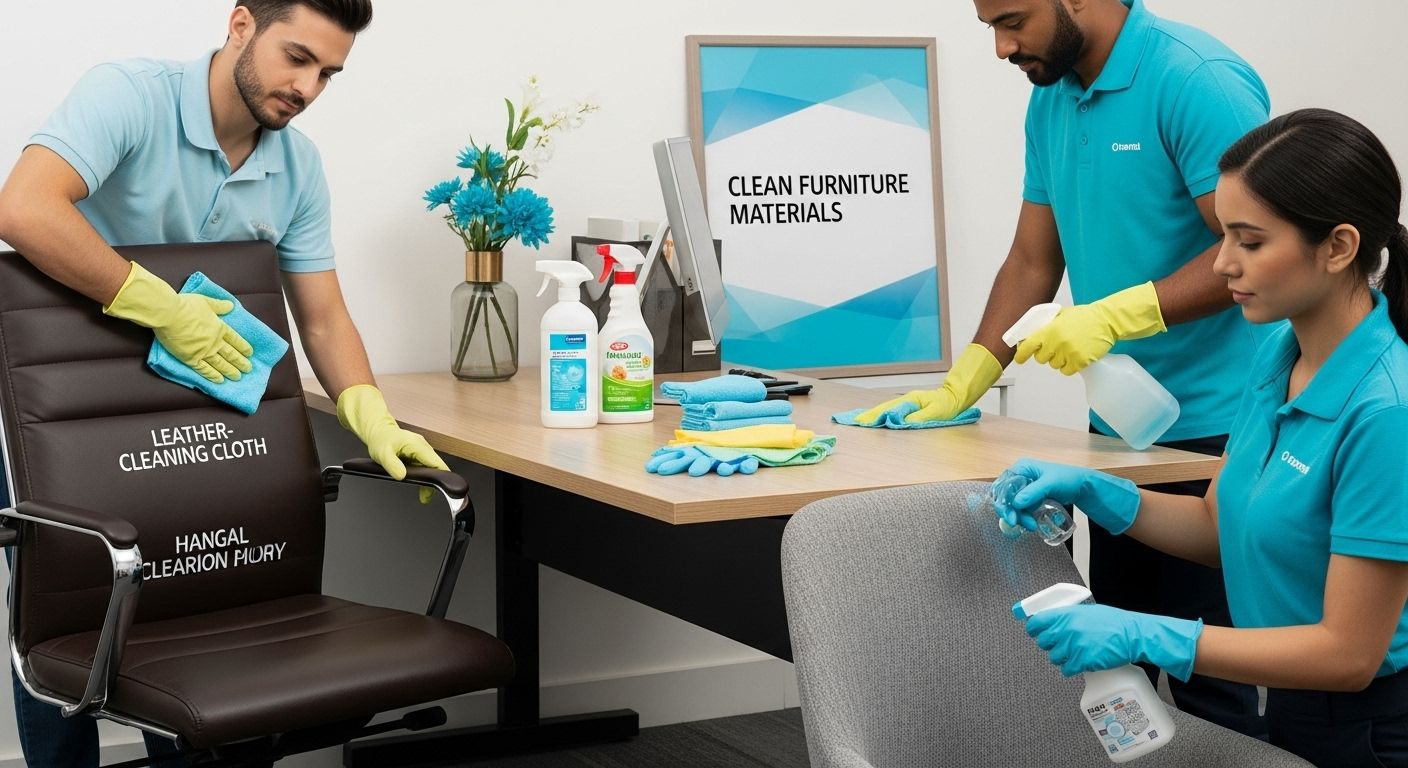
Leather surfaces require delicate, specialised treatment. Using a pH-neutral leather cleaner, apply the solution sparingly to a clean microfibre cloth rather than directly onto the surface. Gently work in circular motions, avoiding excessive moisture that could damage the material. For older or more delicate leather, consider using a dedicated leather conditioning product that simultaneously cleans and protects the surface.
Learn more about advanced cleaning techniques to protect your valuable office furniture. Wooden furniture presents another challenge, requiring solutions that clean without stripping protective finishes. Select a wood-specific cleaner appropriate to the wood type – whether it’s oak, pine, or mahogany – and apply using a soft, lint-free cloth.
Fabric-upholstered furniture demands a strategic approach. Test cleaning solutions on an inconspicuous area first to ensure colour fastness and material compatibility. Use a specialised fabric cleaner that addresses both dirt and potential stains, working from the edges towards the centre to prevent spreading.
Consider these critical cleaning considerations:
- Match cleaning solution to specific material type
- Use minimal moisture to prevent potential damage
- Work in controlled, gentle motions
- Allow surfaces to dry completely after cleaning
For offices in humidity-prone areas like Mount Evelyn or Croydon, pay extra attention to potential moisture absorption. Ensure thorough but gentle cleaning techniques that remove dirt without introducing excess liquid. Your goal is not just surface cleanliness, but preservation of the furniture’s structural integrity and aesthetic appeal.
Step 5: Verify Cleanliness and Spot Treat Remaining Stains
After completing the initial cleaning process, a meticulous verification stage becomes crucial in ensuring your office furniture meets professional cleaning standards. In the Yarra Valley region, from Lilydale to Chirnside Park, attention to detail separates adequate cleaning from exceptional results.
Conduct a comprehensive visual and tactile inspection under good lighting conditions. Natural daylight works best for revealing subtle imperfections missed during initial cleaning. Run your hand gently across surfaces, feeling for any remaining grime or sticky residues. Use a clean white cloth to test surfaces, which will immediately highlight any lingering dirt that escaped previous cleaning attempts.
Explore our advanced stain removal techniques to tackle those challenging, persistent marks. For stubborn stains, prepare a targeted approach using material-specific spot treatment solutions. Leather surfaces might require a specialised leather cleaner, while fabric upholstery demands a gentle, colour-safe stain remover applied with minimal pressure.
Implement a strategic spot treatment process that prevents further damage. Always test cleaning solutions on an inconspicuous area first, working from the stain’s outer edges towards the centre to prevent spreading. Use a clean white cloth or soft-bristled brush, applying gentle, controlled motions that lift the stain without grinding it deeper into the material.
Consider these critical verification steps:
- Check surfaces under bright, natural lighting
- Use a clean white cloth to test for residual dirt
- Verify consistency of cleaning across all furniture surfaces
- Confirm no cleaning solution residue remains
For offices in humidity-prone areas like Mount Evelyn or Croydon, pay extra attention to potential moisture retention. Ensure all surfaces are completely dry, preventing potential mould or mildew growth. Your final verification should result in furniture that looks refreshed, feels clean to the touch, and meets the highest professional cleaning standards.
Step 6: Maintain Office Furniture Regularly for Longevity
Consistent maintenance transforms office furniture from a simple workplace necessity into a long-lasting investment. In the Yarra Valley region, from Lilydale to Chirnside Park, strategic care can significantly extend the life of your valuable office furnishings, preventing premature wear and maintaining a professional aesthetic.
Develop a systematic weekly maintenance routine that addresses different material types. Leather surfaces require monthly conditioning to prevent cracking, while wooden furniture benefits from quarterly polishing using appropriate wood-specific products. Fabric upholstery demands regular vacuuming with soft brush attachments to remove dust and prevent embedded particles from degrading the material.
Explore our comprehensive cleaning maintenance strategies to protect your office investments. Implement protective measures such as using coasters on wooden surfaces, placing protective pads under chair legs, and establishing clear guidelines about eating and drinking near valuable furniture. These simple preventative actions can dramatically reduce unexpected damage and maintenance costs.
Environmental considerations play a crucial role in furniture maintenance. Offices in humidity-prone areas like Mount Evelyn or Croydon should pay extra attention to potential moisture damage. Use dehumidifiers if necessary, and ensure adequate ventilation to prevent mould growth and material degradation. Rotate furniture periodically to ensure even exposure and prevent uneven wear from consistent sunlight or foot traffic.
Consider these critical maintenance guidelines:
- Vacuum fabric surfaces weekly
- Dust wooden and metal surfaces bi-weekly
- Condition leather furniture monthly
- Inspect for potential damage during each cleaning session
Your maintenance strategy should be proactive rather than reactive. By establishing a consistent cleaning and care routine, you protect your office furniture investment, maintain a professional appearance, and create a healthier workplace environment.
The following table summarises maintenance routines for different types of office furniture materials, recommended frequency, and key actions to ensure furniture longevity and presentation.
| Material Type | Maintenance Frequency | Key Actions |
|---|---|---|
| Leather | Monthly | Condition with leather protector |
| Wood | Quarterly | Polish with suitable wood-care product |
| Fabric Upholstery | Weekly | Vacuum with soft brush attachment |
| Metal | Bi-weekly | Wipe and dust to remove build-up |
| Laminate | Bi-weekly | Clean gently with a damp microfibre cloth |
| Regular attention prevents minor issues from becoming costly repairs, ensuring your furniture remains functional and aesthetically pleasing for years to come. |
Take Office Furniture Cleaning to the Next Level in 2025
Tired of stubborn stains and tired-looking office furniture, no matter how dedicated your cleaning routine? Even with a strategic approach to dust and stain removal, high-use areas like armrests, desks and fabric-covered chairs keep attracting grime. For busy workplaces in the Yarra Valley, things like humidity, heavy traffic and complex surfaces often make DIY maintenance fall short of professional standards.
Don’t risk your workspace health or your investment in quality furnishings. Discover the difference with a professional clean from your local experts at Yarra Valley Carpet Cleaning. Our advanced equipment, eco-friendly methods and deep steam treatments are designed to tackle what standard cleaning leaves behind. Keep your office looking sharp, inviting and hygienic with our tailored solutions for carpets, upholstery and more. Visit our Uncategorized cleaning tips and solutions for more advice or head straight to Yarra Valley Carpet Cleaning for an obligation-free quote. Ready to revitalise your office space? Act now to secure your preferred booking and give your business a fresh start this year.
Frequently Asked Questions
What are the steps for assessing the condition of office furniture before cleaning?
It’s important to conduct a thorough visual inspection, examining all surfaces for signs of wear, stains, or grime. Document specific cleaning requirements for different materials and potential damage to create a cleaning roadmap.
What cleaning supplies are essential for maintaining office furniture?
Your cleaning kit should include microfibre cloths, pH-neutral cleaning solutions, protective gloves, spray bottles, soft-bristled brushes, and disposable wipes. Ensure each product is suitable for the material type of your furniture.
How should different material types of office furniture be cleaned?
Leather requires a pH-neutral leather cleaner with gentle, circular motions. Wooden surfaces need specific wood cleaners applied with a soft cloth, while fabric upholstery should be tested for colour fastness with a specialised cleaner.
How can I ensure the longevity of my office furniture?
Develop a regular maintenance routine that includes vacuuming fabric surfaces, conditioning leather monthly, and polishing wood quarterly. Environmental factors such as humidity should also be managed to prevent damage.