
Cleaning carpets in the Yarra Valley is not as simple as giving them a quick once-over with the vacuum. Some carpets here collect more than just dust, and regular maintenance can extend their lifespan by up to 50 percent according to ABC News Australia. Most folks assume a fresh scent means the job’s done, but a thorough clean is about so much more than what you smell.
Table of Contents
- Step 1: Prepare Your Cleaning Supplies And Tools
- Step 2: Vacuum Thoroughly To Remove Debris
- Step 3: Apply Suitable Carpet Freshening Products
- Step 4: Let The Carpet Dry Completely
- Step 5: Regularly Maintain With Scheduled Cleaning
- Step 6: Verify Freshness And Address Any Odours
Quick Summary
| Key Point | Explanation |
|---|---|
| 1. Assemble Quality Cleaning Supplies | Gather a powerful vacuum, cleaning solutions, and tools tailored to your carpet type for effective cleaning. |
| 2. Vacuum Thoroughly and Methodically | Vacuuming in multiple directions ensures deep dirt removal and prevents premature carpet wear. |
| 3. Use Appropriate Carpet Fresheners | Select freshening products that neutralize odours without damaging carpet fibres, and test them first. |
| 4. Ensure Complete Carpet Drying | Proper ventilation and monitoring prevent moisture-related damage, ensuring carpet longevity. |
| 5. Maintain a Regular Cleaning Schedule | Establish daily, weekly, and periodic cleaning routines to prolong carpet life and appearance. |
Step 1: Prepare Your Cleaning Supplies and Tools
Prepping your cleaning arsenal is the foundation of achieving spotless carpets in the Yarra Valley. Before diving into the actual cleaning process, gathering the right supplies will make your carpet maintenance smooth and efficient. Think of this preparation like setting up a professional cleaning workstation right in your Chirnside Park or Mooroolbark home.
First, you’ll need to assemble a comprehensive toolkit that includes essential items for thorough carpet care. High-quality cleaning supplies are critical for protecting your carpet fibres and ensuring a deep clean. Your toolkit should include a powerful vacuum cleaner with multiple attachments, microfibre cloths, a carpet cleaning solution specifically suited to your carpet type, white cleaning cloths for blotting stains, protective gloves, a spray bottle, and several clean buckets.
Carefully inspect each tool before beginning. Check your vacuum cleaner’s filters and bags, ensuring they are clean and functioning correctly. Select a carpet cleaning solution that matches your specific carpet material – wool carpets require different treatment compared to synthetic fibres. When choosing cleaning products, prioritise those that are safe for your specific carpet type and environmentally friendly.
Our comprehensive guide on deep cleaning carpets can provide additional insights into selecting the right products. The goal is creating a systematic approach that protects your investment while achieving maximum cleanliness.
Organise your supplies in a easily accessible manner, preferably on a cleaning cart or portable container. This prevents unnecessary interruptions during the cleaning process and helps you maintain a methodical workflow. Consider wearing comfortable clothing and shoes that allow you to move freely while cleaning, and have a few extra clean towels nearby for unexpected spills or additional spot treatments.
By meticulously preparing your cleaning supplies and tools, you’re setting the stage for a successful carpet maintenance session that will keep your flooring looking fresh and extending its lifespan. Your attention to detail in this preparatory stage will directly impact the quality of your cleaning results.
Step 2: Vacuum Thoroughly to Remove Debris
Vacuuming is more than a simple surface clean – it’s a critical process for maintaining carpet health and extending its lifespan, especially in high-traffic areas across the Yarra Valley. Thorough vacuuming removes dirt, dust, and microscopic debris that can gradually damage carpet fibres, preventing premature wear and maintaining a clean, fresh appearance.
Begin by clearing the room of movable furniture to access the entire carpet surface. Start at the furthest point from the door and work systematically towards the exit, ensuring you cover every inch of carpet. Use slow, overlapping strokes in multiple directions – this technique helps lift embedded dirt and ensures comprehensive cleaning. Pay extra attention to high-traffic zones like hallways in Mooroolbark and Chirnside Park homes, where dirt accumulates more quickly.
Explore our spring cleaning carpet guide for additional insights into maintaining pristine carpets. Different carpet pile types require specific vacuuming techniques. Low-pile carpets need quick, straight passes, while plush or high-pile carpets benefit from slower, more deliberate movements that allow the vacuum to extract deeply embedded particles.
Utilise your vacuum’s attachments strategically. The crevice tool is perfect for cleaning edges and corners where dust tends to accumulate. The upholstery attachment helps remove surface debris from stairs and furniture. Always vacuum in a methodical pattern to prevent missing spots, moving the vacuum cleaner slowly enough to allow suction to pull out dirt effectively.
According to research from Macquarie University, frequent vacuuming significantly reduces microparticle levels in household environments. Aim to vacuum high-traffic areas at least twice weekly, and less-used spaces once a week. By maintaining this routine, you’ll prevent dirt from becoming deeply embedded and protect your carpet’s appearance and structural integrity.
To verify your vacuuming is thorough, do a simple test. After completing a section, run your hand lightly over the carpet surface. If no visible dust or debris transfers to your hand and the carpet feels clean and refreshed, you’ve successfully completed this crucial cleaning step.
Step 3: Apply Suitable Carpet Freshening Products
Applying carpet freshening products is a crucial step in maintaining a clean, inviting environment for your home or office in the Yarra Valley. Selecting the right product can neutralize odours, eliminate bacteria, and revitalize your carpet’s appearance without causing damage to delicate fibres.
Begin by carefully reading the labels of potential carpet freshening products. Not all solutions are created equal, and using the wrong type can potentially stain or degrade your carpet material. Choose products specifically designed for your carpet’s specific fabric type – wool, synthetic, or blended materials each require different treatment approaches. Opt for enzyme-based or natural deodorizing solutions that neutralize odours rather than simply masking them.
Our expert guide for keeping carpets looking new provides additional insights into product selection and application techniques. When applying the freshening product, always test it on a small, inconspicuous area first to ensure it doesn’t cause discolouration or unexpected reactions. Use a clean white cloth or spray bottle to apply the solution evenly, working from the edges towards the centre of the carpet to prevent creating concentrated spots.
For homes in Mooroolbark, Chirnside Park, and surrounding Yarra Valley areas with high humidity, consider using products that also combat moisture-related issues. Some advanced carpet freshening solutions include antimicrobial properties that help prevent mould and mildew growth. Apply the product sparingly – over-saturating can lead to moisture problems and potential carpet damage.
Dry the carpet thoroughly after application. Open windows, use fans, or run a dehumidifier to ensure complete drying. This step is critical in preventing potential moisture-related issues that could compromise your carpet’s integrity. Wait at least 30 minutes after application before walking on the treated area, allowing the product to fully penetrate and work effectively.
To verify the effectiveness of your freshening treatment, perform a simple smell test after the carpet has completely dried. A clean, neutral scent indicates successful odour neutralization.
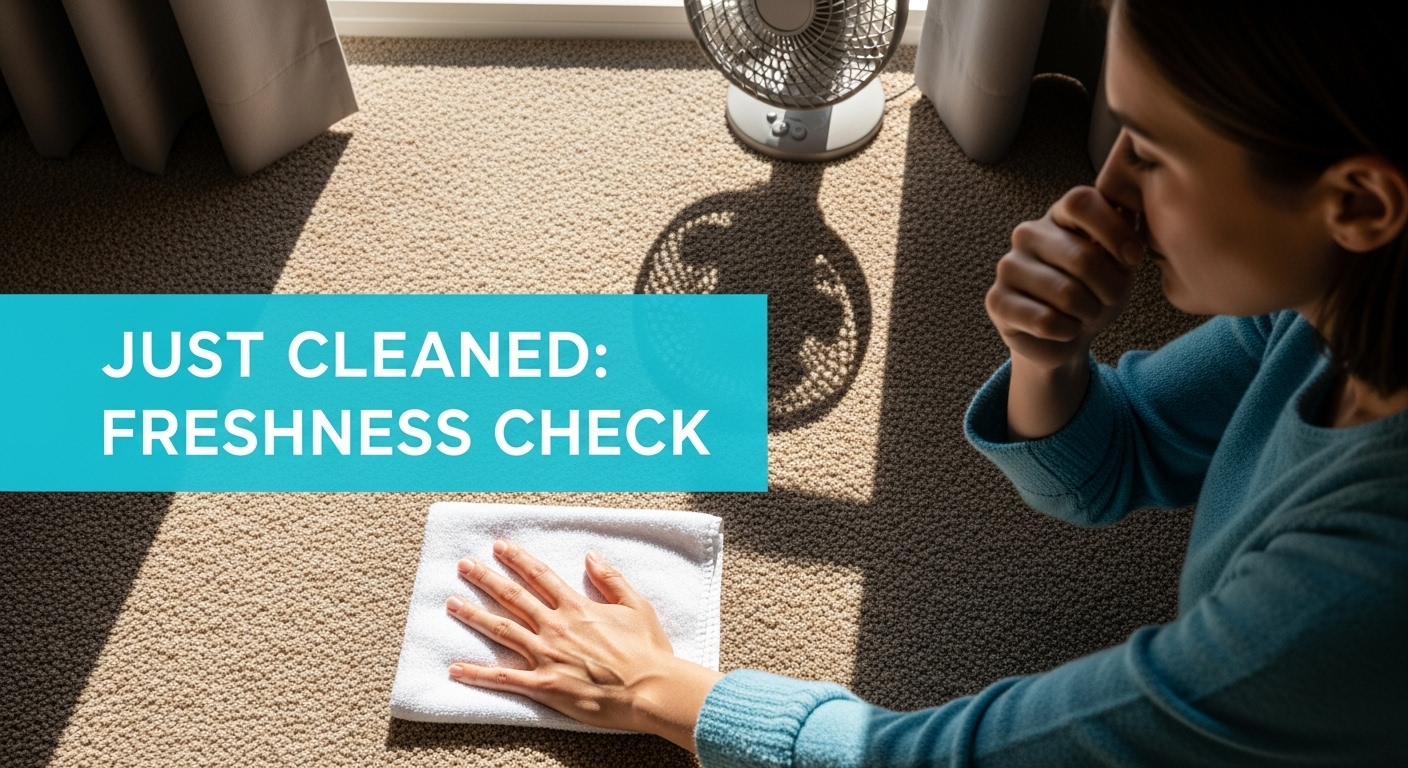 If lingering smells persist, you might need to repeat the process or consult professional carpet cleaning services for a more intensive treatment.
Step 4: Let the Carpet Dry Completely
Drying your carpet thoroughly is a critical yet often overlooked step in the carpet cleaning process, especially for homes in humid regions like the Yarra Valley. Proper drying prevents potential moisture-related damage and ensures your carpet remains fresh and mould-free. This stage is more than simply waiting – it requires strategic ventilation and careful monitoring to protect your carpet’s integrity.
Immediately after cleaning, create optimal drying conditions by maximizing air circulation. Open windows in rooms like those in Chirnside Park and Mooroolbark to allow natural airflow. Utilize ceiling fans, standing fans, and portable air movers to enhance drying speed. Position fans to create cross-ventilation, ensuring air moves consistently across the entire carpet surface. Avoid walking on damp carpets, as this can compact fibres and potentially transfer dirt back onto the recently cleaned surface.
Explore our guide on essential carpet protection after cleaning for additional insights into maintaining your carpet post-cleaning. During humid periods, consider using a dehumidifier to extract excess moisture from the air. This helps accelerate drying and prevents potential mould growth, which can be particularly problematic in areas with high ambient humidity.
The typical drying time varies depending on carpet thickness, cleaning method, and environmental conditions. Thicker carpets and those in less ventilated spaces might require 6-10 hours to dry completely, while thinner carpets in well-ventilated areas could dry within 4-6 hours. Resist the temptation to rush the process by using excessive heat, as this can potentially damage carpet fibres or set remaining stains.
To verify complete drying, perform a simple touch test. Place a clean, white towel on the carpet and press gently. If no moisture transfers to the towel and the carpet feels completely dry and springy to the touch, you’ve successfully completed the drying process. Returning furniture and resuming normal foot traffic should only occur once the carpet is entirely dry, ensuring your cleaning efforts protect and preserve your carpet’s appearance and longevity.
Step 5: Regularly Maintain with Scheduled Cleaning
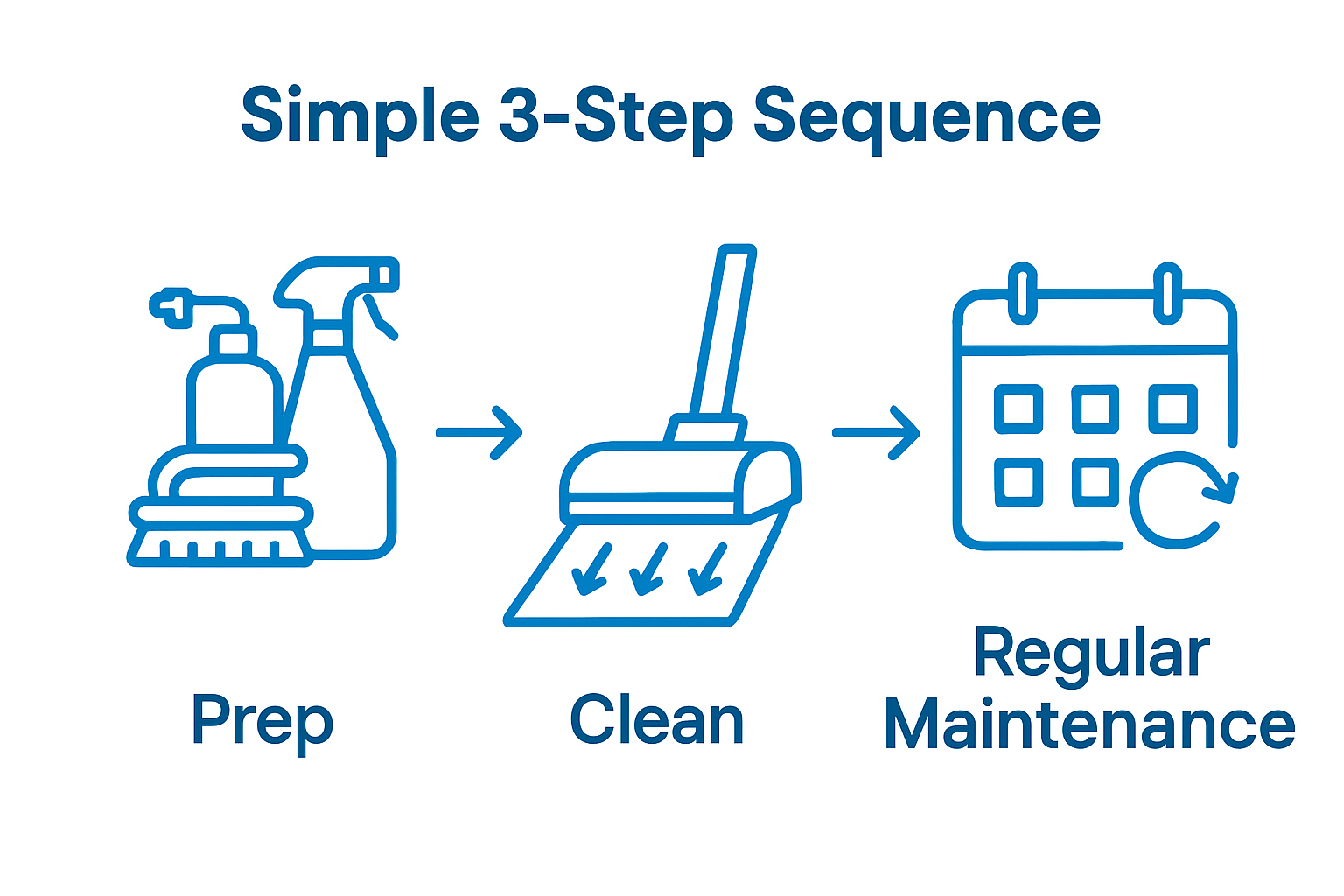
Maintaining a consistent cleaning schedule is the cornerstone of preserving your carpet’s appearance, durability, and overall health. Systematic maintenance prevents dirt accumulation, reduces wear, and extends your carpet’s functional lifespan by addressing potential issues before they become significant problems. Homes in Yarra Valley areas like Mooroolbark and Chirnside Park experience varied environmental conditions that make regular carpet care essential.
Establish a comprehensive cleaning routine that combines daily, weekly, and periodic deep cleaning approaches. Daily maintenance involves quick vacuuming of high-traffic zones, focusing on entryways and corridors where dirt tends to accumulate rapidly. Weekly tasks should include thorough vacuuming of entire carpeted areas, paying special attention to underneath furniture and along baseboards where dust and debris often collect unnoticed.
Learn more about our local cleaning tips for the Yarra Valley to understand region-specific maintenance strategies. Professional deep cleaning should occur every 12-18 months, depending on household traffic, presence of pets, and environmental factors. Families with children, pets, or individuals with allergies might require more frequent professional interventions to maintain optimal carpet hygiene.
According to ABC News Australia, systematic carpet maintenance is crucial in removing dust mites, mould, and potential allergens. Create a digital or physical maintenance calendar to track your cleaning schedule. Mark specific dates for vacuuming, spot cleaning, and professional deep cleaning to ensure consistency.
To verify the effectiveness of your maintenance routine, conduct monthly visual and tactile inspections. Check for subtle changes in carpet texture, colour variations, or emerging wear patterns. A well-maintained carpet should retain its original colour, feel resilient underfoot, and show minimal signs of matting or flattening.
 By implementing a disciplined cleaning approach, you’re not just maintaining a carpet – you’re protecting a significant investment in your home’s comfort and aesthetic appeal.
Step 6: Verify Freshness and Address Any Odours
Verifying carpet freshness is the final crucial step in ensuring your cleaning efforts have successfully transformed your living space. A truly clean carpet should feel soft, look vibrant, and emit a neutral, fresh scent without any lingering odours or musty undertones. Homes in Yarra Valley regions like Mooroolbark and Chirnside Park can face unique challenges with humidity and environmental factors that impact carpet freshness.
Begin your verification process by conducting a comprehensive sensory assessment. Walk barefoot across the carpet, feeling its texture and checking for any remaining dampness or unusual sensations. Run your hand gently over different areas, paying attention to how the fibres respond. The carpet should feel springy, uniform, and free from matting or compressed areas. Next, perform a smell test by kneeling close to the carpet and taking several deep breaths. A clean carpet should have a neutral, fresh scent without any trace of mustiness, dampness, or previous odours.
Learn more about expert carpet cleaning techniques for pet owners to understand specific odour management strategies. If you detect any persistent odours, prepare a targeted treatment approach. Natural solutions like white vinegar mixed with water can neutralize mild odours, while enzymatic cleaners work effectively for organic smell sources like pet accidents or food spills.
According to Dr. Fisher from UNSW, odours are volatile chemical compounds that bind to receptors in our nose. Preventing their formation requires controlling moisture and ensuring proper ventilation. Open windows, use fans, and consider a dehumidifier if your space tends to retain moisture. For stubborn odours, sprinkle baking soda across the carpet, let it sit for several hours, then vacuum thoroughly to absorb and neutralize remaining smells.
To conclusively verify your carpet’s freshness, invite an objective second opinion. Ask a family member or friend to enter the room and provide honest feedback about the carpet’s appearance, smell, and overall feel. Their unbiased perspective can help confirm that your cleaning efforts have successfully restored your carpet to its optimal condition.
Here is a handy checklist table summarising how to verify your carpet’s freshness and what to do if issues are detected.
| Verification Step | What to Look/Feel/Smell For | Action If Issue Found |
|---|---|---|
| Barefoot Walk | Carpet feels soft, springy, uniform | Inspect for matting, repeat cleaning as needed |
| Hand Test | Fibres respond, no flat or compressed areas | Gently lift fibres, consider additional brushing |
| Smell Test | Neutral, fresh scent, no mustiness or odours | Apply vinegar solution or enzymatic cleaner |
| Visual Check | Vibrant appearance, no discolouration | Spot clean blemishes, address stains promptly |
| Towel Test (for dampness) | Towel remains dry after gentle press | Extend drying time with fans or dehumidifier |
| Second Opinion | Freshness confirmed by another person | Address any negative feedback with further cleaning or odour treatment |
Experience True Carpet Freshness with Local Yarra Valley Experts
Struggling to keep your carpets clean and odour-free can feel overwhelming, especially after following all the right steps like vacuuming, applying freshening products, and careful drying. Even with regular maintenance, stubborn stains or lingering smells can return and disrupt the comfort of your home. The article highlights the importance of thorough cleaning, proper product choice, and maintaining a routine, but achieving and preserving that just-cleaned feeling is tough when time and persistent issues stand in your way.
If you want lasting results and complete peace of mind, let the professionals at Yarra Valley Carpet Cleaning help. Discover how our advanced equipment and eco-friendly solutions deliver a deeper clean that lasts longer than DIY methods. Curious about how we tackle unique local challenges? Explore our Uncategorized Archives – Yarra Valley Carpet Cleaning for firsthand stories, expert advice, and proven results. If you want your carpets to stay spotless and fresh, contact our reliable team today for a free quote and see the difference a trusted local specialist can make. Don’t wait until dirt or odours come back—secure your cleaner, healthier home now.
Frequently Asked Questions
How can I tell if my carpet is properly dried after cleaning?
To check if your carpet is completely dry, press a clean, white towel against the surface. If no moisture transfers to the towel and the carpet feels dry and springy, it’s safe to resume normal activity.
What products should I use to keep my carpets fresh?
Use enzyme-based or natural carpet freshening products that neutralise odours without damaging your carpet’s fibres. Always test a small area first to ensure compatibility with your carpet material.
How often should I vacuum my carpets?
In high-traffic areas, vacuum at least twice a week. For less-used spaces, aim to vacuum once a week to prevent dirt from embedding into the carpet fibres.
What steps can I take to prevent stains and odours in carpets?
Implement a regular cleaning schedule, promptly address spills with appropriate spot cleaning solutions, and use protective treatments suitable for your carpet type. Regular freshening can also help manage odours.