
Wet carpet cleaning often turns your home into an off-limits zone for hours, but busy households in the Yarra Valley need solutions that work fast without sacrificing cleanliness. Finding an approach that delivers spotless carpets while caring for the environment matters to many residents across Lilydale, Mooroolbark, and Healesville. With very low moisture systems that offer rapid drying times and eco-friendly options, dry carpet cleaning delivers the clean, healthy home you want without the wait.
Table of Contents
- What Is Dry Carpet Cleaning And How It Works
- Main Types Of Dry Carpet Cleaning Methods
- Step-By-Step Dry Cleaning Process Explained
- Benefits And Drawbacks Compared To Steam Cleaning
- Is Dry Cleaning Right For Your Carpet Needs
Key Takeaways
| Point | Details |
|---|---|
| Speed and Efficiency | Dry carpet cleaning methods typically allow carpets to be ready for use within hours, making them ideal for busy households. |
| Ideal for Specific Carpet Types | Synthetic carpets respond well to dry cleaning, while natural fibres may require more careful consideration. |
| Minimal Moisture Use | The low moisture involved reduces the risk of mildew and mould, making it a suitable choice for humid environments. |
| Combination Approach Recommended | For heavily soiled carpets, consider using steam cleaning for deep cleaning, followed by dry cleaning for regular maintenance. |
What Is Dry Carpet Cleaning and How It Works
Dry carpet cleaning represents a fundamentally different approach to maintaining your carpets compared to traditional wet methods. Rather than saturating your carpet with water and extracting moisture for hours or even days, dry cleaning uses minimal moisture combined with specialised machines and cleaning compounds to lift dirt, dust, and stains from carpet fibres. The beauty of this method lies in its speed and efficiency, making it perfect for busy households in Lilydale, Mooroolbark, and Croydon where you need your carpets back in action quickly.
The process works through several distinct stages that combine chemistry and mechanical action. First, technicians apply a pretreating agent to heavily soiled areas, breaking down stubborn stains and oils bound deep within the carpet fibres. These cleaning agents are designed to dissolve oils and soils that water-based methods cannot handle as effectively, which is why dry cleaning solvents work so well on certain fabric types and problem areas. Once the pretreatment has time to work, specialised dry cleaning machines with rotating brushes agitate the carpet pile, helping to dislodge the softened dirt and break apart dried-on stains. The machine then immediately vacuums up the loosened soil along with the cleaning agents, leaving your carpet damp at worst, not soaking wet. This entire process typically takes a fraction of the time that steam cleaning requires, getting your carpets ready for use within hours rather than days.
What makes dry cleaning particularly suitable for Yarra Valley homes is its versatility and speed. Whether you’ve got young children in Chirnside Park tracking mud through the lounge or you’re preparing to sell your Healesville property, dry cleaning delivers results without the extended drying times that leave your carpets off-limits. The method employs very low moisture systems that allow for rapid drying, making them ideal for commercial settings and residential properties alike where quick turnaround is essential. You can often walk on your carpets immediately after cleaning, and furniture can be returned to its proper place within hours. Additionally, the reduced moisture means less risk of mildew or mould developing underneath your carpet, a real advantage in the humid Yarra Valley climate where moisture can linger after traditional wet cleaning methods.
The eco-friendly aspect of modern dry cleaning deserves special attention. Contemporary dry cleaning systems prioritise environmental responsibility by using water-based solutions and controlled processes that minimise chemical emissions. Unlike older solvent-based methods, today’s professional dry cleaners work with formulations specifically designed to be effective without harming indoor air quality or leaving chemical residue on your carpets. This makes dry cleaning a genuinely sustainable choice for property owners who care about both their home’s condition and their family’s health, whether you’re in Mount Evelyn or anywhere else across the Yarra Valley.
Pro tip: For carpets with light to moderate soiling in high-traffic areas like hallways, dry cleaning every 3 to 4 months maintains appearance between deeper cleans, preventing dirt from becoming embedded in fibres where it becomes harder to remove.
Main Types of Dry Carpet Cleaning Methods
When it comes to dry carpet cleaning, you have several proven methods to choose from, each with distinct advantages depending on your carpet type, soil level, and how quickly you need the carpets ready for use. Understanding these options helps you make an informed decision about which approach suits your Lilydale, Mooroolbark, or Chirnside Park home best. The main techniques have evolved over years of professional use and now offer homeowners genuine flexibility without compromising on cleanliness or environmental responsibility.
Dry Compound Cleaning
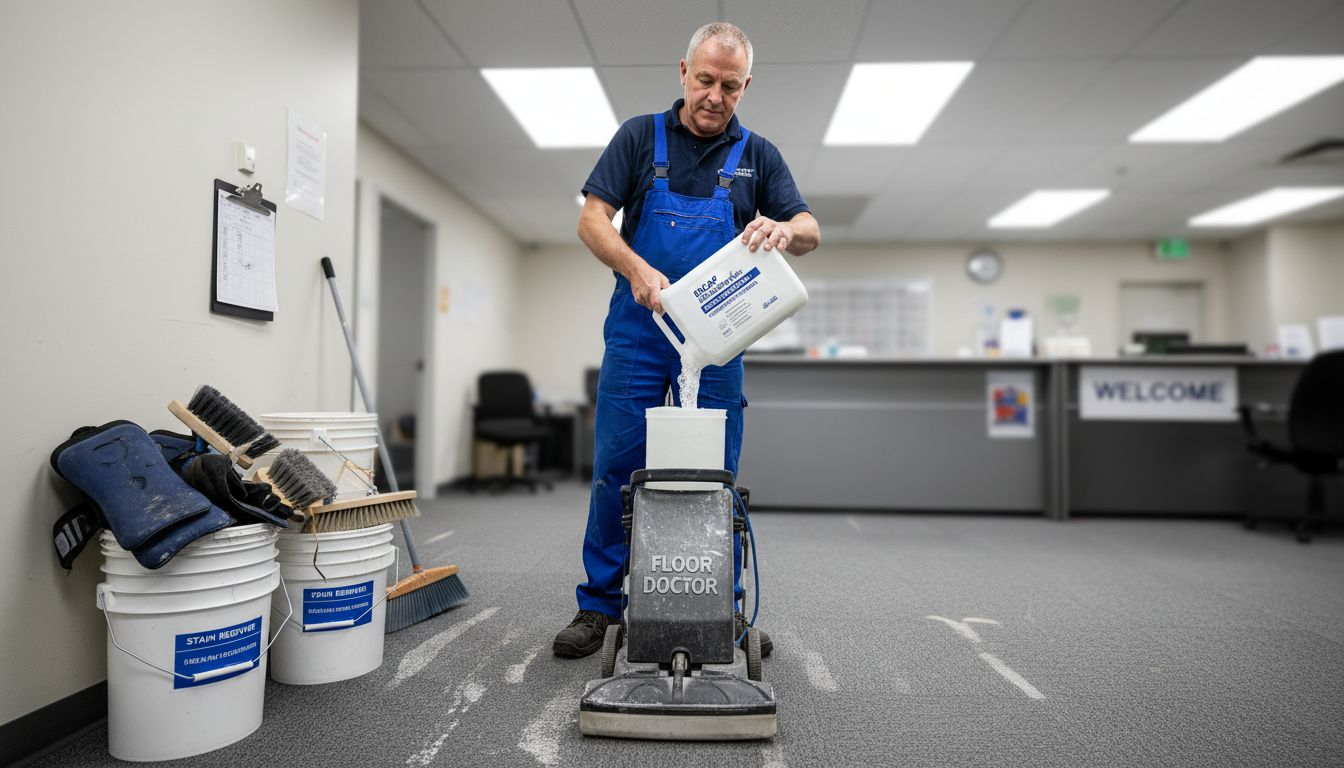
Dry compound cleaning represents one of the most straightforward and effective methods available today. The process involves applying specially formulated absorbent compounds directly to your carpet fibres, where they attract and encapsulate dirt particles like a magnet draws iron filings. Think of it as using a fine powder that grabs onto soil and dust, making it easy to extract later. Technicians work the compound into the carpet pile using rotary machines or brushes, allowing adequate contact time for the absorbing action to work. Once the compound has done its job, powerful vacuuming removes all the powder along with the trapped dirt and debris. This method works exceptionally well on moderately soiled carpets and leaves your flooring nearly dry immediately after cleaning, making it perfect when you need your lounge or bedroom back in service right away. Households in Croydon and Mount Evelyn particularly appreciate this method because the rapid drying prevents moisture from lingering in the humid valley climate.
Encapsulation Technology
Encapsulation takes dry cleaning to a more sophisticated level by using polymer crystallisation technology to lock dirt particles into microscopic capsules. When encapsulation solutions are applied to your carpet, polymers coat each soil particle and then crystallise as they dry, essentially creating tiny shells around the contamination. Once these polymer crystals form, they become brittle and easy to vacuum away, leaving your carpet clean and dry within hours. What makes encapsulation particularly clever is that it also reduces the likelihood of rapid re-soiling, since the cleaned fibres resist new dirt attachment better than they would after traditional extraction cleaning. This method has become increasingly popular with property managers in Healesville and commercial properties across the Yarra Valley because it delivers consistent results with minimal moisture and extended carpet cleanliness between professional services.
Foam Cleaning
Foam cleaning combines the benefits of mild detergent action with minimal moisture extraction. Technicians apply a specially formulated foam detergent to your carpet using either a low-moisture extraction machine or hand brush technique, which lifts dirt from the fibres without saturating the carpet base. The foam works like a gentle scrubbing agent that breaks down soils whilst remaining largely dry. After the foam has lifted the dirt, vacuuming removes the loosened particles along with most of the remaining foam residue. This method sits somewhere between traditional wet extraction and ultra-dry compound methods, offering a middle ground when you want chemical cleaning action but cannot tolerate extended drying times. Wandin North and Seville homeowners often choose foam cleaning for delicate fabrics or when they need carpets usable within just a few hours.
Comparing the Methods
You can think of these three approaches as a spectrum. Dry compound cleaning offers the fastest drying and least moisture but relies purely on physical absorption. Encapsulation provides advanced chemistry that actually improves soil resistance after cleaning. Foam cleaning delivers chemical cleaning power with moderate drying times. The choice depends on your specific situation, how soiled your carpets are, and your timeline.
Here’s a summary of how each dry carpet cleaning method suits different carpet needs:
| Method | Best For | Typical Dry Time | Chemical Use Level |
|---|---|---|---|
| Dry Compound | Quick cleans, moderate soiling | Under 1 hour | Minimal, powder-based |
| Encapsulation | Offices, soil resistance buildup | 1–2 hours | Low, polymer-based |
| Foam Cleaning | Delicate or lightly soiled areas | 2–3 hours | Moderate, foam detergent |
Pro tip: For high-traffic hallways and living areas, rotate between dry compound cleaning every 2 months and encapsulation cleaning every 6 months to maintain appearance whilst allowing the encapsulation polymer benefits to build up over time.
Step-By-Step Dry Cleaning Process Explained
Understanding exactly what happens when professionals clean your carpet using dry methods takes the mystery out of the process and helps you appreciate why this approach delivers such impressive results. Unlike the guesswork of DIY cleaning or the uncertainty of traditional methods, dry carpet cleaning follows a precise sequence designed to lift dirt, eliminate stains, and leave your flooring ready for use within hours. Whether you’re in Mooroolbark, Lilydale, or Croydon, knowing these steps gives you confidence that your carpets receive the proper treatment.
Step 1: Pre-Inspection and Assessment
Before any cleaning solution touches your carpet, your technician conducts a thorough pre-inspection to identify problem areas, existing stains, and the overall condition of your flooring. This critical first step determines which method will work best and whether special attention is needed for delicate spots or heavily trafficked zones. The technician examines your carpet type, pile height, colouration, and any existing damage to ensure the cleaning process won’t cause harm. For households in Chirnside Park or Healesville with older carpets or sensitive fabrics, this assessment proves invaluable in preventing mishaps.
Step 2: Pretreatment of Stains and Soiled Areas
Once the assessment is complete, technicians apply specialised spotting agents and emulsifiers directly to heavily soiled spots, high-traffic zones, and visible stains. These pretreatment solutions work to loosen and suspend soils that have bonded tightly to carpet fibres, essentially softening the dirt’s grip before the main cleaning process begins. The technician allows adequate dwell time for these agents to penetrate and work, typically a few minutes depending on the soil type. This step proves particularly effective on ground-in mud, pet accidents, or coffee spills that haven’t responded to regular vacuuming. Think of it as preparing the battlefield before the main cleaning assault begins.
Step 3: Application of Dry Cleaning Compounds
With pretreatment complete, the technician applies the dry cleaning compound or encapsulating polymer solution across the entire carpet using specialised low-moisture equipment. This machinery distributes the cleaning agents evenly without oversaturating your carpet, which is the whole point of dry cleaning. The compound either absorbs dirt particles directly or coats them in polymer crystals, depending on which dry method is being used. Technicians work methodically across the carpet, ensuring complete coverage of all areas. Wandin North and Mount Evelyn residents appreciate this stage because the minimal moisture means no standing water or oversaturation that would delay usage of the space.
Step 4: Dwell Time and Binding
After application, the cleaning agents require adequate time to work. During this dwell period, which typically ranges from 10 to 20 minutes, the dry compound binds with soil particles or the polymers begin crystallising around contaminants. This waiting period is crucial because it allows the chemistry to do its job. Technicians might use this time to work on other areas or allow the agents to penetrate deep into the carpet pile. Rushing this step compromises cleaning effectiveness, so professionals respect the process regardless of how quickly customers want their carpets finished.
Step 5: Mechanical Agitation and Brushing
Once adequate dwell time has passed, technicians use rotary machines or hand brushing to agitate the carpet pile and help dislodge the bound soil particles. This mechanical action works in concert with the chemical pretreatment to break apart stubborn residues and ensure maximum soil removal. The brushing action also helps distribute any remaining cleaning agents evenly and maximises contact between the solution and carpet fibres. For properties in Seville and Croydon with deeply soiled carpets, this step can make the difference between acceptable and exceptional results.
Step 6: Thorough Vacuuming and Final Inspection
The final step involves comprehensive vacuuming to remove all loosened dirt, cleaning residues, and dried compounds from your carpet. Industrial-strength vacuum equipment extracts the transformed soils, leaving your carpet clean, dry, and ready for immediate use. Technicians pay special attention to high-traffic areas and edges where compounds tend to accumulate. A final inspection confirms complete removal of all cleaning agents and soil, ensuring your carpet looks fresh and feels clean underfoot. The entire process from start to finish typically takes only a few hours, leaving your carpets in Mooroolbark, Lilydale, or anywhere across the Yarra Valley ready for normal use that same day.
Pro tip: Clear your floor space and move lightweight furniture before your cleaning appointment so technicians can access all carpet areas without delay, and schedule dry cleaning during low-traffic periods to maximise dwell time and allow agents to work most effectively.
Benefits and Drawbacks Compared to Steam Cleaning
Choosing between dry carpet cleaning and steam cleaning means understanding where each method excels and where it falls short. Both approaches deliver clean carpets, but they work fundamentally differently and suit different situations. For Yarra Valley residents deciding which method to use, the reality is that neither is universally superior, everything depends on your specific circumstances, carpet type, and how quickly you need to use your spaces again.
Where Dry Cleaning Wins
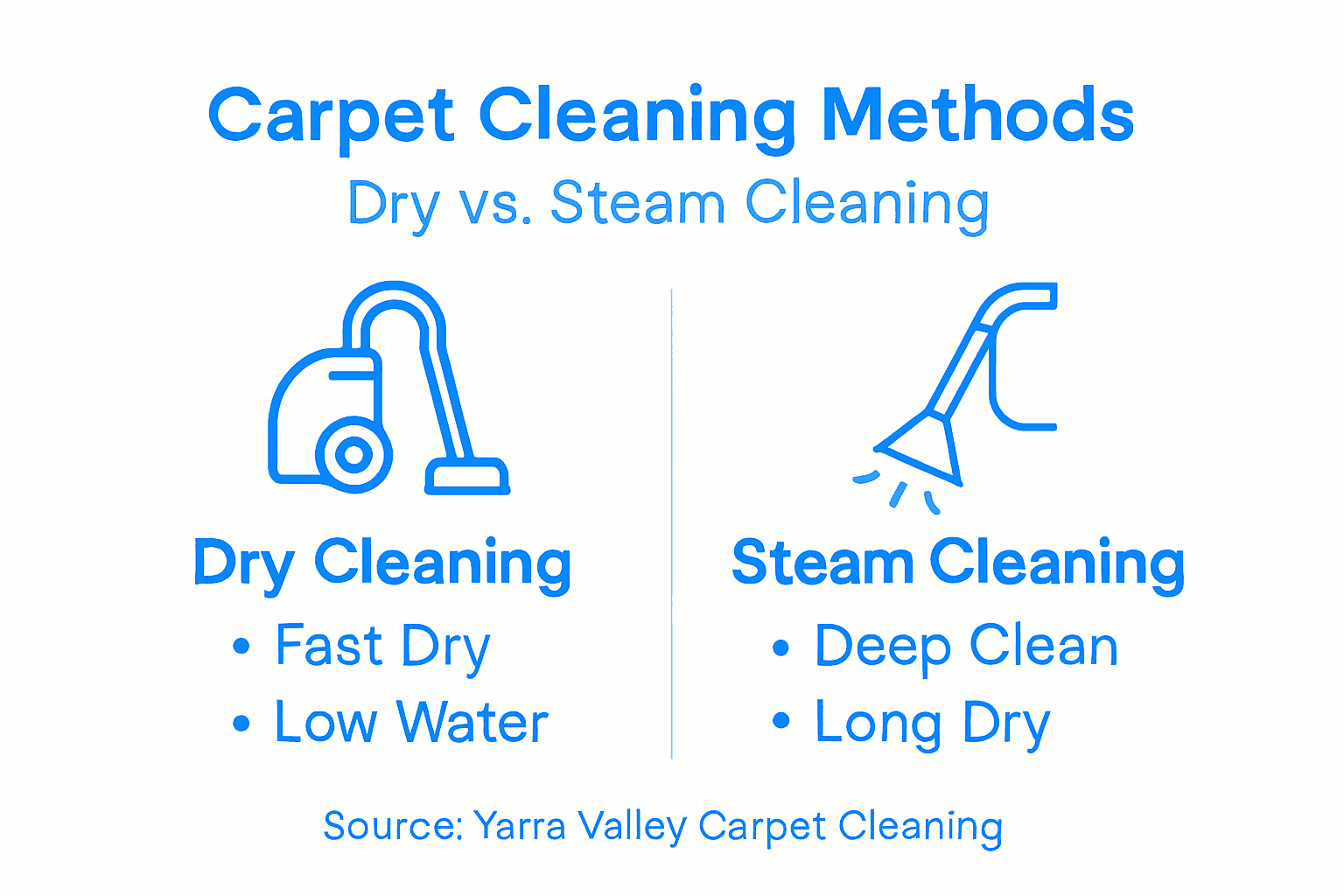
The speed advantage of dry cleaning is substantial and transformative for busy households. Dry carpet cleaning methods typically deliver carpets ready for use within hours, often under one hour in many cases, whilst steam cleaning requires significantly longer drying periods ranging from 6 to 12 hours or even longer depending on humidity and air circulation. This matters tremendously when you have children, pets, or high-traffic areas in Mooroolbark or Lilydale where you cannot afford extended downtime. You can move furniture back immediately, walk on the carpet without concern, and resume normal living without disruption.
Dry cleaning also consumes considerably less water and energy compared to steam methods. For environmentally conscious homeowners in Chirnside Park and Croydon, this efficiency translates to a smaller ecological footprint. You’re not introducing vast quantities of moisture into your carpet base, which eliminates several problems associated with excessive water saturation. There’s no risk of mildew or mould developing underneath your carpet after cleaning, a real concern in the humid Yarra Valley climate where excess moisture can linger for days. Additionally, the reduced moisture means less strain on your carpet’s structure and backing, potentially extending its lifespan compared to repeated exposure to the steam cleaning saturation process.
Where Dry Cleaning Shows Limitations
However, dry cleaning has genuine limitations that make it unsuitable for certain situations. Heavy soil accumulation or deeply ingrained stains sometimes require the aggressive power of steam cleaning’s hot water extraction. If your carpets have years of ground-in dirt from high-traffic commercial areas or pet accidents that have had time to bond at the fibre level, steam cleaning’s deep penetration may achieve better results than dry methods alone. Properties in Healesville or Wandin North with older carpet installations or extreme soiling might benefit more from steam cleaning’s thorough extraction capability.
Dry cleaning compounds can occasionally leave residue if not properly vacuumed, creating a slight stiffness or tackiness that some people notice underfoot. Whilst professional technicians know how to avoid this through thorough final vacuuming, it remains a possibility with dry methods. Steam cleaning generally avoids this issue because the hot water extraction removes most liquid and dissolved residues completely. Additionally, certain carpet types, particularly delicate or antique fabrics, may respond better to dry methods, but wool blends and synthetic carpets sometimes show better results with steam extraction’s deeper cleaning action.
Compare at a glance the main pros and cons of dry carpet cleaning versus steam cleaning:
| Factor | Dry Carpet Cleaning | Steam Cleaning |
|---|---|---|
| Drying Time | Ready in 1–3 hours | Requires 6–12 hours or more |
| Water Usage | Very low moisture | High water use, may over-wet carpet |
| Soil Removal | Effective for surface/medium soils | Superior for heavy, deep soil |
| Environmental | Fewer chemicals, lower energy | High water use, modern eco options |
| Risk of Mould | Minimal, quick drying | Higher, especially in humid climate |
The Environmental Perspective
Environmental considerations favour dry cleaning in most cases. Dry methods consume less water overall and eliminate the need for lengthy drying periods that increase energy consumption. However, some dry cleaning compounds still require careful management regarding chemical emissions and proper disposal, so working with professional cleaners who use eco-friendly formulations becomes important. Steam cleaning’s water consumption is substantial, but modern systems recycle water and use environmentally responsible detergents, making this less of a concern than in years past.
Making Your Decision
For most Yarra Valley homeowners in Mooroolbark, Lilydale, Croydon, and Mount Evelyn, dry cleaning offers the ideal balance of speed, efficiency, and results for regular maintenance cleaning. Reserve steam cleaning for annual deep cleans or situations involving heavy soiling, pet damage, or stubborn stains that dry methods have not fully addressed. Many professional cleaning companies, including those servicing the Yarra Valley, recommend a combination approach where dry cleaning handles routine maintenance every 2 to 3 months and steam cleaning tackles deep cleaning annually or as needed for problem areas.
Pro tip: Ask your carpet cleaner to assess your specific carpet type and current soiling level before committing to either method, as professional recommendations based on your carpet’s condition often provide better results than choosing based on preference alone.
Is Dry Cleaning Right for Your Carpet Needs
Determining whether dry carpet cleaning suits your situation requires honest assessment of your carpet type, current condition, lifestyle demands, and long-term maintenance goals. Dry cleaning is not universally ideal for every household, but it is genuinely transformative for many Yarra Valley homeowners. Understanding where dry cleaning excels and where other methods might serve you better prevents wasting money on unsuitable solutions and ensures your carpets receive the appropriate care they deserve.
Carpet Type Matters Most
Your carpet’s fibre composition is the starting point for any cleaning decision. Synthetic carpets, particularly polyester and polypropylene varieties common in Australian homes, respond exceptionally well to dry cleaning methods. These materials are engineered to resist moisture and handle the minimal water exposure that dry methods introduce. If you have synthetic carpets throughout your Mooroolbark, Lilydale, or Chirnside Park home, dry cleaning is almost always an excellent choice. Conversely, natural fibre carpets demand more consideration. Wool carpets, whilst durable, can sometimes benefit from gentler treatment than what dry cleaning compounds provide. Carpet fibre type and backing materials directly influence which cleaning methods maintain warranty coverage and preserve fabric integrity. Check your carpet documentation or contact the retailer to confirm what the manufacturer recommends. This simple step can save you from accidentally voiding your carpet warranty through inappropriate cleaning.
Assess Your Lifestyle and Usage
Consider how your household actually uses your carpets. High-traffic households with children, pets, and constant activity in Croydon or Wandin North generate moderate but consistent soil accumulation. For these situations, dry cleaning every 2 to 3 months provides excellent maintenance and keeps carpets looking fresh without the inconvenience of extended drying times. Low-traffic areas like formal lounges or bedrooms in Healesville can go longer between cleanings or might benefit from less frequent deep cleaning cycles. If you have pets that occasionally have accidents, active toddlers prone to spilling juice, or you simply cannot tolerate damp carpets underfoot, dry cleaning becomes almost essential rather than optional. The ability to use your spaces immediately after cleaning is not a luxury, it is a genuine lifestyle benefit that should factor heavily into your decision.
Soil Level and Problem Areas
Carpets with light to moderate soiling typically respond beautifully to dry cleaning. If your main concern is refreshing appearance, eliminating odours, and maintaining cleanliness between deeper cleans, dry methods deliver outstanding results. However, if you have years of accumulated ground-in dirt, heavily stained traffic patterns, or stubborn pet odours that have penetrated deep into the carpet backing, dry cleaning alone might not completely resolve the problem. In these cases, you might benefit from a combination approach: start with steam cleaning to address deep soiling, then maintain with dry cleaning for speed and efficiency. Mount Evelyn and Seville properties with older installations sometimes fall into this category. A professional assessment from your local cleaner can determine whether your specific situation warrants dry cleaning, steam cleaning, or a combination strategy.
Commercial Versus Residential Contexts
Dry cleaning shines in commercial environments where downtime is expensive and rapid service return is critical. Offices, retail spaces, and facilities across the Yarra Valley often require dry cleaning specifically because foot traffic cannot wait for 8 to 12 hour drying periods. Residential homes have more flexibility, but busy families often discover they prefer dry cleaning’s speed anyway. If your home functions partially as a workspace, has frequent visitors, or hosts regular gatherings, the ability to clean your carpets and have them immediately useable becomes highly valuable. Think about your actual usage patterns rather than theoretical preferences.
Making Your Final Decision
Bring together all these factors: your carpet fibre type, your household’s actual usage patterns, current soil level, and your timeline needs. Most Yarra Valley households benefit from dry cleaning as their primary maintenance method, supplemented with annual or biennial steam cleaning for deep restoration if needed. This balanced approach delivers consistent cleanliness, extended carpet life, and genuine convenience. Your carpet cleaner can help assess whether this strategy suits your specific carpets and circumstances.
Pro tip: Contact your carpet manufacturer or check the installation documentation for their specific cleaning recommendations before committing to either dry or steam cleaning, as manufacturer guidelines often reveal whether dry methods are suitable for your warranty coverage.
Discover Fast and Eco-Friendly Carpet Cleaning Solutions with Yarra Valley Experts
Struggling with slow drying times and worrying about moisture damage in your carpets Our comprehensive dry carpet cleaning methods provide the perfect solution. Designed to lift dirt and stains quickly while using minimal moisture this approach prevents mould growth and minimises downtime after cleaning. At Yarra Valley Carpet Cleaning we understand how important rapid return to normal living is for busy households and businesses across Lilydale, Mooroolbark, and the wider Yarra Valley.
Take advantage of advanced dry cleaning technologies like encapsulation and dry compound cleaning to keep your carpets looking fresh in high-traffic areas without waiting days for drying. Our family-owned team combines eco-friendly products with professional expertise to deliver healthy, spotless results you can trust. Explore our premium carpet care services on the Uncategorized Archives – Yarra Valley Carpet Cleaning page and learn why so many local residents choose us.
Ready to revitalise your carpets fast with environmentally responsible cleaning Contact Yarra Valley Carpet Cleaning today for a personalised consultation and experience efficient carpet care that fits your lifestyle. Don’t let damp or dirty carpets hold you back get in touch now to book your appointment.
Frequently Asked Questions
What is dry carpet cleaning and how does it work?
Dry carpet cleaning is a method that uses minimal moisture combined with specialized machines and cleaning compounds to lift dirt and stains from carpet fibres. It involves pretreatment of heavily soiled areas, agitation with specialized machines, and vacuuming to remove loosened soil within a few hours.
How does dry carpet cleaning differ from steam cleaning?
Dry carpet cleaning offers rapid drying times, often within hours, while steam cleaning can take 6 to 12 hours or more to dry. Additionally, dry cleaning uses less water and energy, making it a more eco-friendly option in many cases.
Are there different types of dry carpet cleaning methods?
Yes, the main types of dry carpet cleaning methods include dry compound cleaning, encapsulation technology, and foam cleaning. Each method has distinct advantages depending on carpet type, soil level, and drying time requirements.
How often should I have my carpets dry cleaned?
For carpets with light to moderate soiling, it’s recommended to dry clean every 3 to 4 months, especially in high-traffic areas. This helps maintain appearance and prevents dirt from becoming embedded in the fibres.
Recommended
- Choosing Eco-Friendly Carpet Cleaners in 2025: A Guide for Yarra Valley Residents – Yarra Valley Carpet Cleaning
- Family-Friendly Carpet Cleaning Tips for Safe and Fresh Homes 2025 – Yarra Valley Carpet Cleaning
- Carpet Cleaning Hotels: Expert Tips for Clean Spaces 2025 – Yarra Valley Carpet Cleaning
- Choosing Eco-Friendly Carpet Cleaners in 2025: A Guide for Yarra Valley Residents – Yarra Valley Carpet Cleaning
- Understanding Eco-Friendly HVAC Solutions for Your Home – HVAC Service and Repair | Louisville, KY | Project Heating & Cooling