
Many business owners assume traditional cleaning methods adequately maintain workplace hygiene, yet these approaches often leave behind bacteria, allergens, and contaminants that compromise employee health and indoor air quality. Commercial steam cleaning offers a scientifically proven alternative that eliminates up to 99.9% of bacteria and dust mites whilst reducing chemical dependency. For Yarra Valley businesses seeking effective, eco-friendly facility maintenance, understanding steam cleaning’s advantages transforms how you approach workplace cleanliness and creates healthier environments for staff and customers.
Table of Contents
- How Commercial Steam Cleaning Improves Hygiene And Air Quality
- Comparing Steam Cleaning With Traditional Commercial Cleaning Methods
- Practical Benefits For Yarra Valley Business Owners And Facility Managers
- Explore Professional Commercial Steam Cleaning Services In Yarra Valley
- What Surfaces Can Commercial Steam Cleaning Be Used On?
- How Often Should Commercial Steam Cleaning Be Scheduled?
- Is Commercial Steam Cleaning Safe For The Environment?
- Can Steam Cleaning Help Reduce Allergens In Commercial Buildings?
Key takeaways
| Point | Details |
|---|---|
| Superior sanitation | Steam cleaning eliminates 99.9% of bacteria and allergens through high-temperature treatment |
| Improved air quality | Removes contaminants effectively, reducing airborne pathogens and allergen triggers |
| Eco-friendly approach | Minimises chemical use whilst delivering professional-grade cleanliness |
| Versatile application | Suitable for carpets, upholstery, hard floors, and various commercial surfaces |
| Healthier workplaces | Supports employee wellbeing by creating cleaner, safer indoor environments |
How commercial steam cleaning improves hygiene and air quality
Steam cleaning operates through a simple yet powerful principle: superheated water vapour penetrates surfaces at temperatures exceeding 100°C, physically destroying bacteria, viruses, and dust mites on contact. This thermal sanitisation process reaches deep into carpet fibres and upholstery materials where traditional cleaning methods cannot access. The high-temperature steam kills germs naturally without requiring harsh chemical disinfectants that leave residues or emit volatile organic compounds.
Research demonstrates that steam cleaning eliminates up to 99.9% of harmful microorganisms, making it particularly valuable for commercial environments where hygiene standards directly impact employee health and business reputation. The process removes allergens including pollen, pet dander, and mould spores that conventional vacuuming merely redistributes into the air. By extracting these contaminants rather than spreading them, steam cleaning measurably improves indoor air quality.
The benefits extend beyond pathogen elimination. Steam penetrates porous materials to lift embedded dirt, oils, and organic matter that harbour bacteria growth between cleaning sessions. This deep sanitisation proves especially critical in high-traffic commercial spaces where contaminants accumulate rapidly. The commercial steam cleaning process for workspaces typically involves pre-treatment, systematic steam application, and extraction phases that together create genuinely clean surfaces.
Pro Tip: Maintain steam equipment at manufacturer-recommended temperatures and pressure levels to ensure maximum germ-killing efficiency whilst protecting surface materials from heat damage.
Commercial applications benefit from steam cleaning’s versatility across surface types. The method works effectively on:
- Carpeted floors and area rugs in offices and retail spaces
- Upholstered furniture including reception seating and boardroom chairs
- Hard flooring materials such as tile, vinyl, and sealed concrete
- Fabric partitions and acoustic panels in open-plan workspaces
“Steam cleaning provides the deepest level of sanitation available without introducing chemical residues that can trigger respiratory issues or skin sensitivities amongst employees and customers.”
This chemical-free approach aligns perfectly with growing workplace health initiatives and environmental sustainability commitments. Businesses reduce their chemical footprint whilst achieving superior cleanliness outcomes, creating win-win scenarios for facility managers balancing multiple priorities.
Comparing steam cleaning with traditional commercial cleaning methods
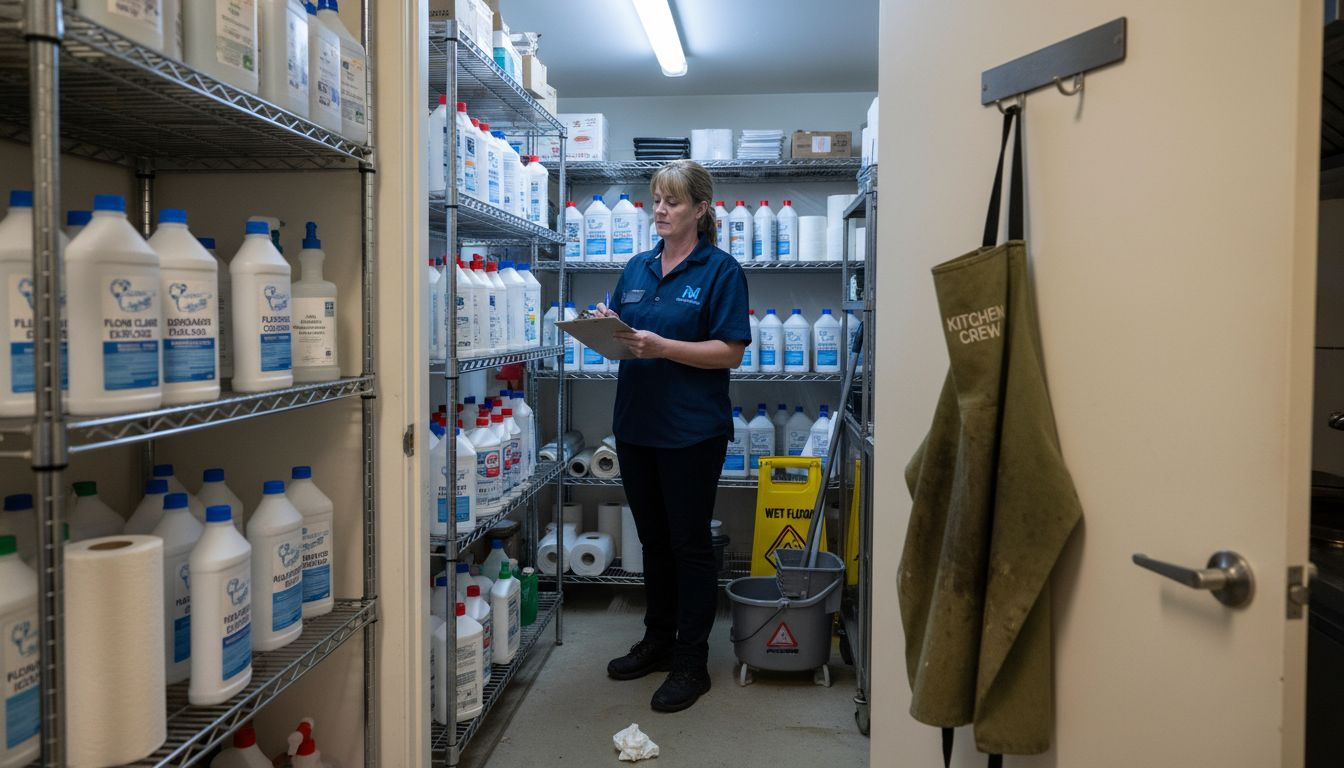
Traditional commercial cleaning typically relies on chemical detergents, surface wiping, and vacuum extraction to maintain appearances. Whilst these methods remove visible dirt, they fundamentally differ from steam cleaning in their sanitisation capabilities and environmental impact. Chemical cleaners require correct dilution ratios, contact time, and often multiple product applications to address different soil types. Many leave behind residues that attract dirt faster or release fumes affecting indoor air quality.
Vacuuming represents the most common maintenance approach for commercial carpets, yet it only removes loose surface debris. Dust mites, bacteria, and allergens embedded within carpet pile remain untouched. The difference between steam and dry cleaning becomes apparent when considering penetration depth and sanitisation effectiveness. Dry cleaning methods use minimal moisture but lack the thermal kill capability that steam provides.
Chemical-based cleaning systems present several operational challenges. They require proper storage of potentially hazardous materials, staff training on safe handling procedures, and compliance with workplace health and safety regulations. Products must be replenished regularly, adding to ongoing operational costs. In contrast, steam cleaning offers superior sanitisation with minimal environmental impact, using primarily water heated to effective temperatures.
| Cleaning Method | Sanitisation Level | Chemical Use | Drying Time | Environmental Impact |
|---|---|---|---|---|
| Steam Cleaning | 99.9% pathogen elimination | None required | 2-4 hours | Minimal water, zero chemicals |
| Chemical Cleaning | Variable, depends on product | High | 4-8 hours | Chemical residues, packaging waste |
| Vacuuming Only | Surface dirt removal | None | Immediate | Low impact, no sanitisation |
| Dry Cleaning | Moderate | Low to moderate | 1-2 hours | Chemical solvents, limited penetration |
The operational advantages extend beyond cleaning effectiveness. Steam cleaning equipment heats water internally, eliminating the need for separate chemical mixing stations or storage areas. This simplifies logistics for facility managers coordinating cleaning schedules across multiple locations. The faster drying times associated with steam extraction mean commercial spaces return to full operation more quickly, reducing business disruption.
Pro Tip: Schedule steam cleaning sessions during off-hours or weekends to maximise workspace readiness whilst ensuring thorough treatment without rushing the process.
From a cost perspective, steam cleaning reduces long-term expenses despite potentially higher initial service fees. The method extends carpet and upholstery lifespan by removing abrasive soil particles that cause fibre degradation. This preservation effect delays expensive replacement cycles. Additionally, improved indoor air quality correlates with reduced employee sick leave, delivering measurable return on investment through productivity gains.
The comparison between vacuuming and steam cleaning reveals that combining both methods creates optimal maintenance programmes. Regular vacuuming removes surface debris between professional steam cleaning sessions, whilst quarterly or bi-annual steam treatments provide deep sanitisation that vacuuming cannot achieve. This layered approach balances daily maintenance with thorough periodic cleaning.
Practical benefits for Yarra Valley business owners and facility managers
Yarra Valley businesses face unique maintenance challenges stemming from the region’s climate conditions and diverse commercial sectors. Wineries, hospitality venues, healthcare facilities, and corporate offices all require cleaning solutions that meet industry-specific hygiene standards whilst supporting sustainability commitments. Commercial steam cleaning addresses these requirements through proven effectiveness and operational flexibility.
Health regulation compliance becomes simpler when facilities implement steam cleaning protocols. Food service businesses benefit from chemical-free sanitisation that meets stringent health department standards without risking chemical contamination of food preparation areas. Healthcare and aged care facilities reduce infection transmission risks through regular steam treatment of high-touch surfaces and soft furnishings. The steam cleaning benefits for businesses include documented pathogen reduction that supports audit requirements.
Employee wellbeing improvements deliver tangible business value. Research shows that reducing airborne allergens and pathogens through steam cleaning contributes to fewer sick days and improved workplace satisfaction. Cleaner air means fewer respiratory complaints, reduced allergy symptoms, and better concentration levels amongst staff. These health benefits translate directly to productivity gains and lower absenteeism costs.
Financial advantages accumulate over time through multiple mechanisms. Steam cleaning preserves carpet and upholstery investments by removing damaging soil particles before they cause permanent wear. This extends replacement cycles by years, representing significant capital expenditure savings. The reduction in chemical purchases, storage requirements, and handling procedures also lowers operational costs. For businesses tracking environmental metrics, steam cleaning supports sustainability reporting through reduced chemical usage and waste generation.
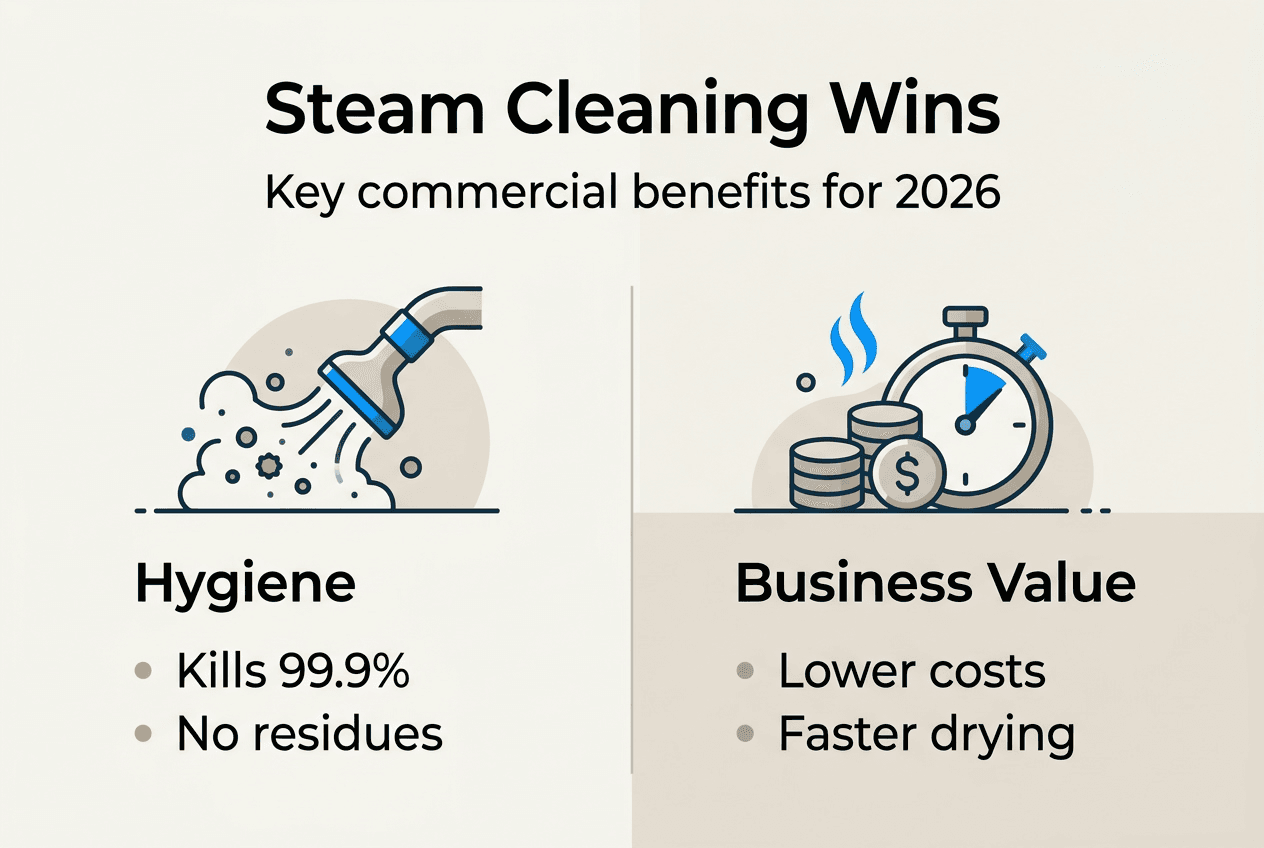
Local Yarra Valley businesses particularly value the environmental credentials that steam cleaning provides. Customer expectations increasingly favour businesses demonstrating genuine environmental responsibility. The ability to maintain immaculate facilities using eco-friendly methods becomes a competitive differentiator, especially in hospitality and tourism sectors where customer perception directly impacts revenue.
Integrating steam cleaning into facility maintenance schedules requires strategic planning:
- Assess current cleaning frequency and identify high-traffic areas requiring more intensive treatment
- Establish baseline measurements for indoor air quality and surface contamination levels
- Schedule initial comprehensive steam cleaning across all carpeted and upholstered areas
- Implement quarterly maintenance steam cleaning for general areas, monthly for high-traffic zones
- Monitor outcomes through air quality testing, employee feedback, and visual inspections
| Metric | Traditional Cleaning | Steam Cleaning | Improvement |
|---|---|---|---|
| Annual cost per 100m² | $1,200 | $1,400 | Higher initial cost |
| Carpet lifespan | 5-7 years | 8-12 years | 60% extension |
| Chemical usage | 45L annually | 0L | 100% reduction |
| Sick days per employee | 6.2 days | 4.1 days | 34% decrease |
| Customer satisfaction | 78% | 89% | 14% increase |
The commercial carpet steam cleaning approach used by professional services ensures consistent results across different facility types. Trained technicians understand how to adjust steam temperature, pressure, and application techniques for various materials and soil conditions. This expertise prevents damage whilst maximising cleaning effectiveness, delivering outcomes that in-house staff using rental equipment cannot replicate.
Explore professional commercial steam cleaning services in Yarra Valley
Yarra Valley Carpet Cleaning brings professional-grade steam cleaning expertise to businesses throughout the region, from Lilydale to Healesville and everywhere between. Our family-owned team understands local business needs and delivers tailored cleaning solutions that improve workplace hygiene whilst supporting your environmental commitments. We use advanced equipment and proven techniques to achieve the deep sanitisation results that traditional cleaning methods cannot match.
Our commercial steam cleaning process combines pre-treatment assessment, systematic steam application, and thorough extraction to eliminate bacteria, allergens, and embedded contaminants. We work around your business schedule to minimise disruption, offering flexible timing that keeps your operations running smoothly. Whether you need regular maintenance cleaning or intensive restoration, our experienced team delivers consistently excellent results.
Find carpet cleaning services near you across the Yarra Valley and discover how professional steam cleaning transforms workplace environments. We also provide comprehensive carpet care guidance to help you maintain results between professional treatments, maximising your cleaning investment and keeping facilities looking their best year-round.
What surfaces can commercial steam cleaning be used on?
Steam cleaning proves effective across numerous commercial surfaces including carpets, upholstery, vinyl flooring, ceramic tiles, and sealed concrete. The method works particularly well on fabric-based materials where bacteria and allergens accumulate within fibres. Hard surfaces benefit from steam’s ability to sanitise grout lines and textured areas that harbour contaminants. Always verify material compatibility before treatment, as some delicate fabrics or unsealed wood surfaces may require alternative approaches. Professional cleaners assess surface types during initial consultations to recommend appropriate steam cleaning applications for your specific facility.
How often should commercial steam cleaning be scheduled?
Scheduling frequency depends on foot traffic levels, business type, and contamination risks specific to your operations. General office environments typically benefit from quarterly steam cleaning, whilst retail spaces with higher traffic may require monthly treatments. Healthcare facilities, childcare centres, and food service businesses often implement more frequent schedules to maintain stringent hygiene standards. High-traffic entrance areas and common spaces need more intensive attention than private offices or storage areas. Professional steam cleaning schedule recommendations consider your specific circumstances to create maintenance programmes that balance effectiveness with budget constraints.
Is commercial steam cleaning safe for the environment?
Steam cleaning represents one of the most environmentally responsible commercial cleaning methods available. The process uses only heated water, eliminating chemical products that pollute waterways or create toxic waste requiring special disposal. Water consumption remains minimal compared to traditional extraction cleaning, as steam’s concentrated heat requires less liquid volume to achieve superior results. The method produces no harmful residues or volatile organic compound emissions that degrade indoor air quality. Businesses pursuing sustainability certifications find steam cleaning aligns perfectly with eco-friendly cleaning solutions that support environmental goals whilst maintaining professional standards.
Can steam cleaning help reduce allergens in commercial buildings?
High-temperature steam effectively destroys dust mites, mould spores, pollen, and other common allergens that accumulate in commercial environments. The thermal treatment kills these organisms rather than simply removing them, preventing regrowth and reducing allergen loads significantly. Studies confirm that steam cleaning eliminates up to 99.9% of bacteria and dust mites, directly addressing primary allergen sources. This reduction creates healthier indoor air quality, particularly benefiting employees with asthma, hay fever, or chemical sensitivities. Regular steam cleaning maintains low allergen levels between treatments, supporting workplace wellness initiatives. Businesses implementing allergen reduction programmes through steam cleaning often report measurable improvements in employee comfort and productivity.
Recommended
- Steam Cleaning Benefits for Homes and Businesses in 2025 – Yarra Valley Carpet Cleaning
- Commercial Steam Cleaning: A Spotless Solution for Yarra Valley Businesses – Yarra Valley Carpet Cleaning
- Steam Cleaning Process: A Guide for Yarra Valley in 2025 – Yarra Valley Carpet Cleaning
- Deep Steam Cleaning: Fresh, Healthier Yarra Valley Homes – Yarra Valley Carpet Cleaning