
More than 90 percent of australian families spend most of their time indoors, yet many overlook how carpets affect air quality at home. Hidden in carpet fibres are dust mites, pet dander, and other allergens that can trigger respiratory issues if left unchecked. With growing concerns about indoor pollution, understanding how carpets contribute to cleaner or more polluted air helps residents protect their wellbeing and make smarter cleaning choices.
Table of Contents
- Air Quality And Carpets Explained
- Common Carpet Pollutants And Allergens
- How Carpets Impact Indoor Air Quality
- Health Risks Associated With Poor Carpet Care
- Effective Carpet Cleaning For Better Air
Key Takeaways
| Point | Details |
|---|---|
| Carpets and Air Quality | Carpets can collect pollutants and allergens, impacting indoor air quality significantly. Regular cleaning is essential to mitigate these effects. |
| Importance of Maintenance | Consistent carpet maintenance, including professional deep cleaning every 6-12 months, is crucial for health safety. |
| Health Risks of Neglect | Poor carpet care can lead to respiratory issues and allergic reactions due to trapped dust mites and mould. |
| Effective Cleaning Strategies | Using HEPA-filtered vacuums and eco-friendly cleaning products can enhance indoor air quality by removing harmful pollutants. |
Air Quality and Carpets Explained
Carpets play a surprisingly complex role in indoor air quality, acting as both potential pollutant collectors and air filtration surfaces. According to health.gov.au, carpets can emit volatile organic compounds (VOCs) and trap significant amounts of allergens like dust mites, pet dander, and microscopic particulate matter that directly impact respiratory health.
In homes across the Yarra Valley region, from Lilydale to Croydon, carpet maintenance becomes crucial for managing indoor air quality. Indoor air pollutants can accumulate rapidly in carpet fibres, creating potential health risks for residents. As yourhome.gov.au explains, proper carpet cleaning and maintenance are essential strategies for mitigating these environmental health challenges.
The microscopic world within carpet fibres tells a complex story. Dust mites, skin cells, pollen, and various airborne particles become embedded deep in carpet weaves, creating potential breeding grounds for allergens and respiratory irritants. Regular professional cleaning can dramatically reduce these trapped pollutants, helping to create a healthier indoor environment. For residents in areas like Mooroolbark and Chirnside Park, understanding these dynamics can lead to more informed decisions about carpet care and home air quality management.
Strategies for managing carpet-related air quality include:
- Vacuuming with HEPA filter equipped machines
- Professional deep cleaning every 6-12 months
- Maintaining low indoor humidity levels
- Selecting hypoallergenic carpet materials
- Implementing regular maintenance schedules
By recognising carpets as active participants in indoor air quality, homeowners can take proactive steps to create cleaner, healthier living spaces.
Common Carpet Pollutants and Allergens
Homeowners often overlook the microscopic world living within their carpet fibres. According to lung.org, carpets can harbour a complex ecosystem of potential health hazards, including dust mites, pet dander, mold spores, and volatile organic compounds (VOCs) from manufacturing materials and adhesives. These pollutants can become airborne during routine activities like walking or vacuuming, potentially triggering respiratory issues and allergic reactions.
In the Yarra Valley region, from Lilydale to Mooroolbark, understanding these carpet pollutants becomes crucial for maintaining a healthy home environment. Different types of pollutants accumulate at varying rates depending on factors like household humidity, pet ownership, foot traffic, and local environmental conditions. Common allergens such as dust mites thrive in warm, humid carpet environments, reproducing rapidly and creating significant indoor air quality challenges.
The most prevalent carpet pollutants include:
- Dust mites and their waste particles
- Pet dander and hair
- Pollen and outdoor tracked particulates
- Mold spores
- Skin cells
- Textile fibres
- Chemical residues from cleaning products
For residents in areas like Croydon and Chirnside Park, regular professional carpet cleaning becomes an essential strategy for mitigating these hidden health risks. 8 Best Carpet Cleaning Tips for Allergies Relief can provide additional insights into managing these microscopic invaders effectively.
Understanding and addressing carpet pollutants requires a proactive approach. Regular vacuuming with HEPA-filtered equipment, maintaining low indoor humidity, and scheduling professional deep cleaning can significantly reduce the concentration of these harmful substances. By implementing consistent maintenance strategies, homeowners can transform their carpets from potential health hazards into clean, safe surfaces that contribute positively to indoor air quality.
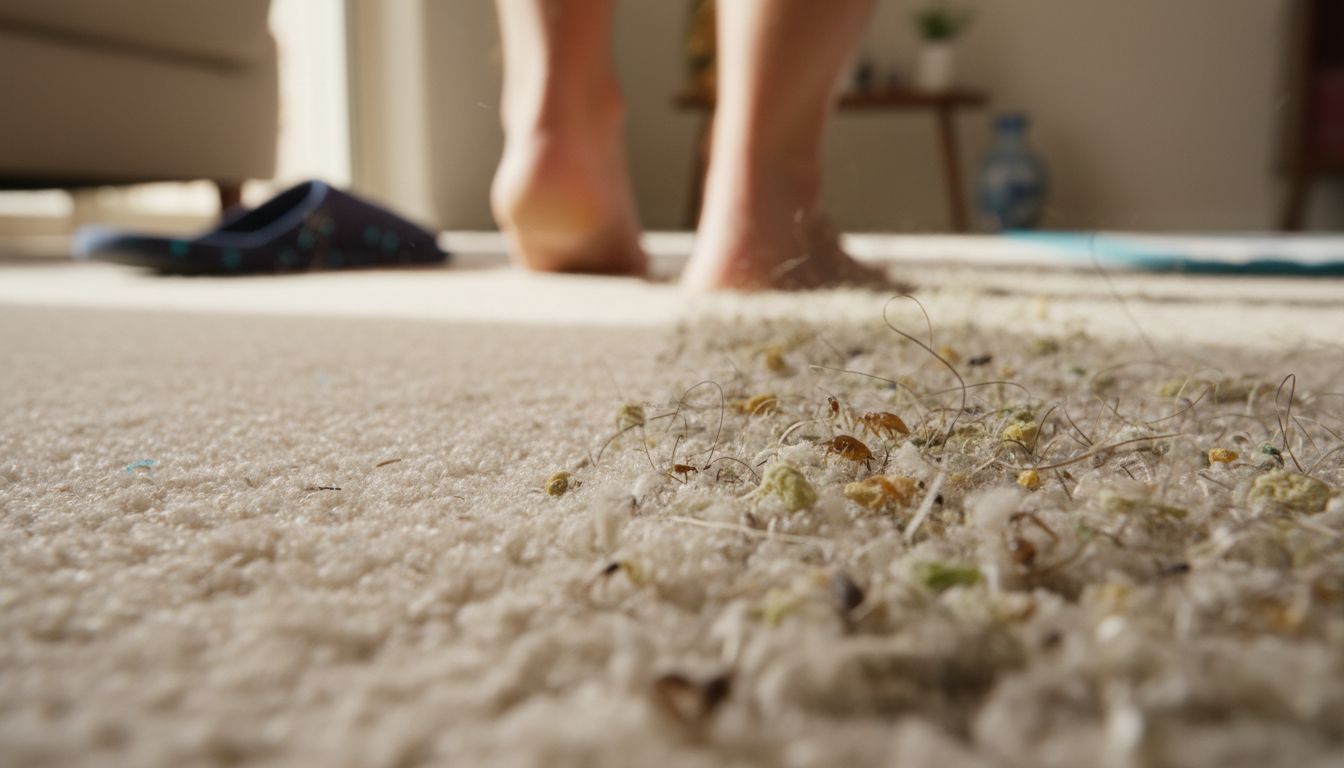
How Carpets Impact Indoor Air Quality
Contrary to common misconceptions, carpets play a nuanced role in indoor air quality management. According to news.cornell.edu, carpets can actually improve indoor air quality by trapping contaminants and allergens, preventing them from becoming airborne. This unique filtration capability depends critically on proper maintenance and regular cleaning strategies.
In the Yarra Valley region, from Lilydale to Mooroolbark, understanding carpet’s air quality dynamics becomes essential for homeowners. carpetinstitute.com.au highlights that well-maintained carpets can trap dust particles more effectively than hard flooring, potentially reducing airborne dust and offering significant benefits for individuals with respiratory sensitivities.
Key ways carpets influence indoor air quality include:
- Trapping airborne particulates
- Reducing dust circulation
- Absorbing potential pollutants
- Minimizing noise and acoustic transmission
- Providing thermal insulation
For comprehensive insights into maintaining healthy indoor environments, homeowners can explore our guide on the impact of clean carpets on health, which offers detailed strategies for optimal carpet maintenance.
The critical factor in leveraging carpets’ air quality benefits lies in consistent, professional maintenance. Regular vacuuming with HEPA-filtered equipment, professional deep cleaning, and prompt stain removal can transform carpets from potential air quality challenges into effective environmental filters. By understanding and implementing these strategies, residents across the Yarra Valley can create healthier, cleaner living spaces that support respiratory wellness and overall indoor comfort.
Health Risks Associated With Poor Carpet Care
Neglected carpets can become breeding grounds for numerous health hazards. According to megaclean.com.au, inadequate carpet maintenance can lead to significant accumulation of dust mites, pet dander, and mold, which may trigger serious allergic reactions and respiratory complications. These microscopic threats multiply rapidly in unclean environments, posing substantial risks to household health.
In the Yarra Valley region, from Lilydale to Mooroolbark, understanding these potential health risks becomes crucial. advancedns.com.au highlights that carpets can harbor contaminants that become airborne when disturbed, potentially causing respiratory problems. Moisture-damaged carpets are particularly dangerous, as they create ideal conditions for mold growth and bacterial proliferation.
Potential health risks associated with poorly maintained carpets include:
- Increased respiratory infections
- Aggravated asthma symptoms
- Allergic reactions
- Skin irritations
- Potential immune system complications
- Increased exposure to harmful microorganisms
For residents concerned about potential health impacts, our guide on health risks from dirty carpets provides comprehensive insights into protecting your family’s health.
Proactive carpet maintenance is the most effective strategy for mitigating these health risks. Regular professional cleaning, prompt stain removal, controlling indoor humidity, and using high-efficiency vacuum filters can significantly reduce potential health hazards. By treating carpets as dynamic environmental surfaces that require consistent care, homeowners across the Yarra Valley can create healthier, safer living environments that protect their families from hidden microscopic threats.
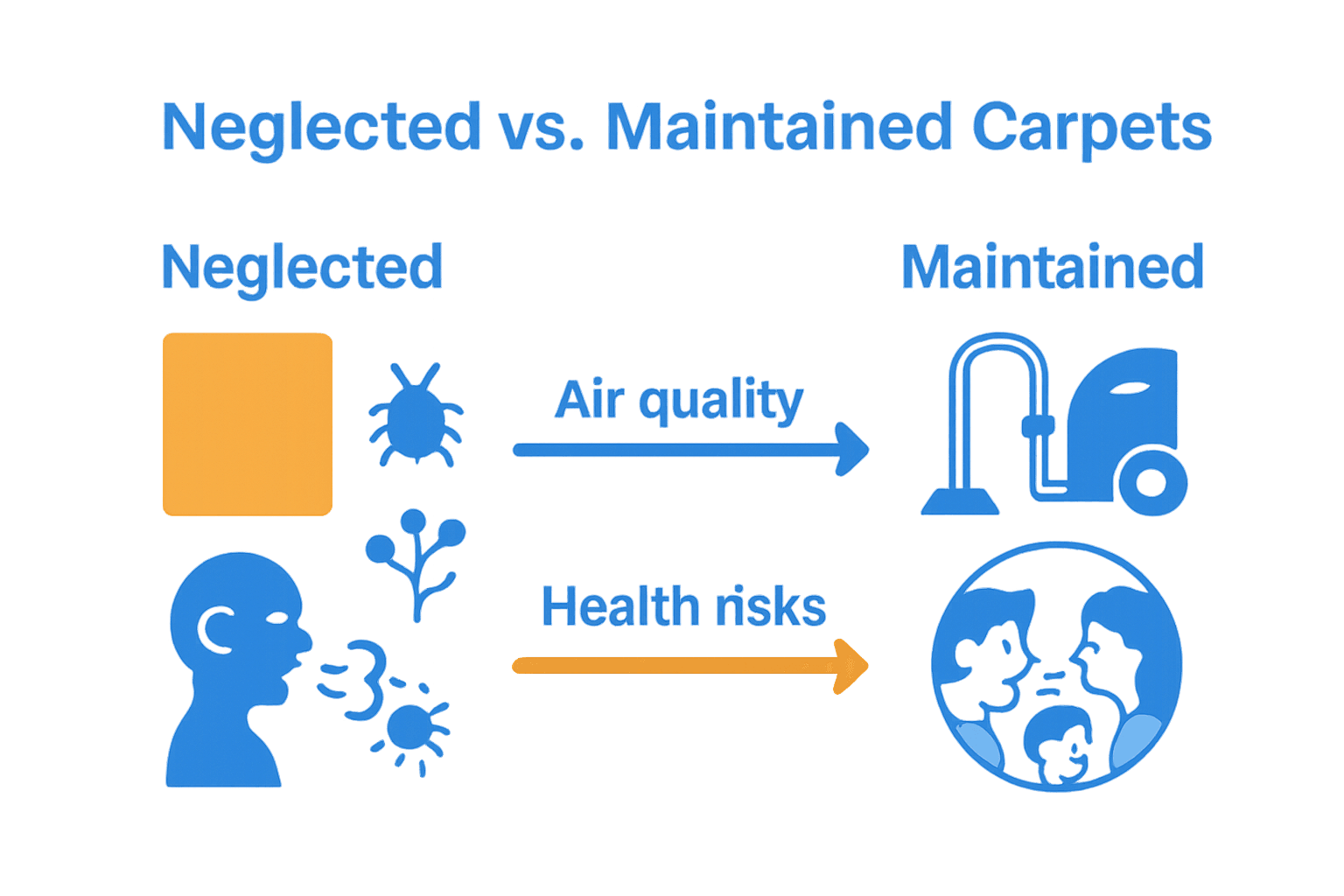
Effective Carpet Cleaning for Better Air
Maintaining pristine indoor air quality requires a strategic approach to carpet cleaning. carpetinstitute.com.au recommends regular vacuuming and professional cleaning as essential methods for reducing dust and allergen levels in indoor environments. The goal is transforming carpets from potential air quality challenges into effective environmental filters.
In the Yarra Valley region, from Lilydale to Mooroolbark, understanding precise carpet cleaning techniques becomes critical for respiratory health. Professional cleaning methods go beyond surface-level dirt removal, targeting microscopic pollutants embedded deep within carpet fibres. These techniques help eliminate dust mites, pet dander, pollen, and other airborne contaminants that can compromise indoor air quality.
Key strategies for effective carpet cleaning include:
- Using HEPA-filtered vacuum cleaners
- Implementing weekly thorough vacuuming
- Scheduling professional deep cleaning every 6-12 months
- Addressing spills and stains immediately
- Controlling indoor humidity levels
- Using eco-friendly cleaning solutions
For comprehensive insights into maintaining a healthier home environment, residents can explore our guide on professional carpet cleaning benefits, which offers detailed strategies for optimal carpet maintenance.
The intersection of carpet cleaning and air quality is complex. By adopting a holistic approach that combines regular maintenance, professional deep cleaning, and strategic environmental control, homeowners can significantly improve indoor air quality. This proactive methodology not only preserves carpet integrity but also creates healthier living spaces for families across the Yarra Valley.
Improve Your Home’s Air Quality with Professional Carpet Care
If you have been worried about the hidden allergens and pollutants lurking deep within your carpets that impact your family’s health, you are not alone. This guide highlights how carpets play an active role in indoor air quality by trapping dust mites, pet dander, and VOCs that can aggravate allergies and respiratory issues. The key to turning your carpets into a source of cleaner air is regular, thorough cleaning using effective methods like HEPA-filter vacuuming and professional deep steam cleaning.
At Yarra Valley Carpet Cleaning, we understand the challenges homeowners face in maintaining healthy living spaces across the Yarra Valley including Lilydale, Mooroolbark, and Croydon. We use advanced, eco-friendly solutions designed to remove embedded pollutants and restore your carpet’s ability to filter indoor air naturally. Don’t wait for the health risks to build up or the dust to become overwhelming. Explore our Uncategorized Archives to learn more about our specialised services. Act now to protect your family’s respiratory health and enjoy a fresher, cleaner home environment. Book your professional carpet cleaning today at Yarra Valley Carpet Cleaning and breathe easier tomorrow.
Frequently Asked Questions
How do carpets affect indoor air quality?
Carpets can improve indoor air quality by trapping airborne pollutants and allergens, which prevents them from becoming airborne. This filtration effect relies on proper maintenance and regular cleaning to ensure effectiveness.
What are the common pollutants found in carpets?
Common carpet pollutants include dust mites, pet dander, mould spores, skin cells, textile fibres, and volatile organic compounds (VOCs) from adhesives and manufacturing materials.
How often should I clean my carpets to maintain good air quality?
It is recommended to vacuum carpets regularly with a HEPA-filtered vacuum and schedule professional deep cleaning every 6-12 months to effectively reduce allergens and airborne pollutants.
What strategies can I use to reduce allergens in my carpets?
To reduce allergens, regularly vacuum with HEPA-equipped machines, maintain low indoor humidity, choose hypoallergenic carpet materials, and implement a routine cleaning schedule for your carpets.
Recommended
- Family-Friendly Carpet Cleaning Tips for Safe and Fresh Homes 2025 – Yarra Valley Carpet Cleaning
- Carpet Cleaning Frequency Guide for Yarra Valley 2025 – Yarra Valley Carpet Cleaning
- Deep Cleaning Carpets at Home: 2025 Guide for Yarra Valley – Yarra Valley Carpet Cleaning
- Carpet Cleaning Hotels: Expert Tips for Clean Spaces 2025 – Yarra Valley Carpet Cleaning
- 15 Essential 360 Home Air Quality Tips for Healthier Living – HVAC Service and Repair | Louisville, KY | Project Heating & Cooling